
Taken from the Woodwind forum where my friend and admin Pete contributed to this.
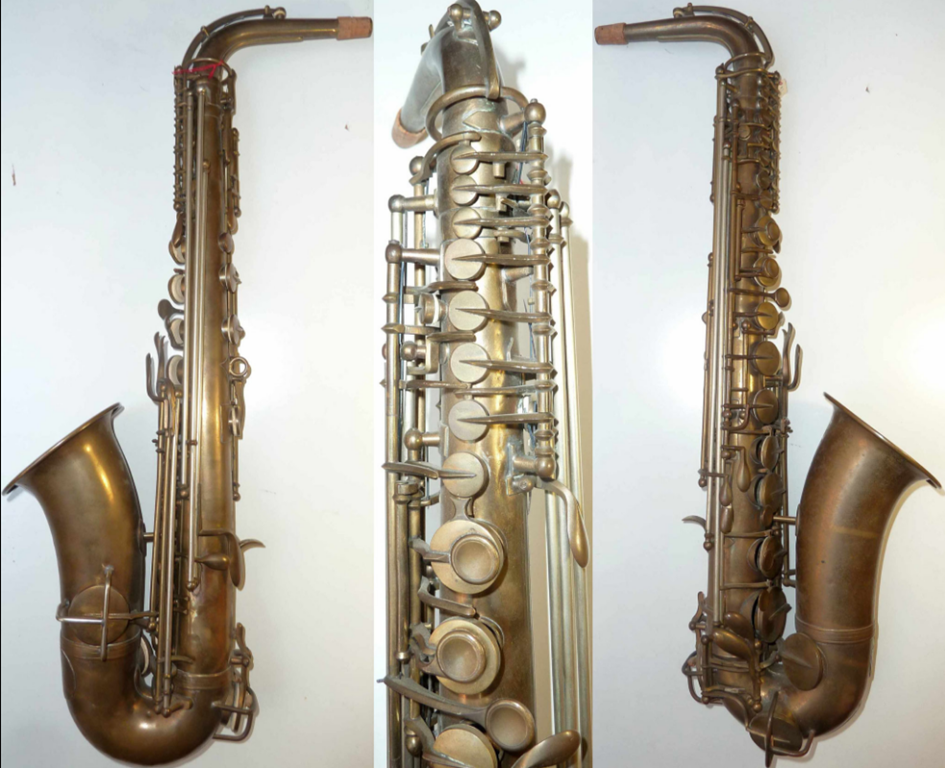
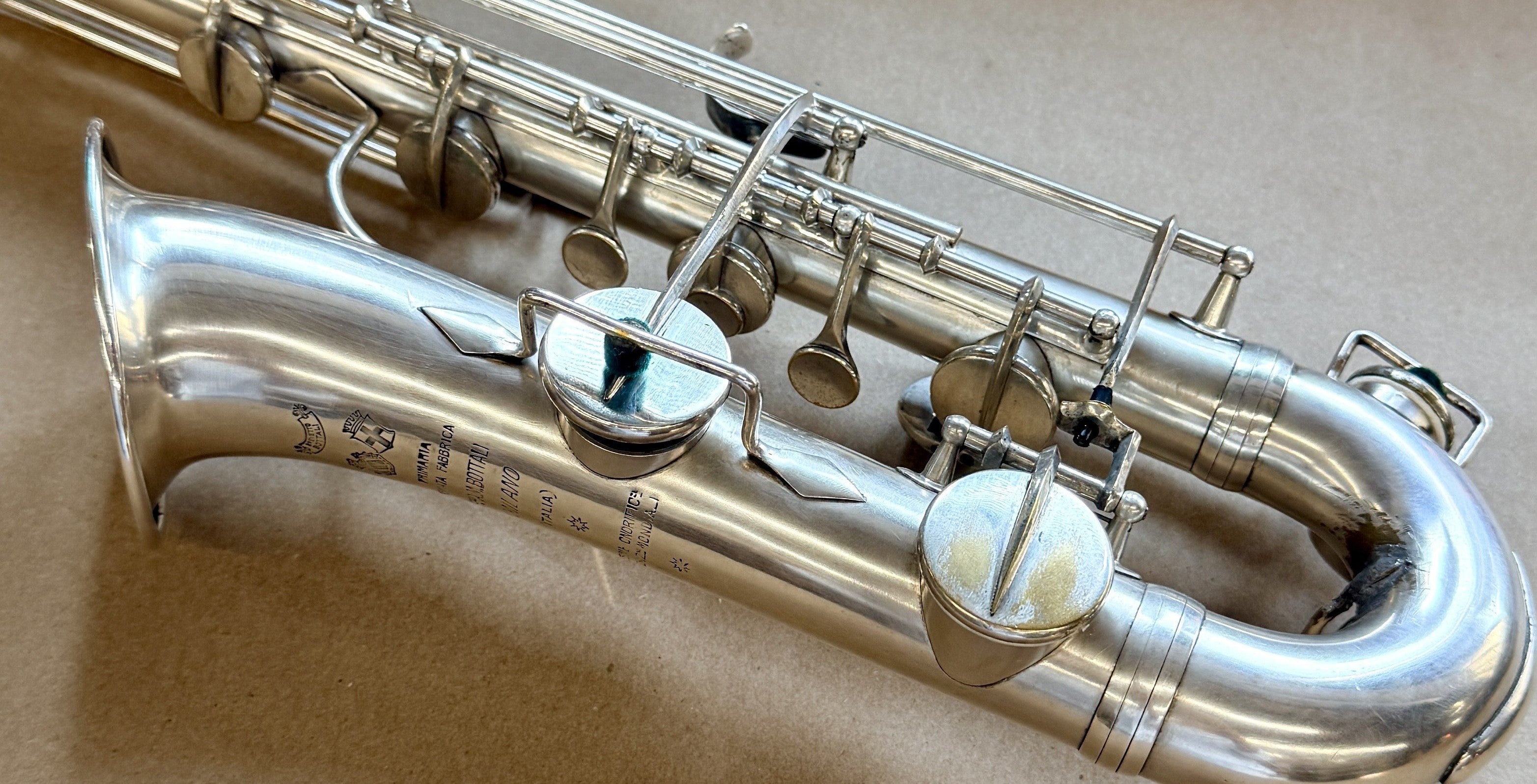
A few days ago, I came across a couple of saxophones that I had never seen or heard of before and they looked really, really interesting:
https://www.acimv.fr/nouvelles-news/instruments-volés-stolen-instruments/ (really big pics)’’

I had heard of the Romero System before, but only on clarinets. Then I looked back to see where I heard of them from. Hey, it’s Gandalfe’s website. However, the article was written by Terry Stibal (SOTSDO), a gentleman who was a clarinet Content Expert here until he passed away in 2015.
I thought the keywork was extremely interesting and that led me to undertake a trip surfin’ the Internet today. Here’s some stuff I found:
PICTURES
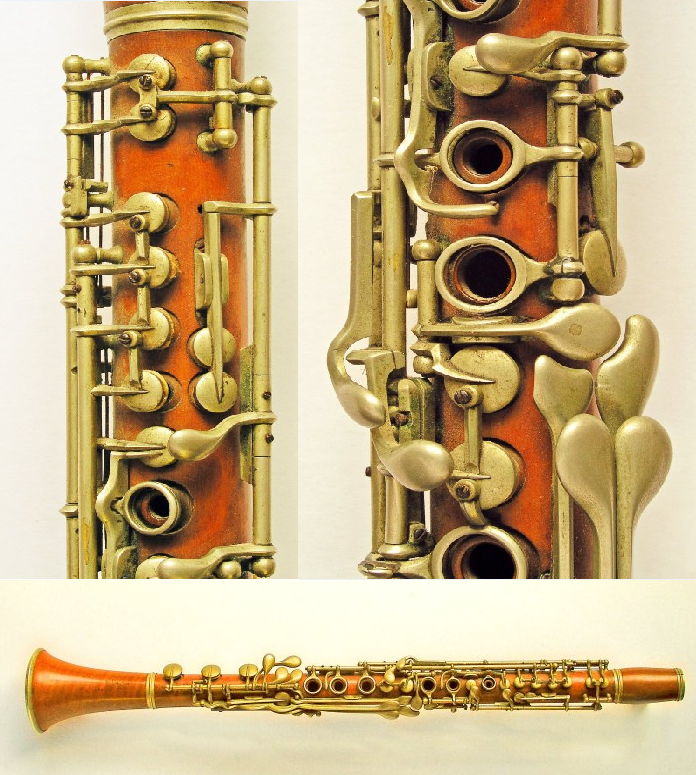
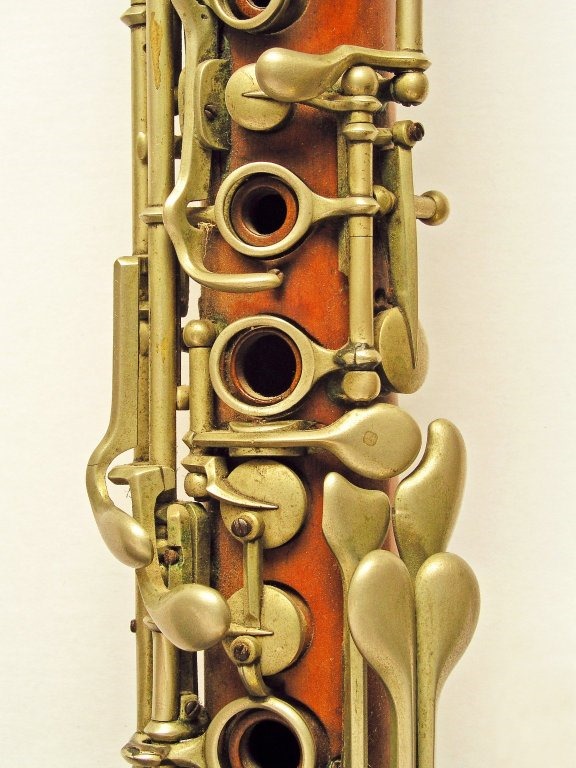
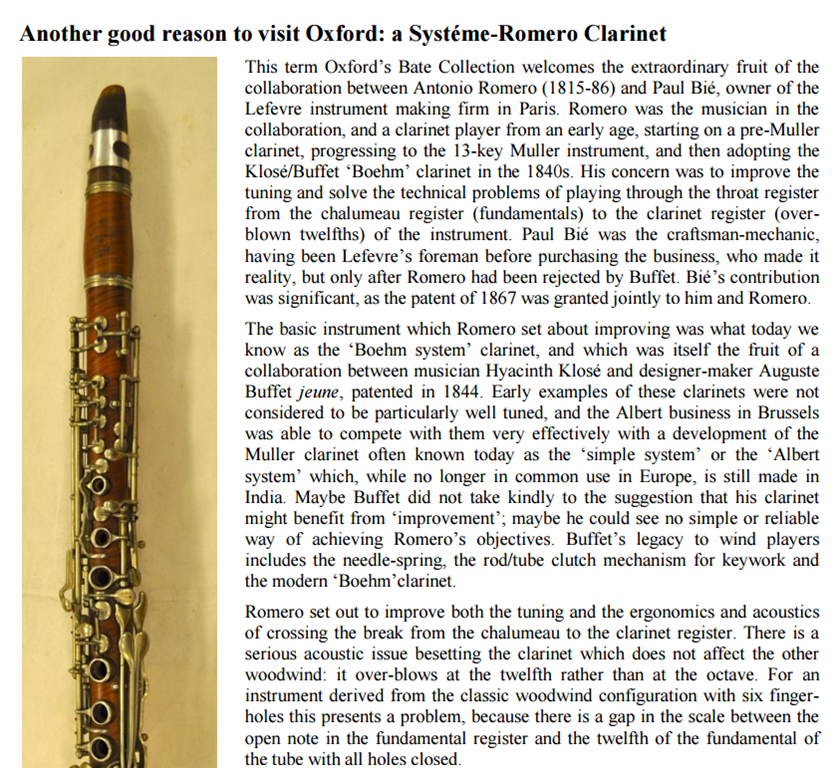
Full Romero System tan-stained boxwood clarinet from Lefèvre (Paul Bié, the co-author on the Romero patent, owned Lefèvre).
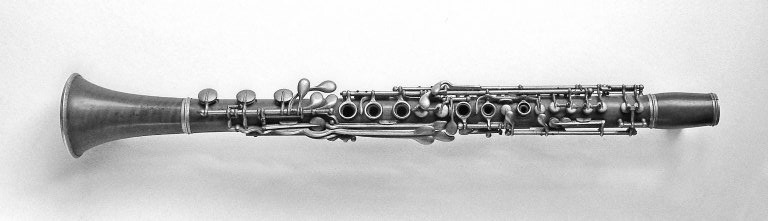
Full Romero System black-stained boxwood clarinet from Paul Bié. This example has a few extremely large zoomable pics.
Partial Romero System blackwood clarinet. This “half Romero” horn is somewhat similar to the #656 saxophone in the above link to www.acimv.fr.


VIDEO
There’s a well-produced video here. (Here’s a bit better version, on YouTube.) It’s in Spanish. There’s a subtitle track here. You can translate the subtitles with Google Translate, if you’d like. The video’s got some great shots of the clarinets — including the patent drawings and original cases — so you can easily enjoy it without the subtitles.
OTHER
There’s a fingering chart for the clarinet on page 186 of this Google Book, The Clarinet, by Eric Hoeprich. There’s a nice bit of exposition about what the design was supposed to do.
There’s a PDF article here, from the Galpin Society (see pages 4 and 5). The pic is of the tan boxwood horn that I mentioned above.

Here’s a PDF of the exhibition of Antonio Romero at the Real Conservatorio Superior de Musica de Madrid. It’s in Spanish. There’s a close up of the tan boxwood horn in the flyer.
I’m relatively sure that there are only four or five remaining Romero System clarinets.
As far as the saxophones go, I believe the two listed on www.acimv.fr are the only examples, as I could not find any other references to them.
Pete Hales, aka SaxPics, Admin for the Woodwind Forum.

Share:
Favorite Media Picks for Musicians in 2016
Keilwerth Toneking 3000 Jazzophone
1 comment
These horns are such gorgeous works of machinery. I’d love to try both the sax and clarinet, but I don’t think I’d like to own either, unless I really hated my repair tech :D.