
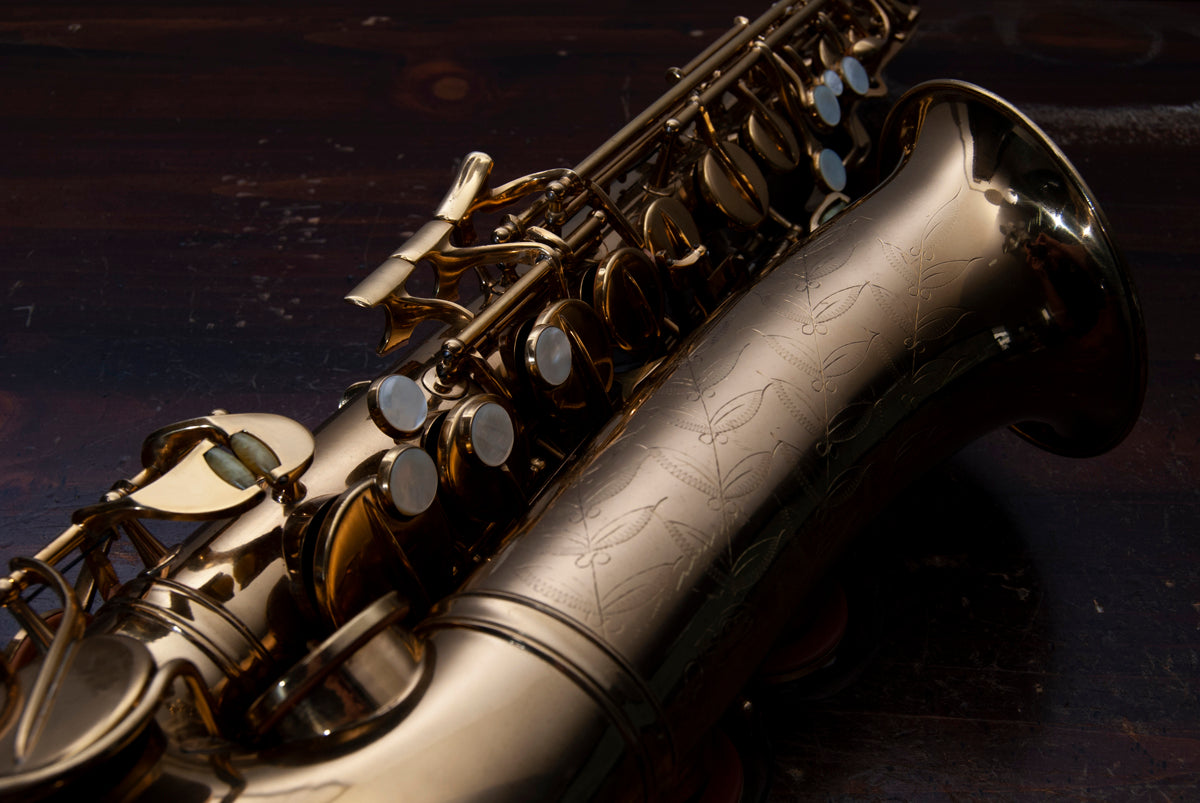
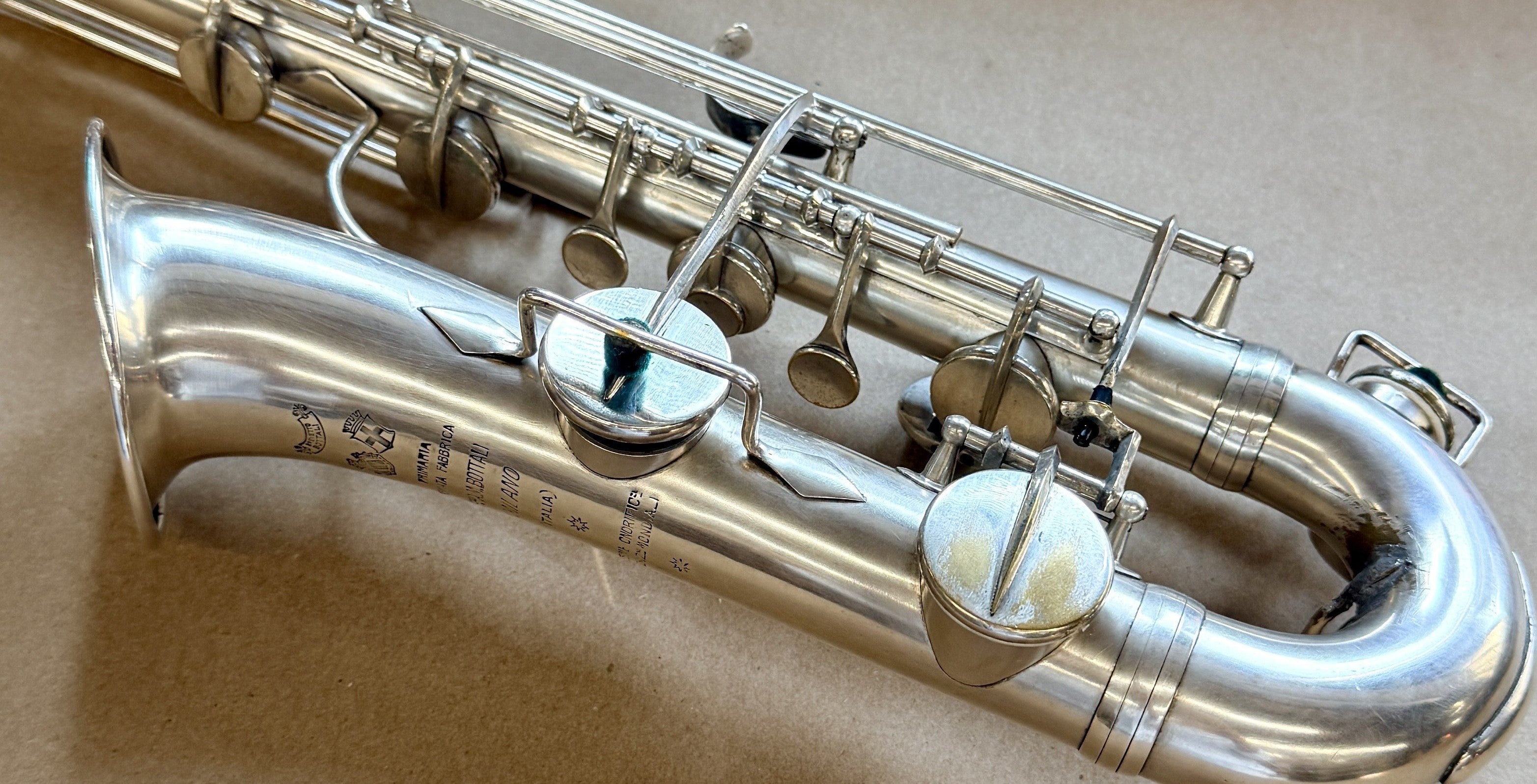
Recently, I had a chance to do an overhaul on a Conn 28M. Conn is such an interesting company to me, particularly in how they designed their saxophones. Each new model would always take traits from those that came before, while simultaneously making huge additions. In other words: borrowing what worked, tweaking what could have been better, and always introducing something new and massive. This is in essence nothing out of the ordinary for saxophones of this era, but it always seemed like Conn pushed the envelope into further and further extremes with the kinds of mechanics they would develop, and the 28M is certainly no exception.


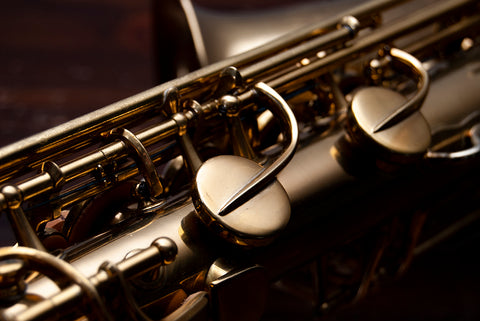
Being Conn's last great vintage horn, the 28M is very much a culmination of every Conn saxophone that came before, but modernized in such a way that it feels more ergonomic and streamlined than any of its predecessors. For example, side F# has been moved to the opposite side of the body; this doesn't seem like it would be a huge change, but it drastically alters the pivot point of that key, which gives it an incredibly natural feeling range of motion.


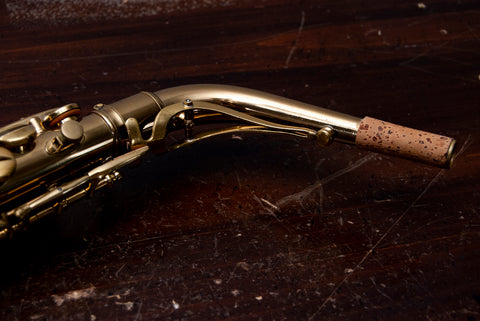
In fact, the entirety of the saxophone is riddled with interesting little mechanics that result in an extremely light, and smooth playing instrument. This was the first 28M I had ever seen, and as a fan of Conn's vintage horns who has spent close to ten years working on everything from Chu's to 26M's, it was fascinating to see what the company was able to accomplish before ultimately shifting focus in the 60s.
Hope you enjoy the photos of this beauty!
-Carlo Sbisa




Share:
What’s on My Bench? A Spectacular Adams A1 Trumpet
What’s on My Bench? A 1915 King Master Model Cornet
2 comments
I´ve got a 6M, a 26M and a 28M….I love them all. The 28 has the best ergonomic feeling. The sound has less character than the 6M and the 26M, but better than everything else you can buy today
I play a 1924 New Wonder and love everything about it except the palm keys. Beautiful sound and intonation.