call

Euphoniums & Baritone Horns at The Mighty Quinn Brass and Winds

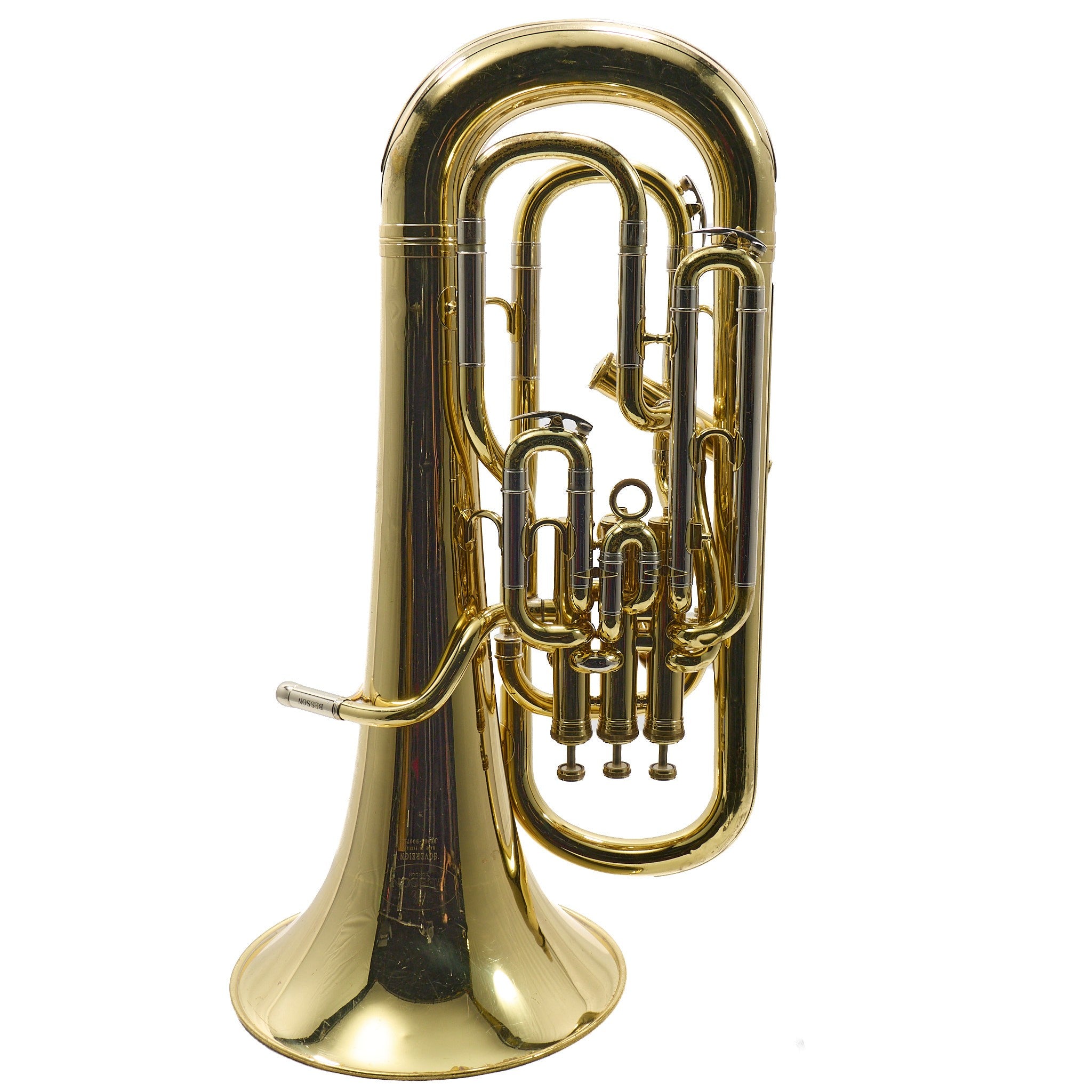
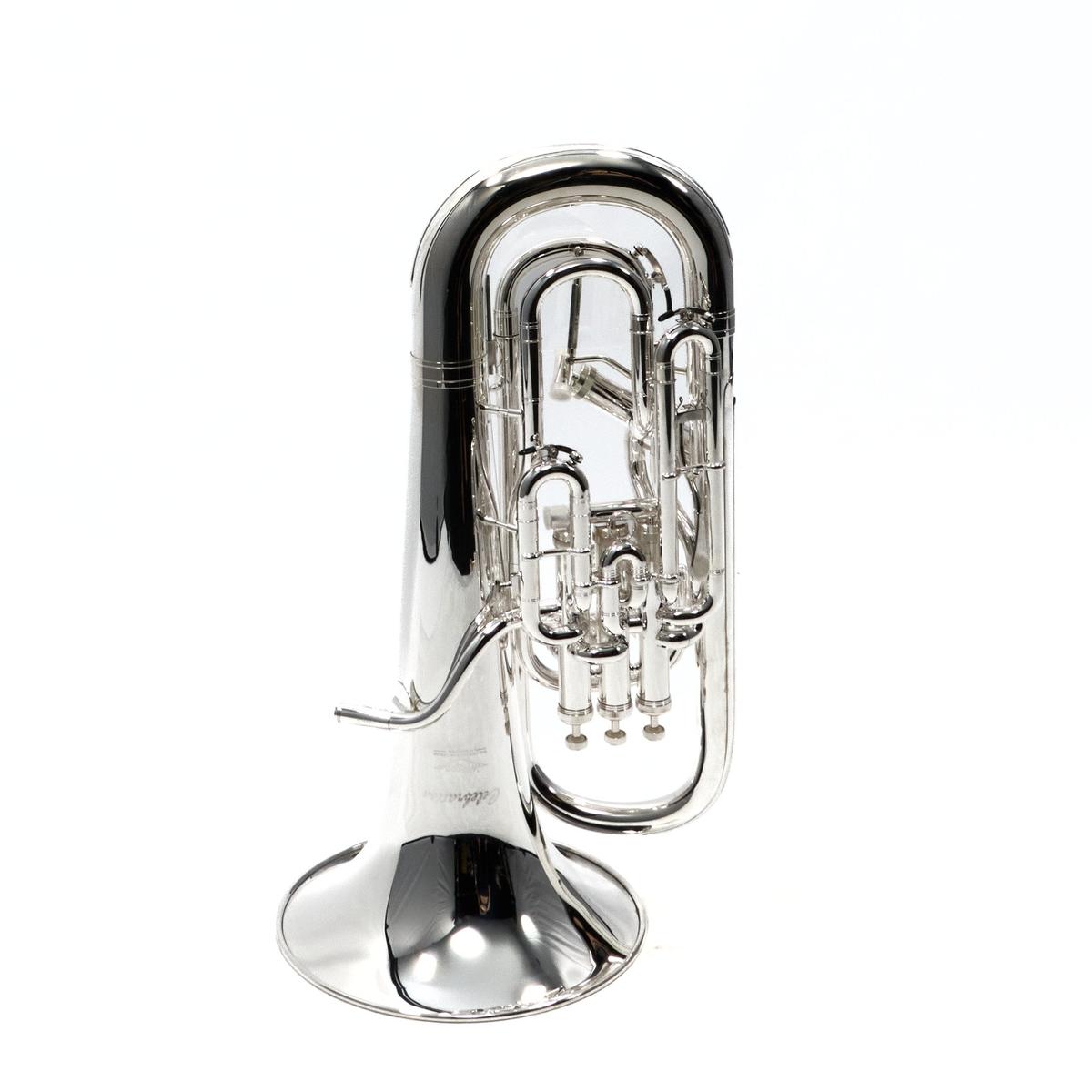
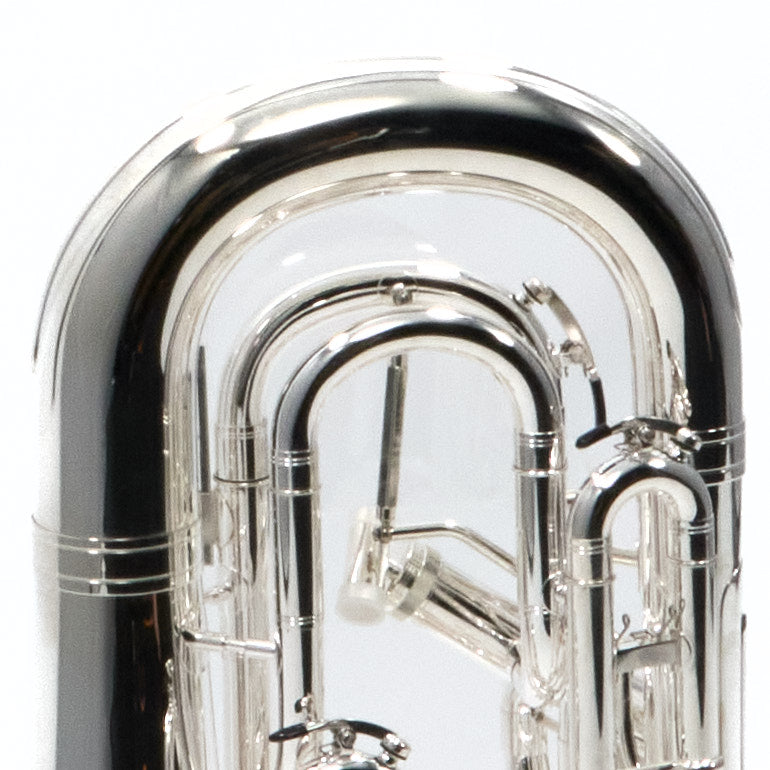
Explore premium euphoniums and baritone horns for sale at The Mighty Quinn Brass and Winds, featuring instruments designed for rich low-brass tone, smooth response, and reliable intonation. Our selection includes student, intermediate, and professional models in lacquer and silver plate, with 3-valve and 4-valve configurations, compensating systems, and precision-crafted pistons or rotary valves for enhanced range and control. Whether you’re performing in concert band, brass band, orchestra, or solo settings, our euphoniums deliver warm, singing projection while baritone horns provide focused clarity and agility. Each instrument is professionally inspected and adjusted to ensure dependable playability from the first rehearsal to the concert stage. Shop euphoniums and baritone horns online with expert guidance, secure checkout, and fast shipping from trusted brass specialists at The Mighty Quinn Brass and Winds.

Browse new, refurbished, used & vintage euphoniums and baritone horns at The Mighty Quinn Brass and Winds from top brands like XO, Willson, Shires, Eastman, Yamaha & more. Shop now to find the perfect low brass instrument to suit your playing style and budget.

Find it. Play it. Love it. ♪♫

FAQs

What’s the difference between a euphonium and a baritone horn?

Although they look similar, the euphonium has a more conical bore, producing a warmer, darker, and broader tone. The baritone horn has a slightly more cylindrical bore, resulting in a brighter, more focused sound. Euphoniums are common in wind ensembles and brass bands, while baritones are often used in school bands and certain marching settings.

What does “compensating” mean on a euphonium?

A compensating euphonium includes additional tubing that automatically corrects intonation when multiple valves are pressed together, improving pitch accuracy in the low register.

Are euphoniums and baritones pitched the same?

Most are pitched in B♭. In concert band settings, music is often written in bass clef at concert pitch, while in British brass bands, parts may be written in treble clef transposed.

What’s the difference between 3-valve and 4-valve models?

Three-valve instruments are common for beginners. A fourth valve extends the low range and improves intonation in advanced repertoire.

How do materials affect the sound?

Yellow brass produces a clear, projecting tone, while gold or rose brass (with higher copper content) tends to create a warmer, richer sound.

How does the finish affect the sound?

Plating on low brass horns—most commonly silver or gold over brass—has a subtle but noticeable effect on response and tonal color. Silver plate tends to produce a slightly brighter, more immediate sound with clear articulation and strong projection, which is why it’s popular in band and solo settings. Gold plate, typically applied over silver, can feel a bit softer under the air and may contribute to a warmer, smoother tonal edge. Lacquered finishes often yield a slightly darker, more mellow character compared to silver plate. That said, the instrument’s bore design, bell thickness, and the player’s air support and embouchure have a far greater impact on sound than plating alone; finish mainly refines the feel and nuance rather than fundamentally changing the voice of the instrument.