




call

Trumpet, Cornet & Flugelhorn Accessories at The Mighty Quinn Brass and Winds

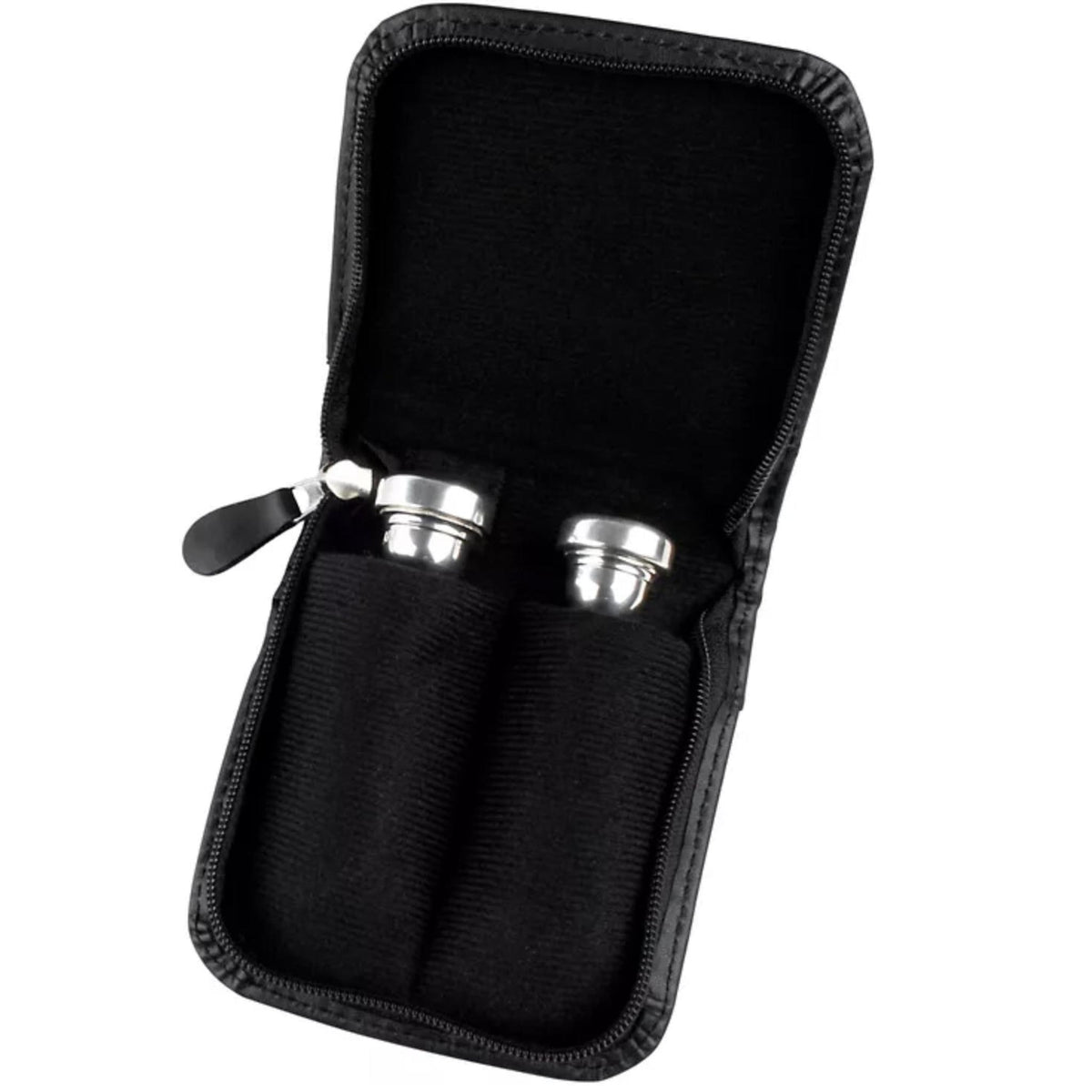
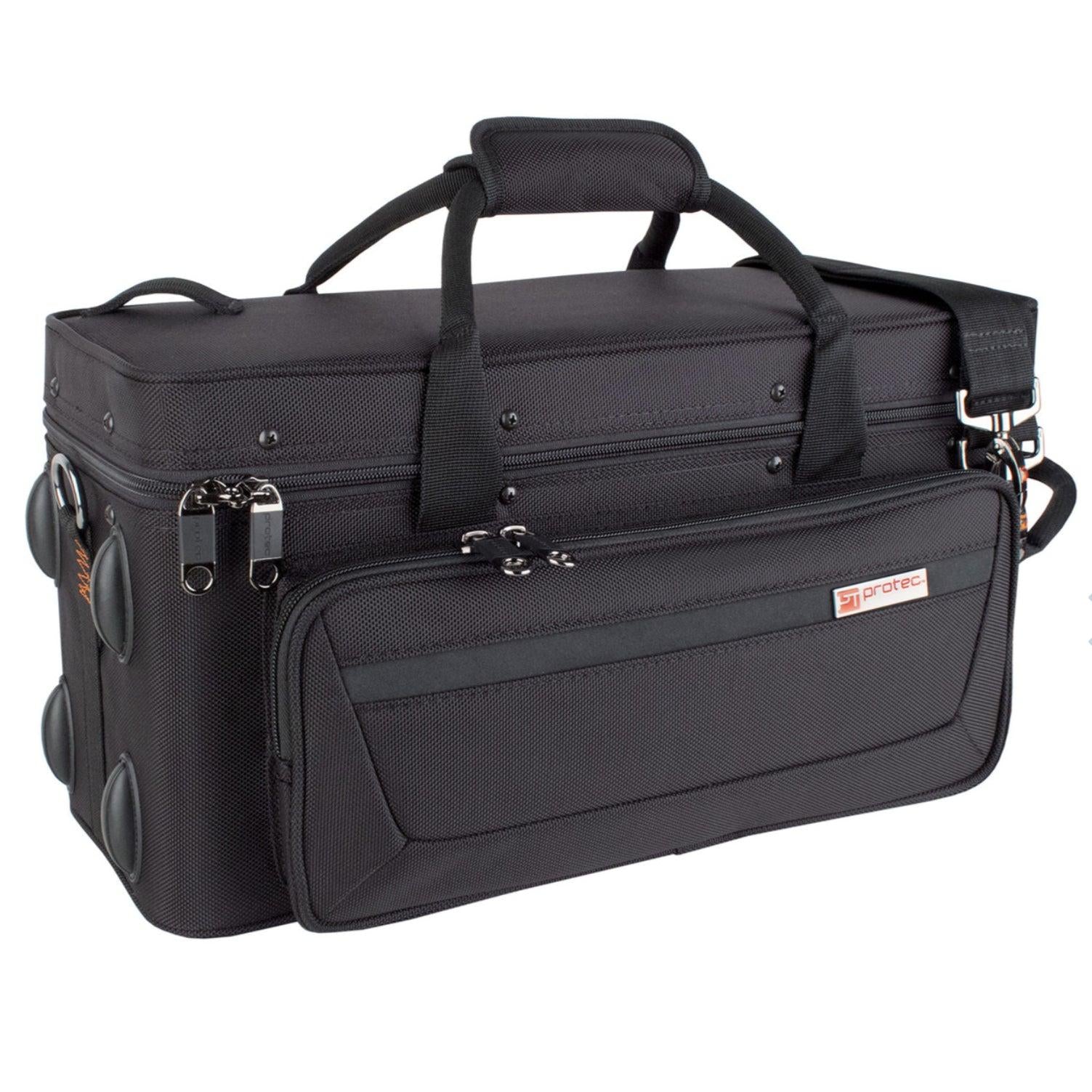
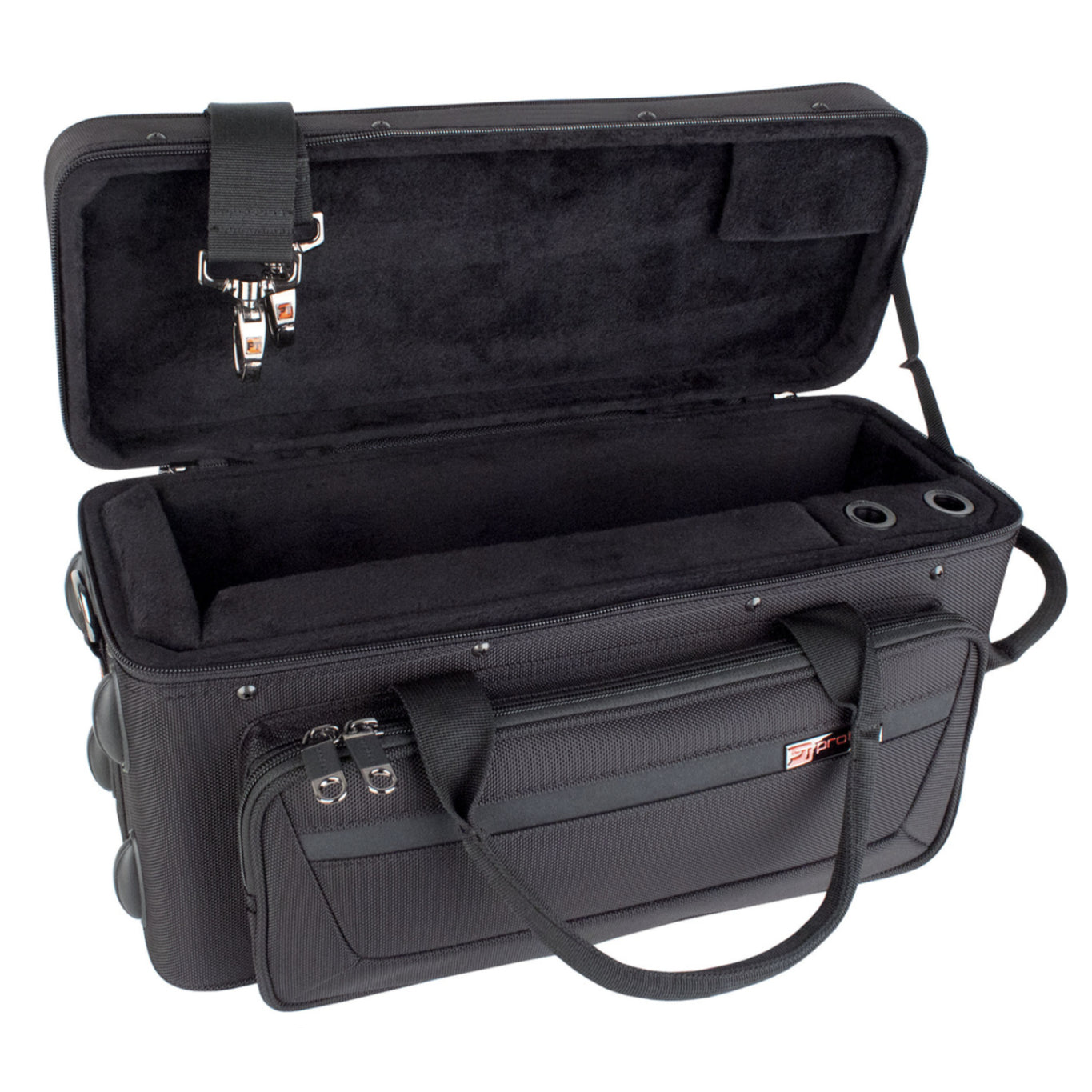
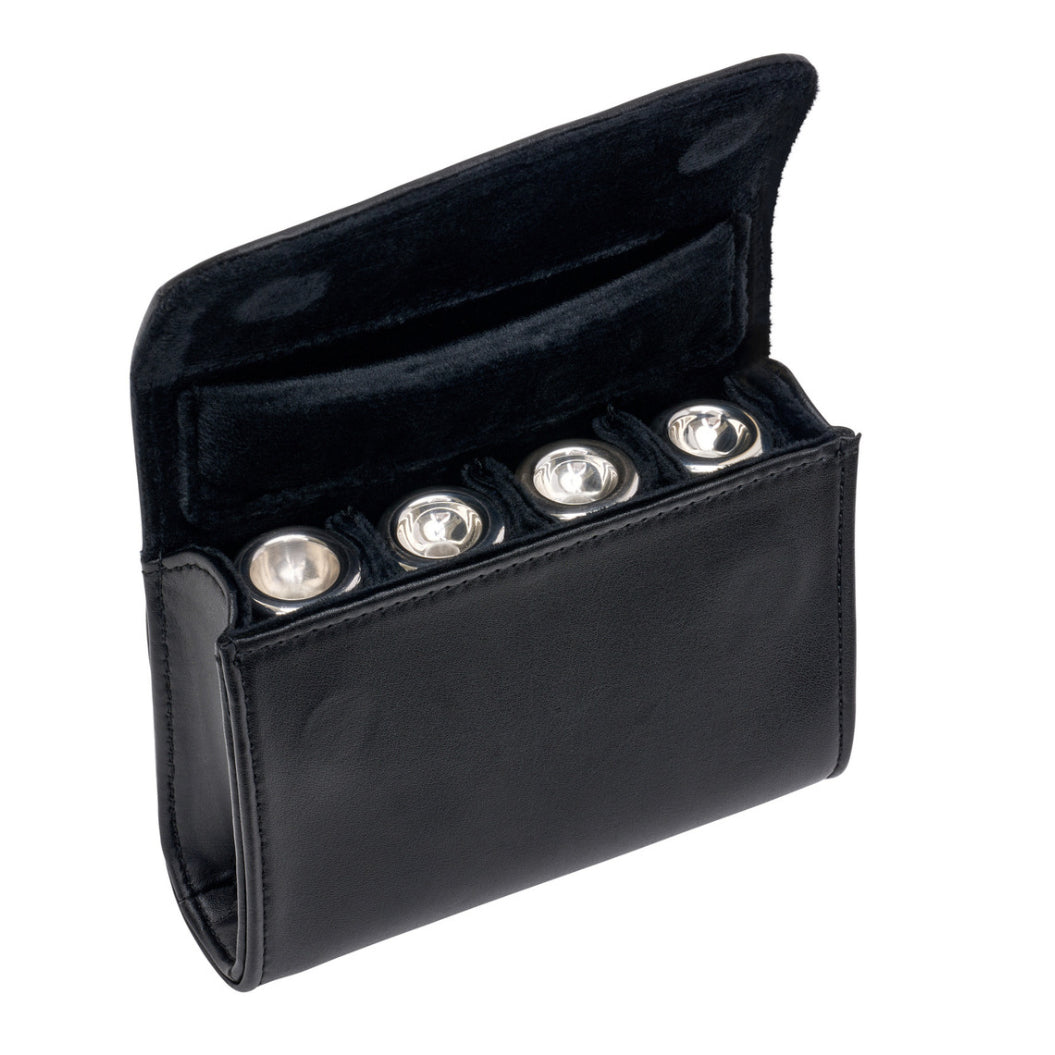
Trumpet, cornet, and flugelhorn accessories help players maintain their instruments, protect them during travel, and refine their sound. At Brass & Winds, you’ll find a wide selection of brass accessories including mouthpieces, mutes, valve oil, slide grease, cleaning kits, cases, and gig bags designed for trumpet, cornet, and flugelhorn. These essential tools help keep your instrument performing at its best while supporting proper maintenance and reliable response. Whether you’re a student, advancing musician, or professional brass player, the right accessories make practice, rehearsal, and performance more comfortable and consistent. Find the perfect mute, mouthpiece, case, stand, or care product to personalize your playing experience at The Mighty Quinn Brass and Winds.

Find it. Play it. Love it. ♪♫

FAQs

What accessories do I need for my trumpet?

Essential trumpet accessories include a mouthpiece, valve oil, slide grease, and a cleaning brush or snake. Many players also use mutes, a polishing cloth, and a protective case for safe transport.

Why is valve oil important?

Valve oil keeps the valves moving smoothly and prevents wear inside the valve casing. Regular oiling ensures quick, reliable valve action and helps protect the instrument’s internal surfaces.

What does slide grease do?

Slide grease lubricates the tuning slide and valve slides so they move easily when adjusting pitch. It also helps create a proper seal between the slide tubing.

What types of mutes are used with trumpet?

Common trumpet mutes include straight mutes, cup mutes, harmon mutes, and practice mutes. Each mute changes the instrument’s tone and projection for different musical styles.

How often should I clean my trumpet?

Regular maintenance includes wiping moisture from slides and valves after playing. A full cleaning with warm water and brushes is typically recommended every few months or as needed.

Do mouthpieces affect sound?

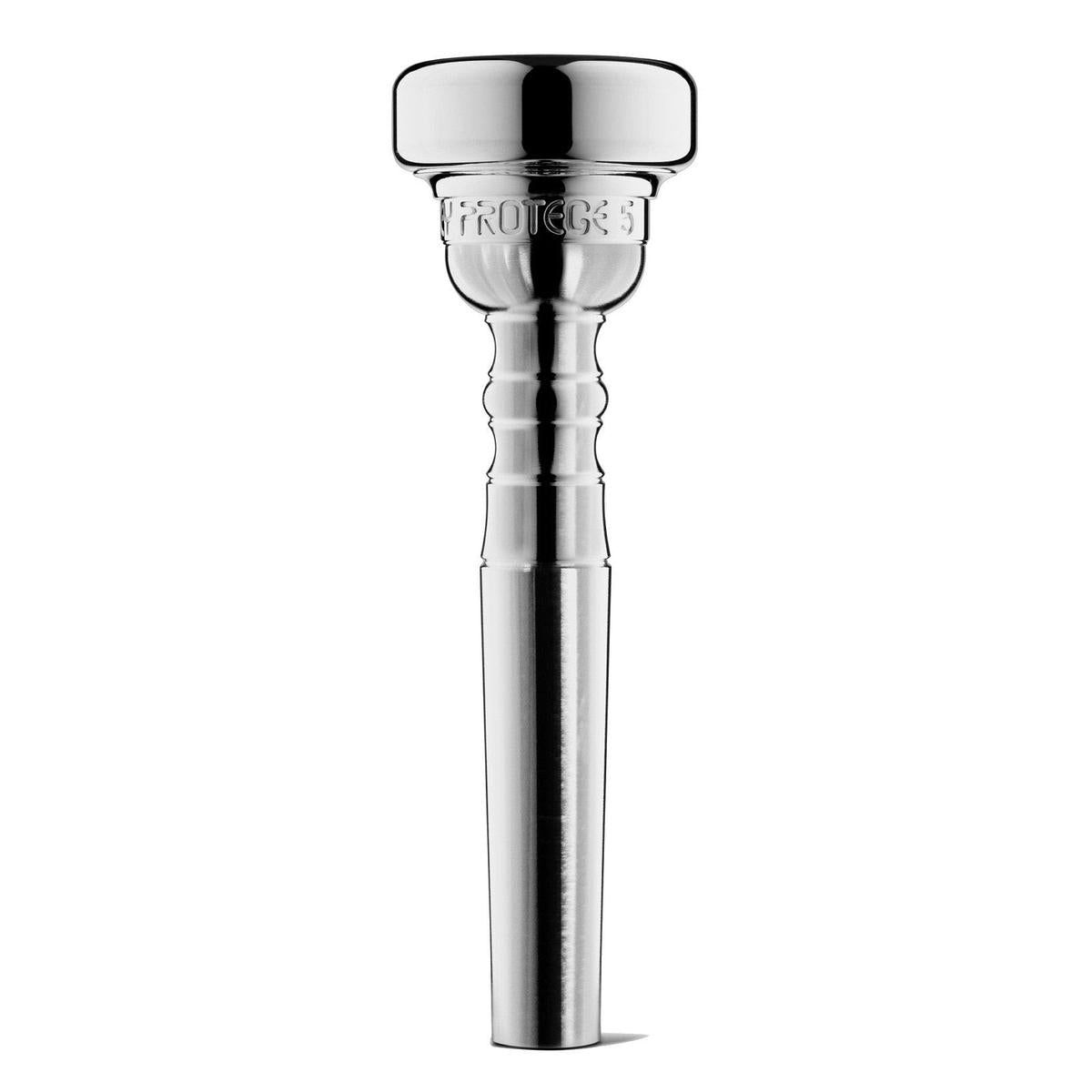
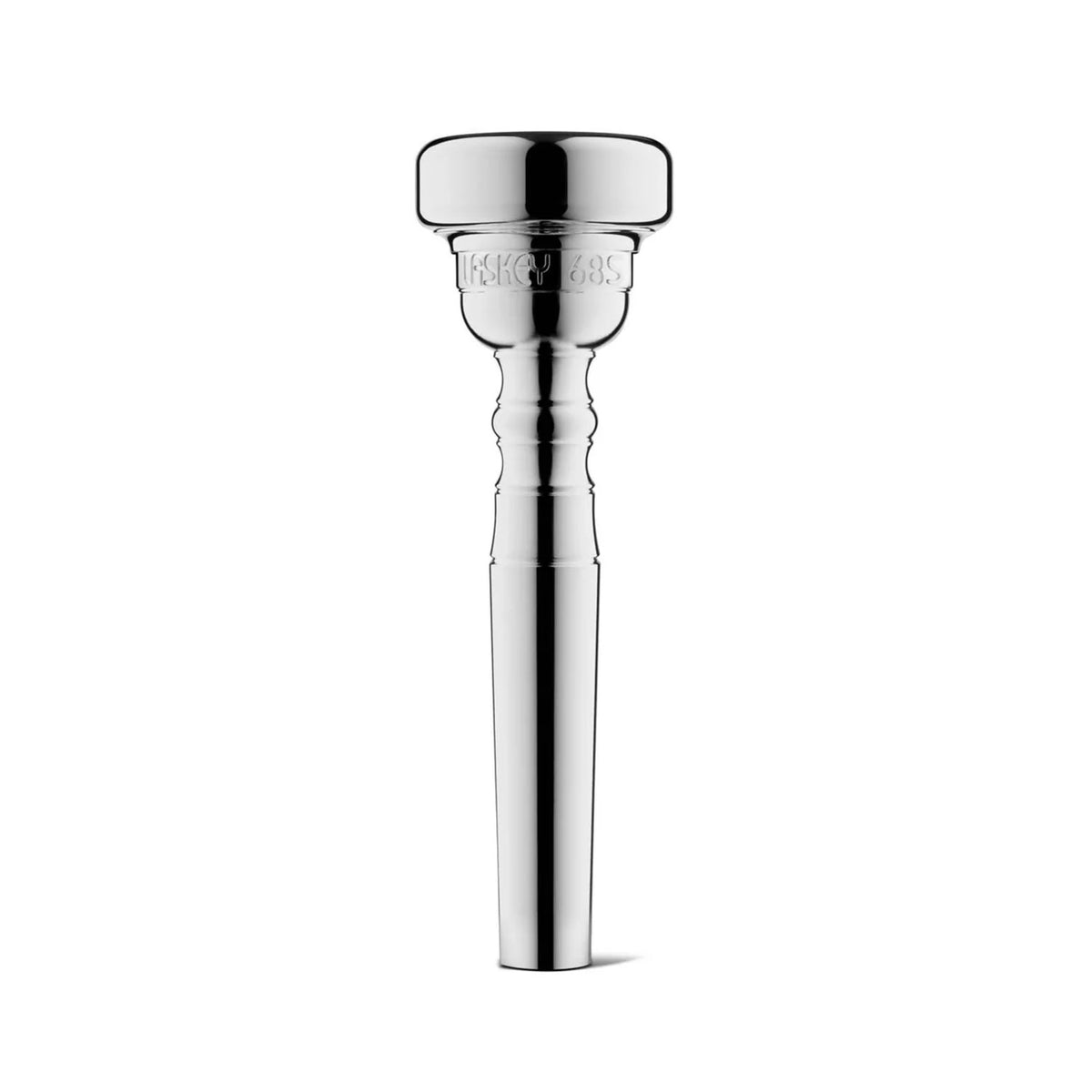
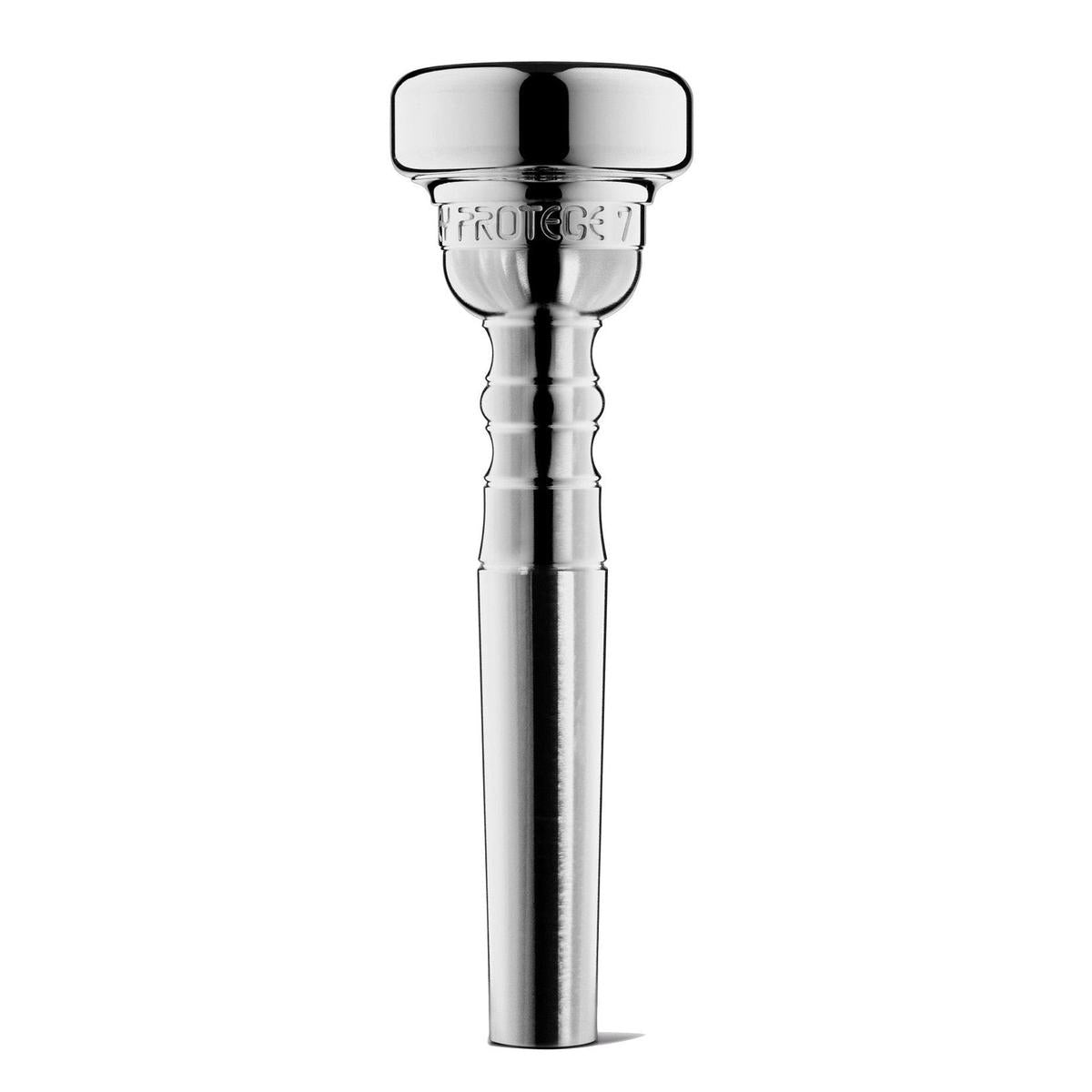
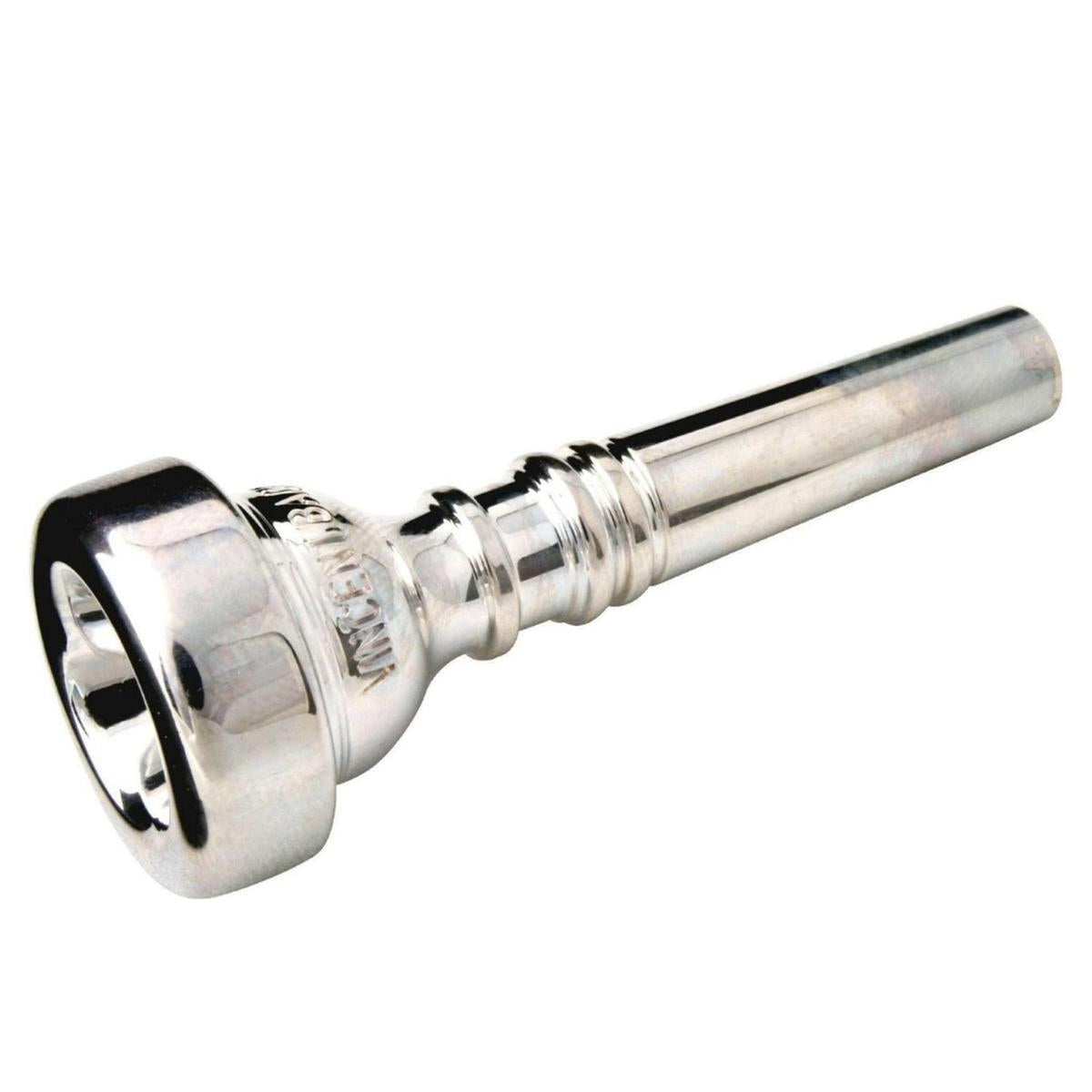
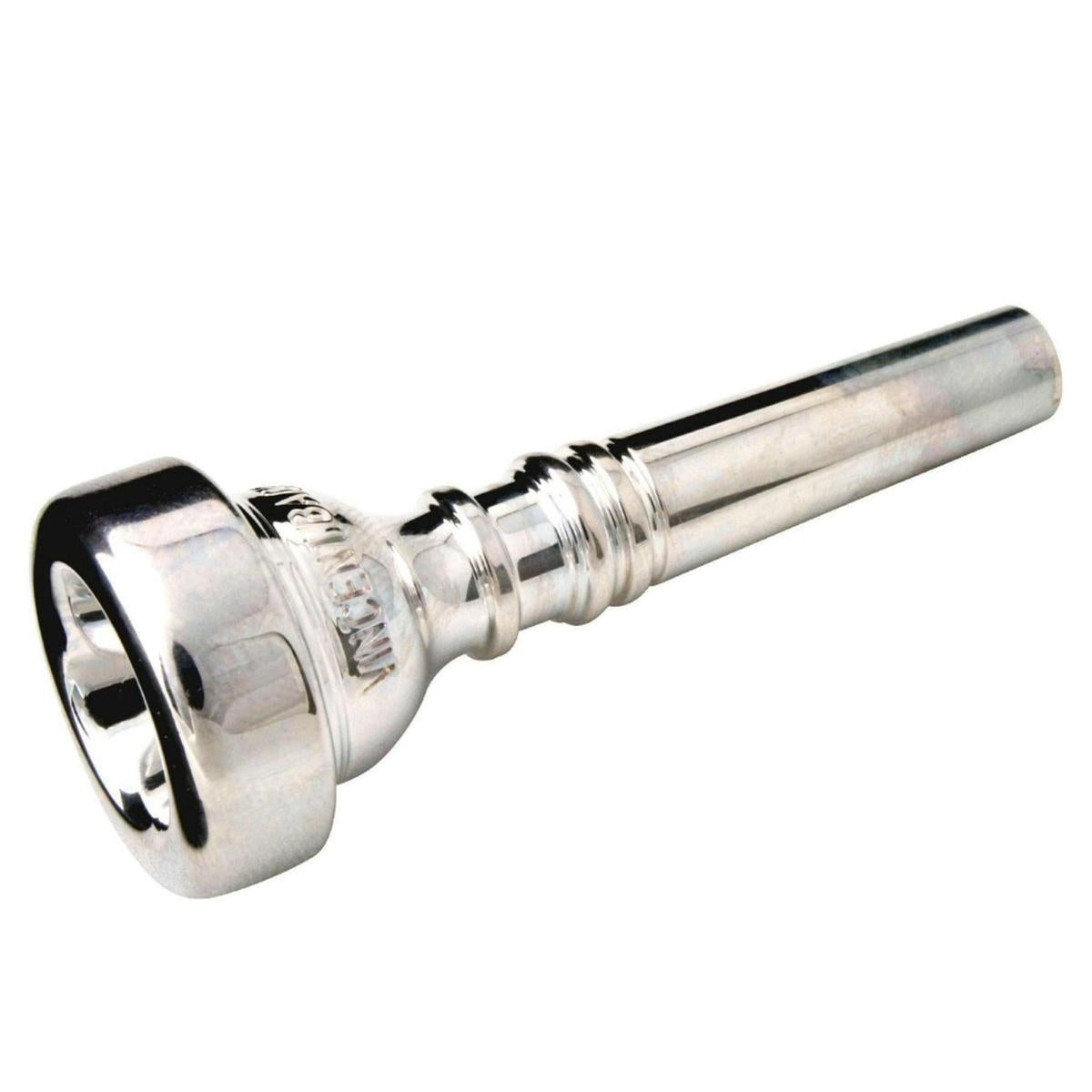
Yes. Mouthpiece design—including cup depth, rim shape, and throat size—can significantly influence tone, response, range, and endurance. Deeper cups generally produce a darker, fuller tone suited for orchestral playing, while shallower cups can create a brighter sound and make high notes easier, which is often preferred in lead or commercial styles. Rim shape affects comfort and endurance, while the throat and backbore help control airflow and projection. Because every player’s embouchure and musical goals are different, selecting the right mouthpiece is an important part of developing a comfortable setup and achieving the desired sound.

What is a trumpet stand for?

A trumpet stand allows the instrument to rest safely during rehearsals or performances without placing it on a chair or music stand.

Are practice mutes useful?

Practice mutes reduce volume significantly, allowing players to practice in quiet environments such as apartments or hotel rooms.