call

Tubas & Sousaphones at The Mighty Quinn Brass and Winds

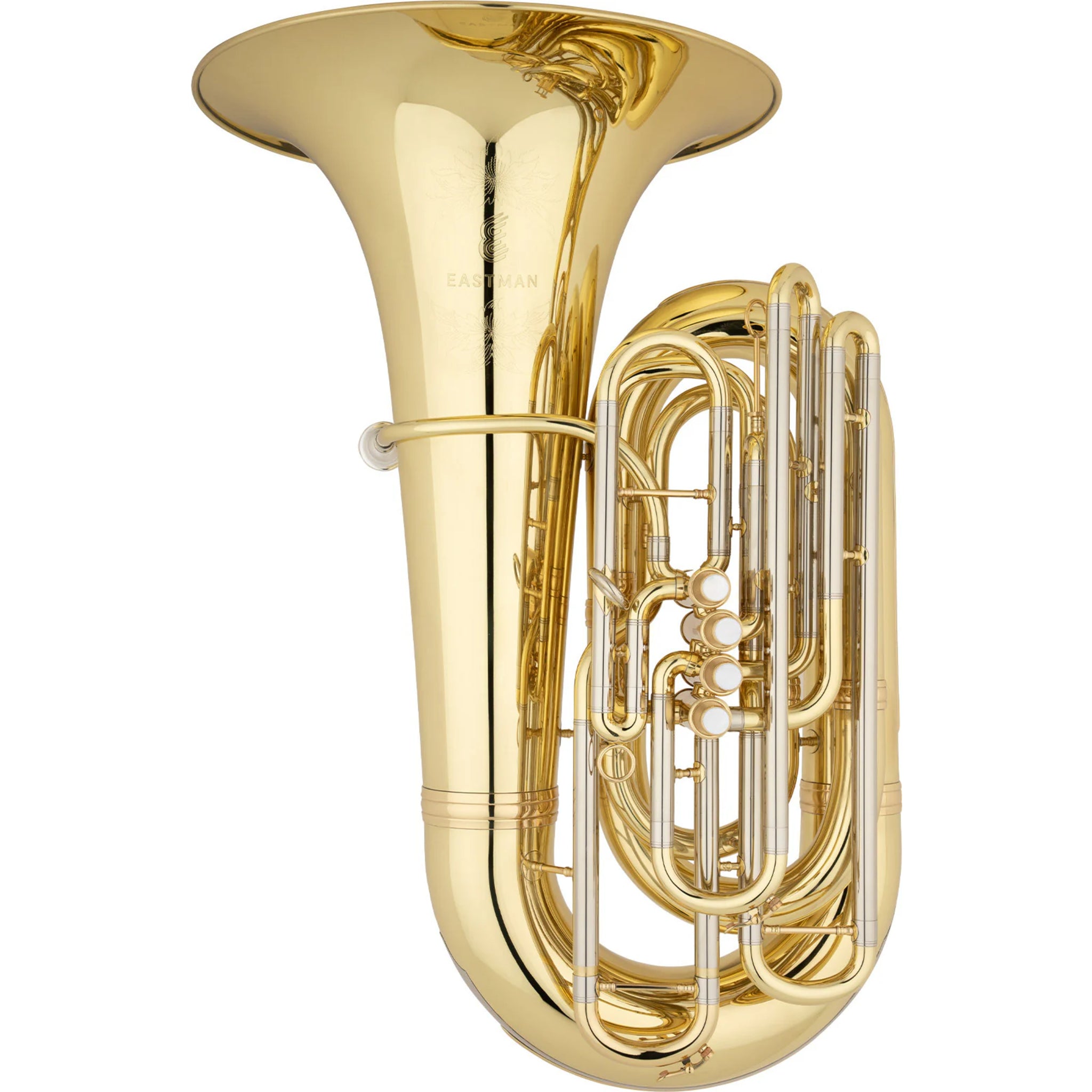
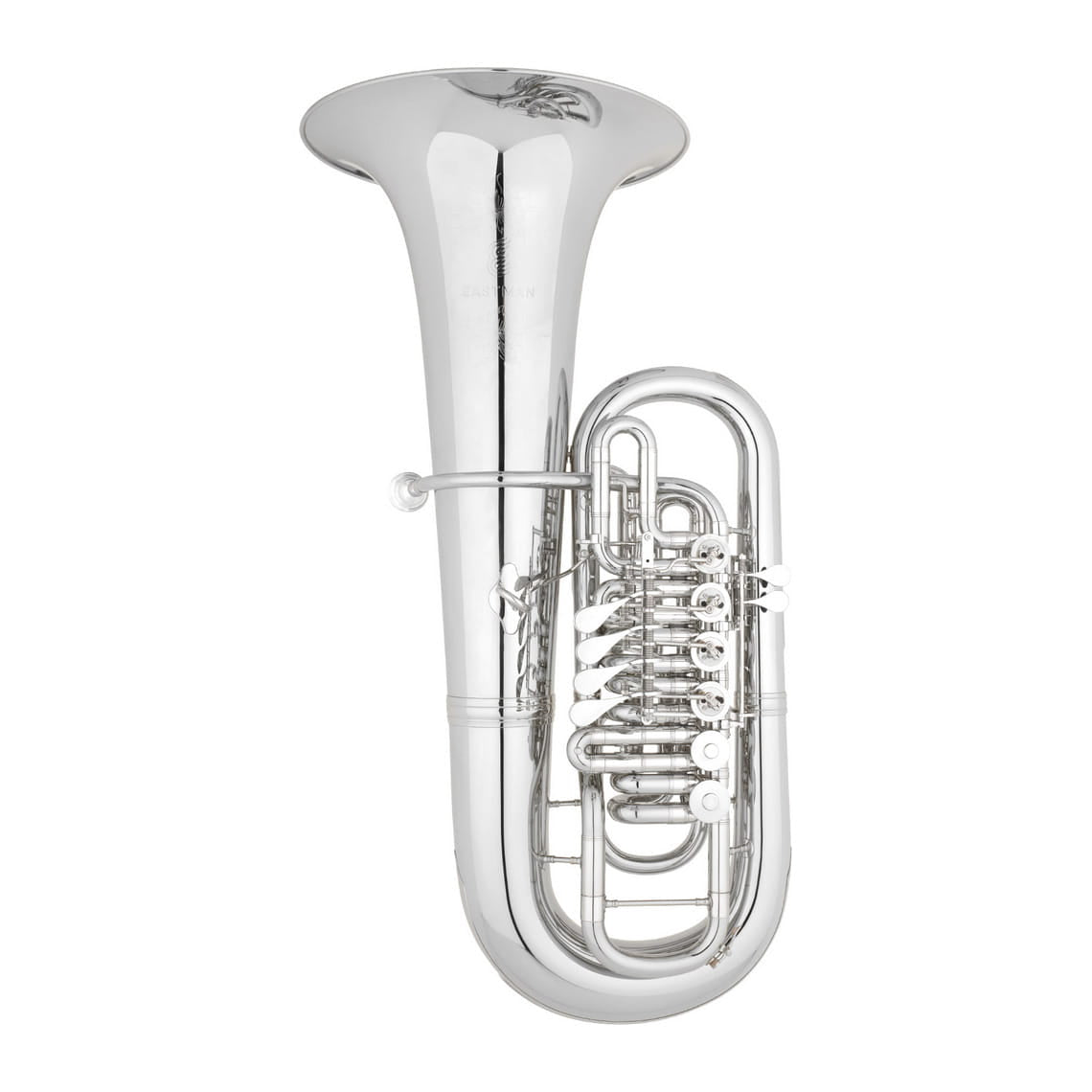
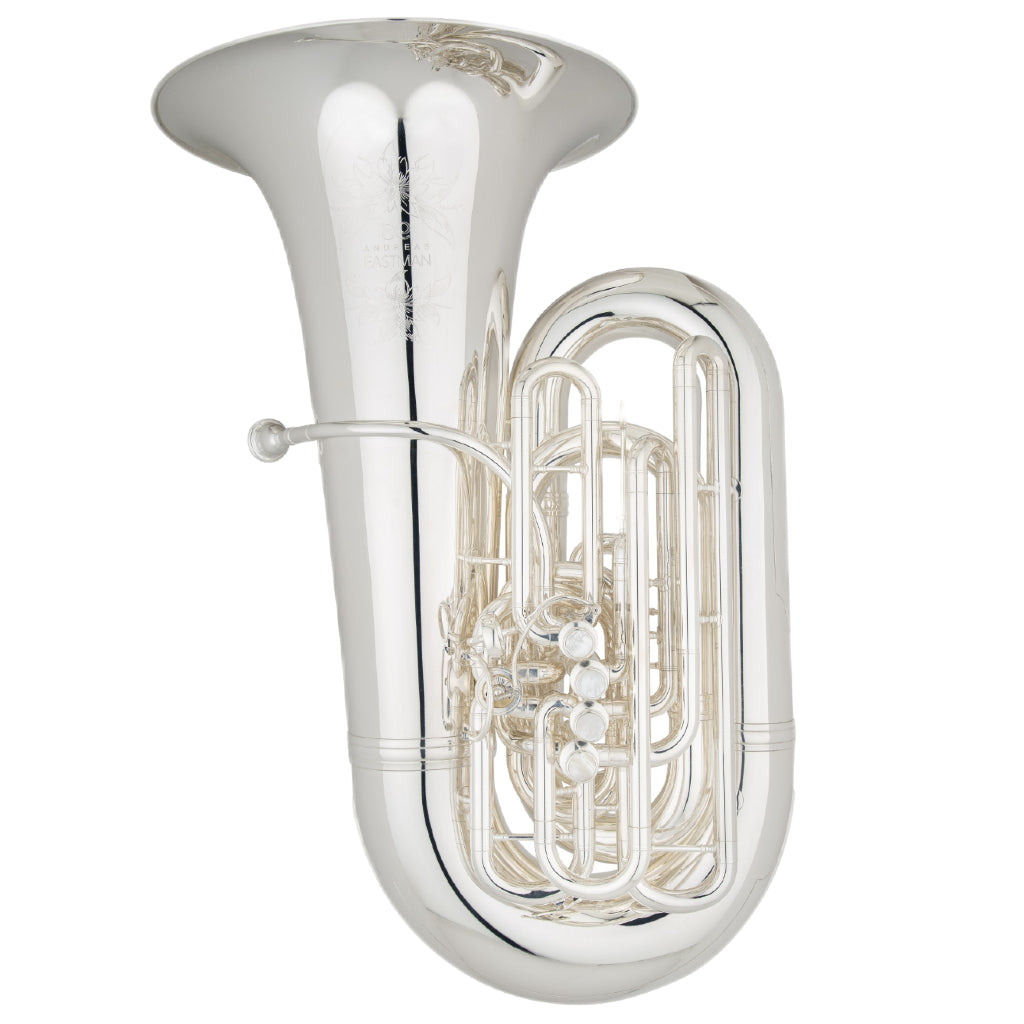
Shop premium tubas and sousaphones for sale at The Mighty Quinn Brass and Winds, where powerful low-brass performance meets expert craftsmanship. Our collection includes student, intermediate, and professional tubas in BBb, CC, Eb, and F, along with durable sousaphones built for marching band and field performance. Featuring precision piston or rotary valves, balanced bore designs, and responsive bell construction, these instruments deliver deep, resonant tone, stable intonation, and commanding projection in concert band, orchestra, brass ensemble, and outdoor settings. Whether you’re anchoring a symphony’s foundation or leading a marching section, our tubas and sousaphones provide the reliability and tonal breadth serious players expect. Each instrument is professionally inspected and adjusted before shipping to ensure confident playability. Shop with secure checkout and fast shipping from trusted low-brass specialists at The Mighty Quinn Brass and Winds.

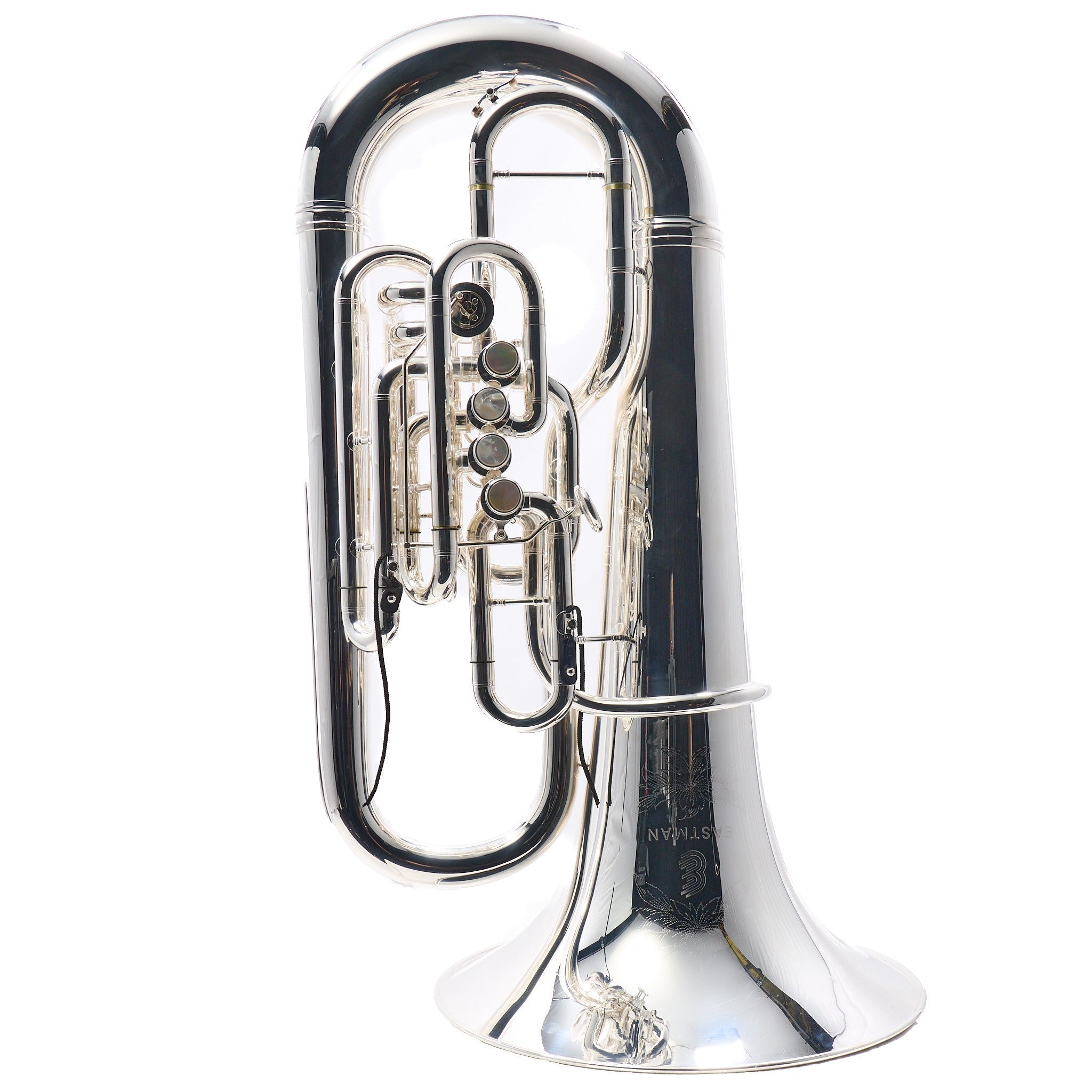
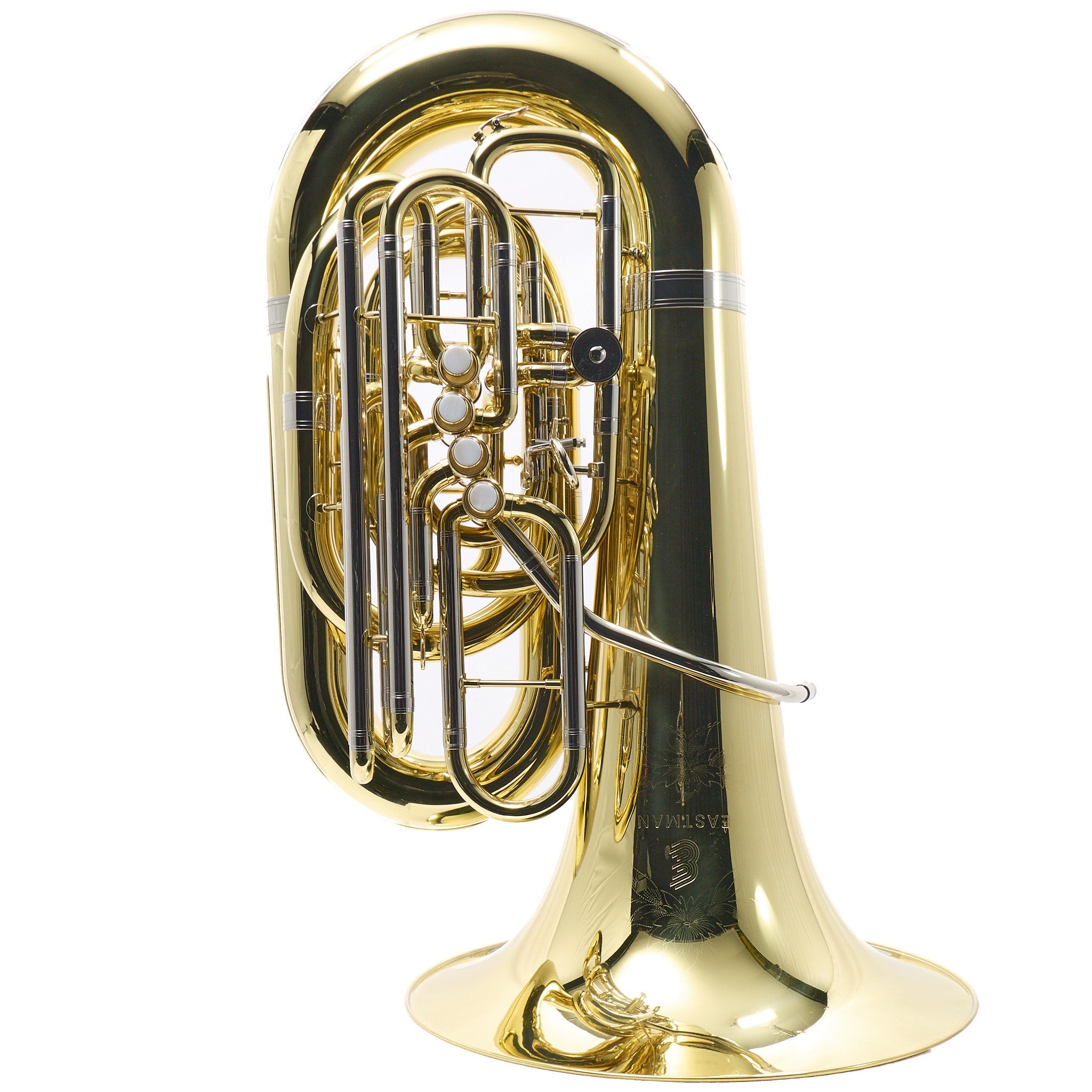
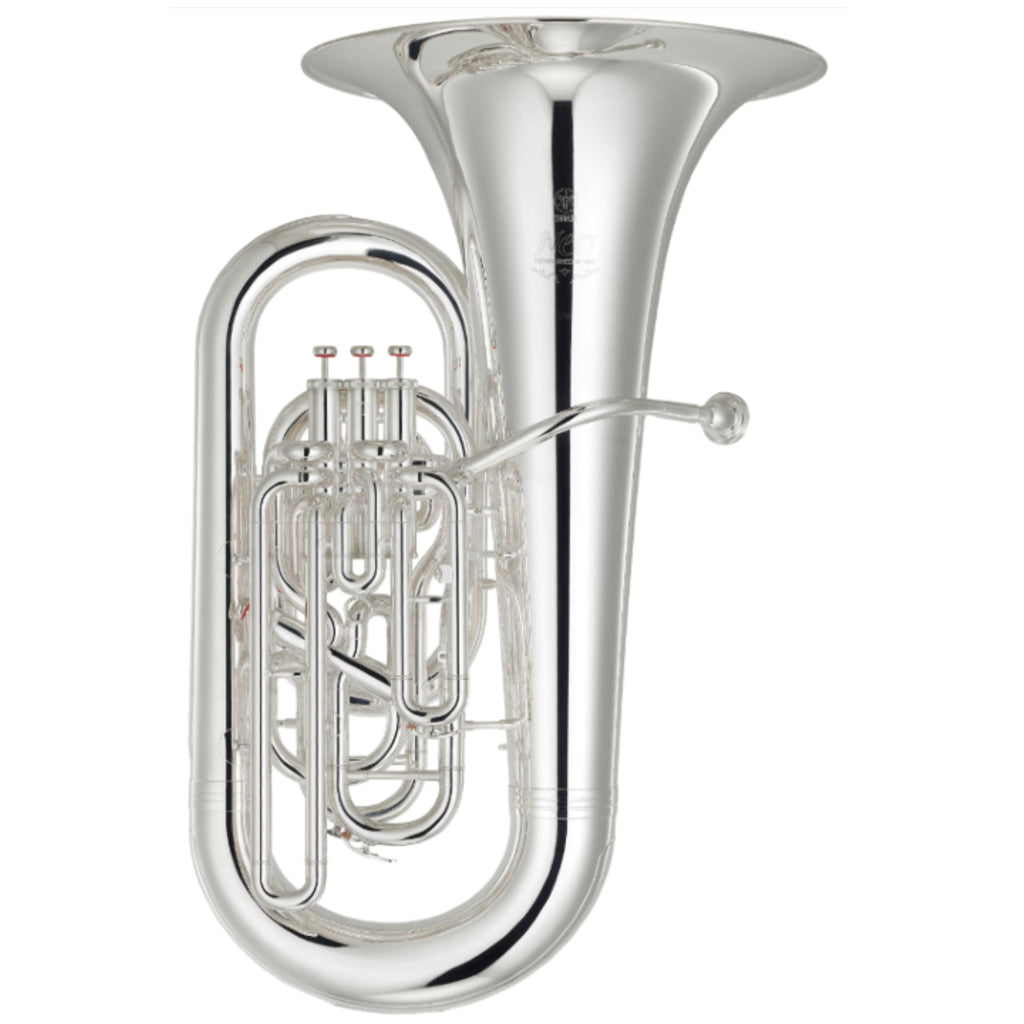
Browse new, refurbished, used & vintage tubas and sousaphones at The Mighty Quinn Brass and Winds from top brands like Conn, Jupiter XO, Eastman, Yamaha, Willson & more. Shop now to find the perfect low brass instrument to suit your playing style and budget.

Find it. Play it. Love it. ♪♫

FAQs

What are the different types of tubas?

Tubas come in several keys, most commonly BB♭, CC, F, and EE♭. BB♭ tubas are popular in school bands, CC tubas are widely used in orchestras in the United States, and F or EE♭ tubas are often chosen for solo and chamber repertoire because of their agility and lighter tonal character.

What’s the difference between BB♭ and CC tuba?

Both are similar in size and role, but CC tubas are pitched a whole step higher and are commonly used in professional orchestras. BB♭ tubas are often favored in educational settings and wind bands. The choice often depends on repertoire and player preference.

How many valves does a tuba need?

Most tubas have four or five valves. A fourth valve extends the low range and improves intonation. A fifth (and sometimes sixth) valve provides additional tuning flexibility and smoother low-register fingerings.

What is a compensating tuba?

Compensating systems add extra tubing to correct pitch when multiple valves are used together, improving intonation in the low register. These are especially common on British-style E♭ and BB♭ tubas.

What’s the difference between piston and rotary valves?

Piston valves move vertically and often provide a quick, direct response. Rotary valves turn and are commonly associated with a smooth, blended orchestral sound. Preference is largely stylistic.

Does tuba size affect sound?

Yes. Larger “4/4,” “5/4,” or “6/4” tubas generally produce broader, more powerful tones suited for large ensembles, while smaller instruments can offer greater clarity and agility.

What is a sousaphone?

A sousaphone is a marching version of the tuba designed to wrap around the player’s body, projecting sound forward. It is commonly used in marching bands.