



call

Clarinet Accessories at The Mighty Quinn Brass and Winds

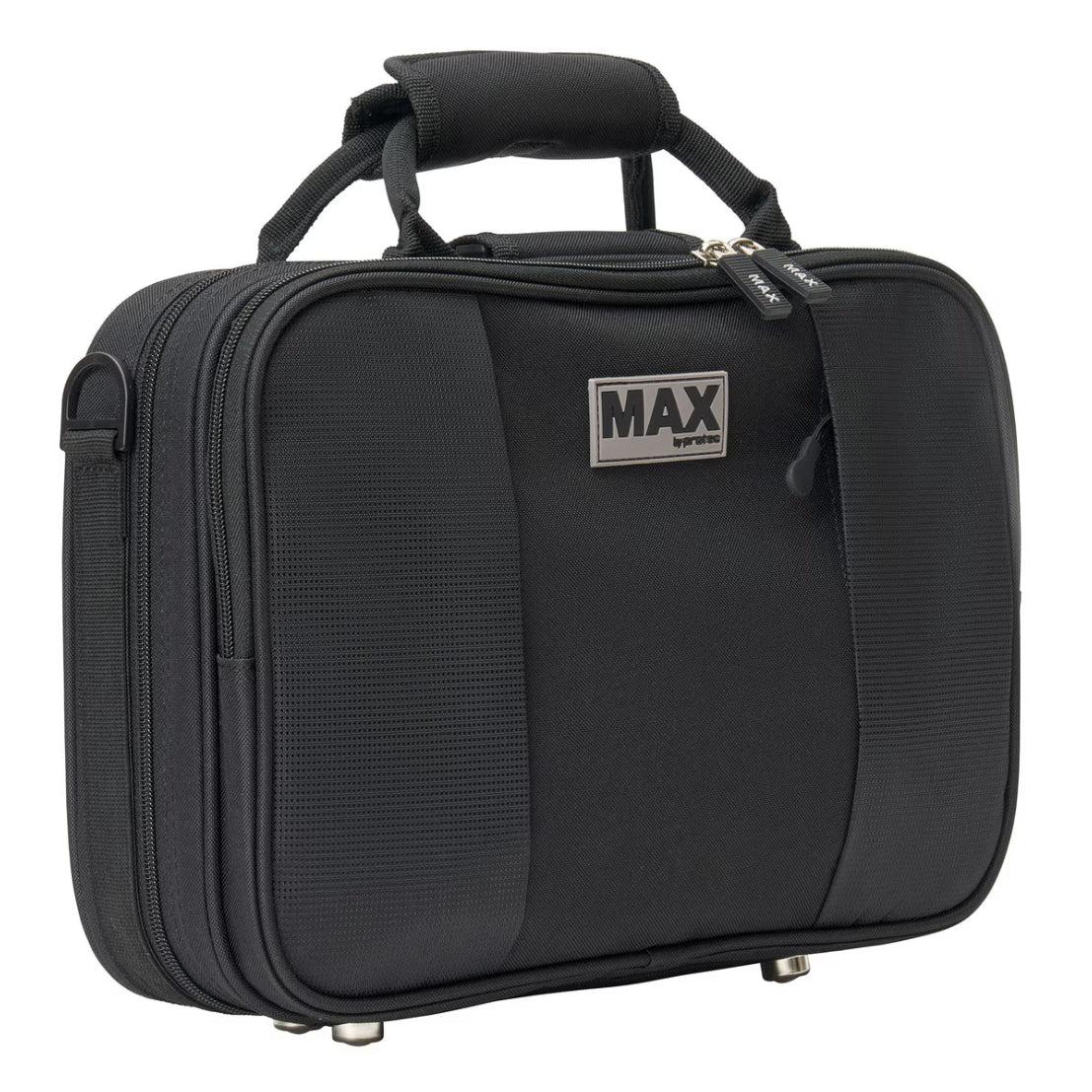
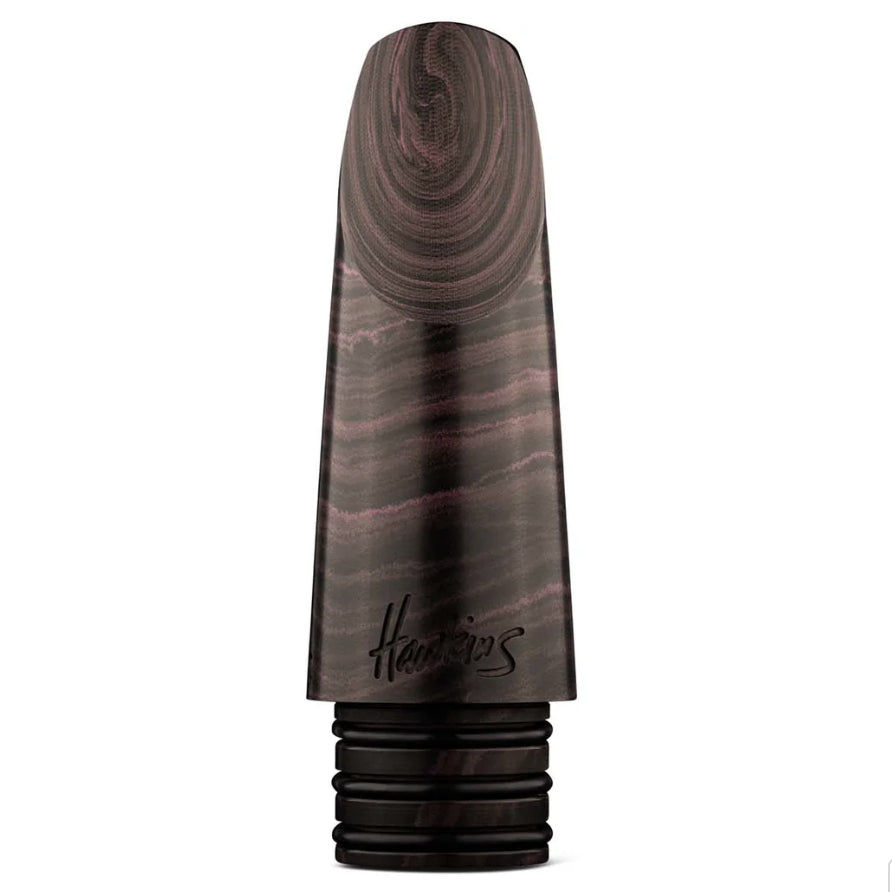
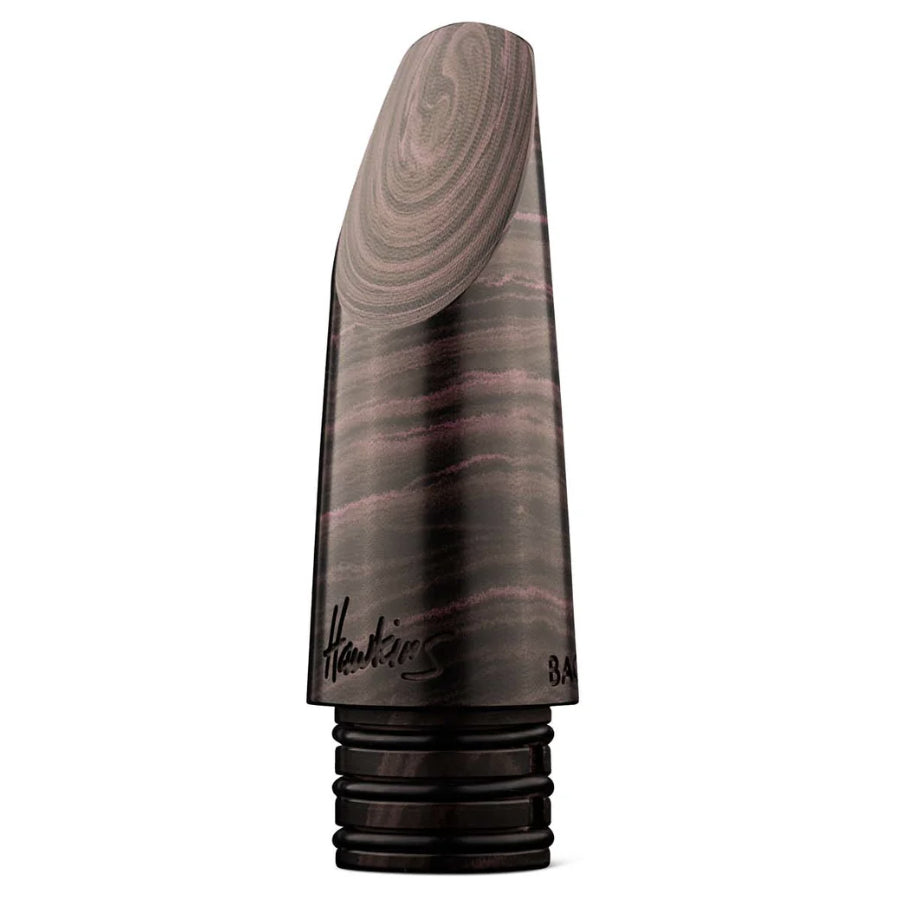
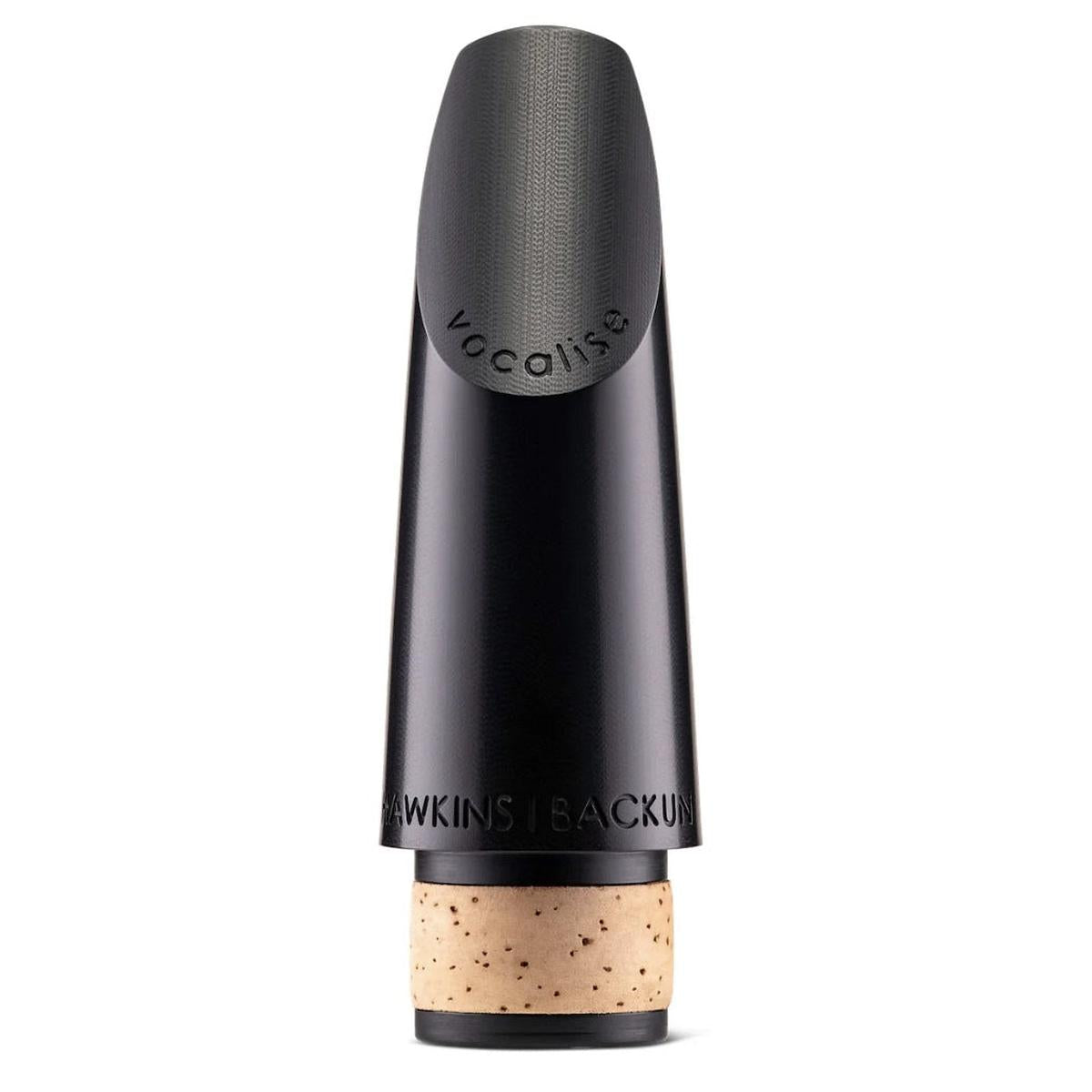
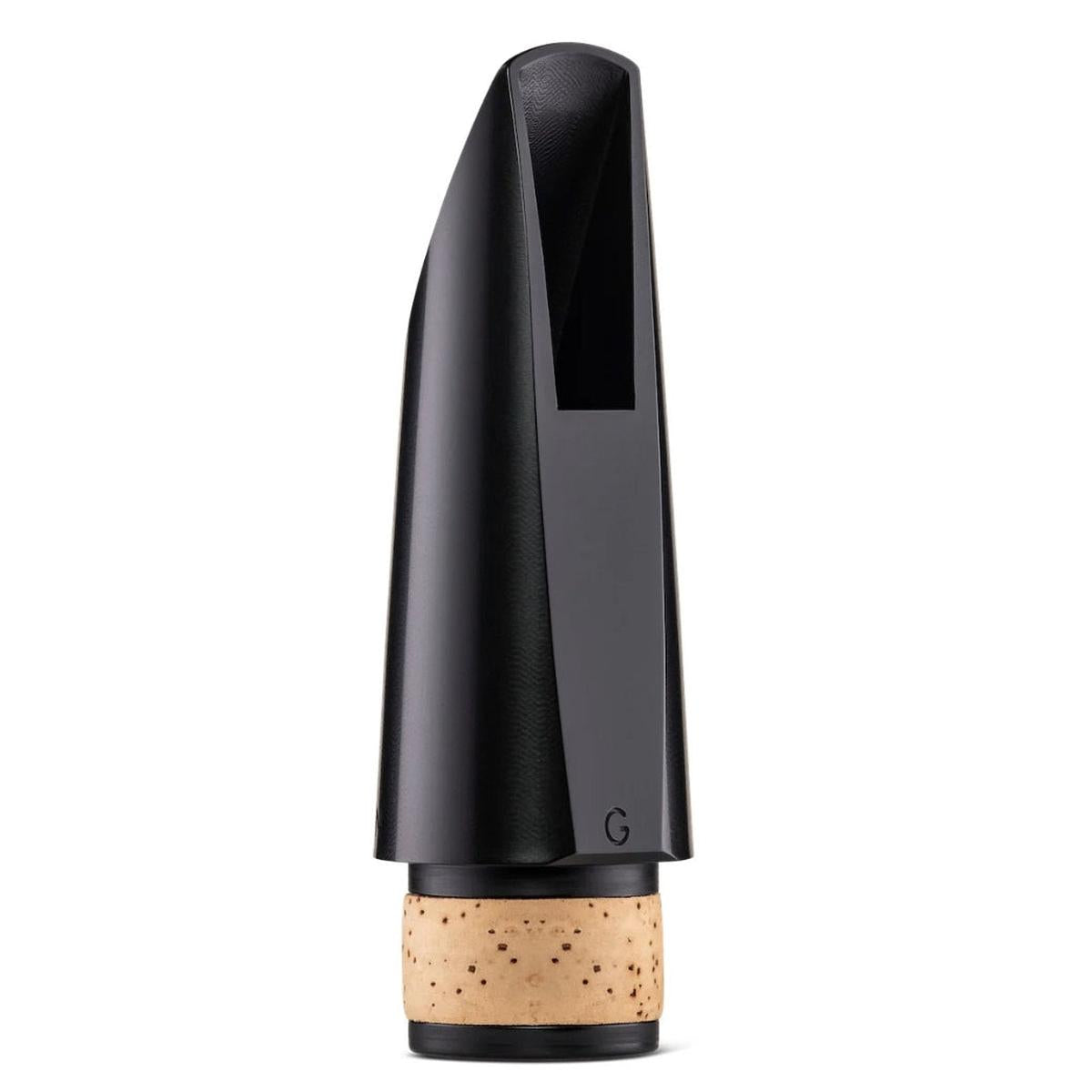
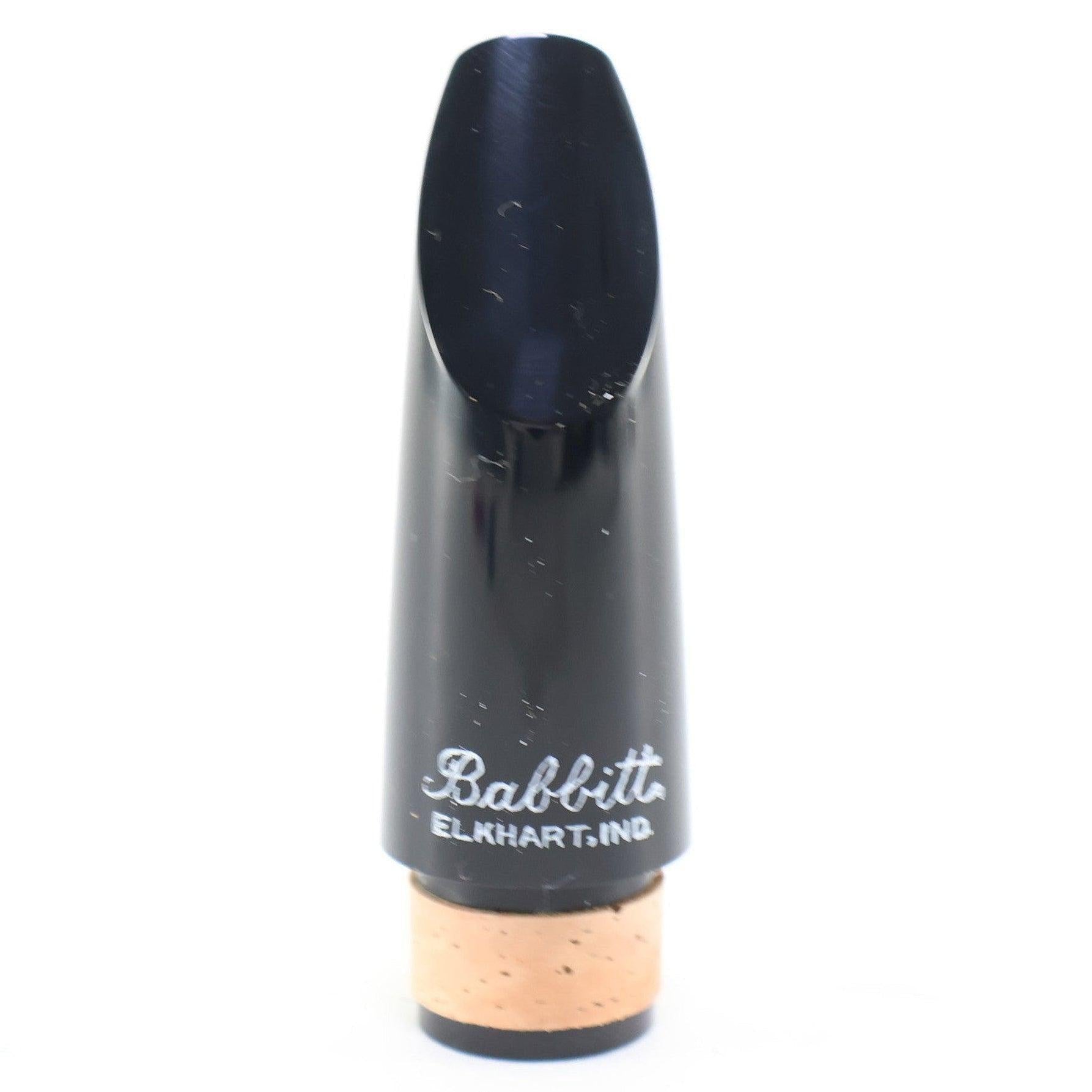
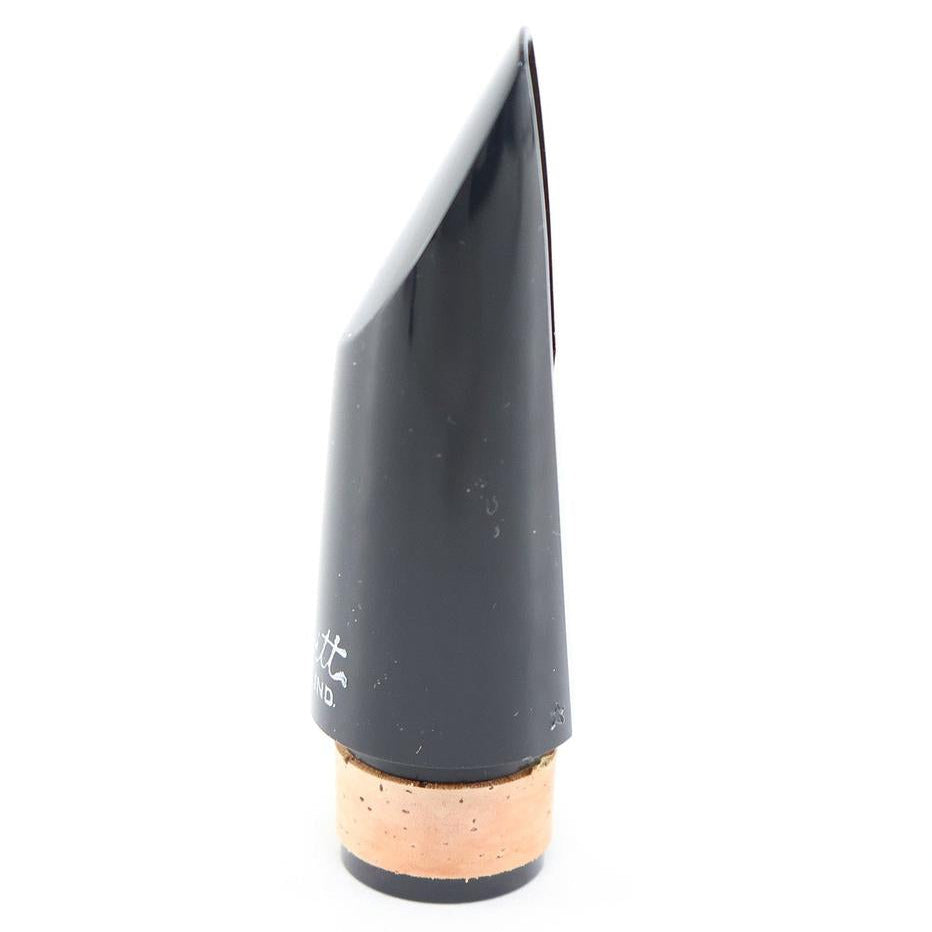
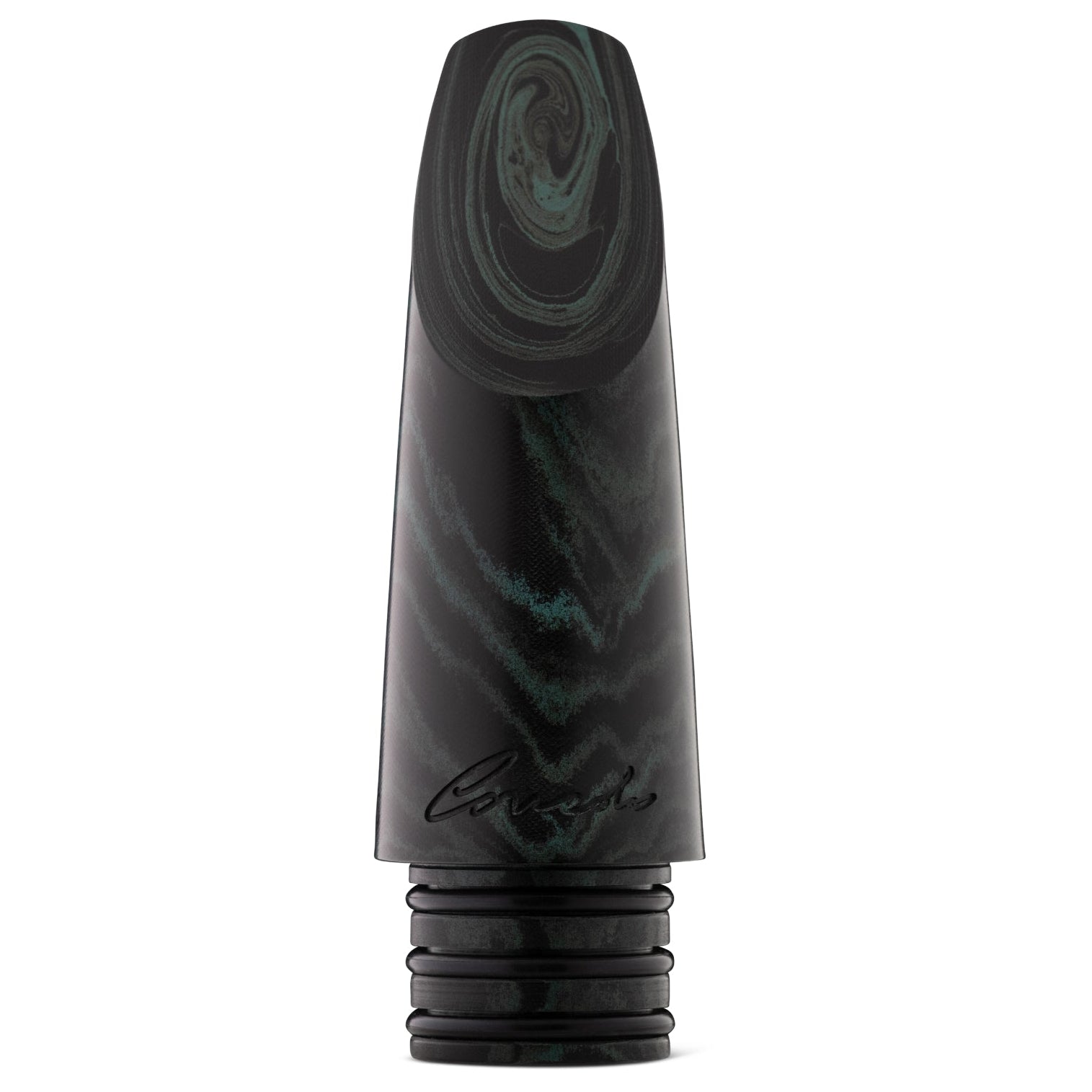
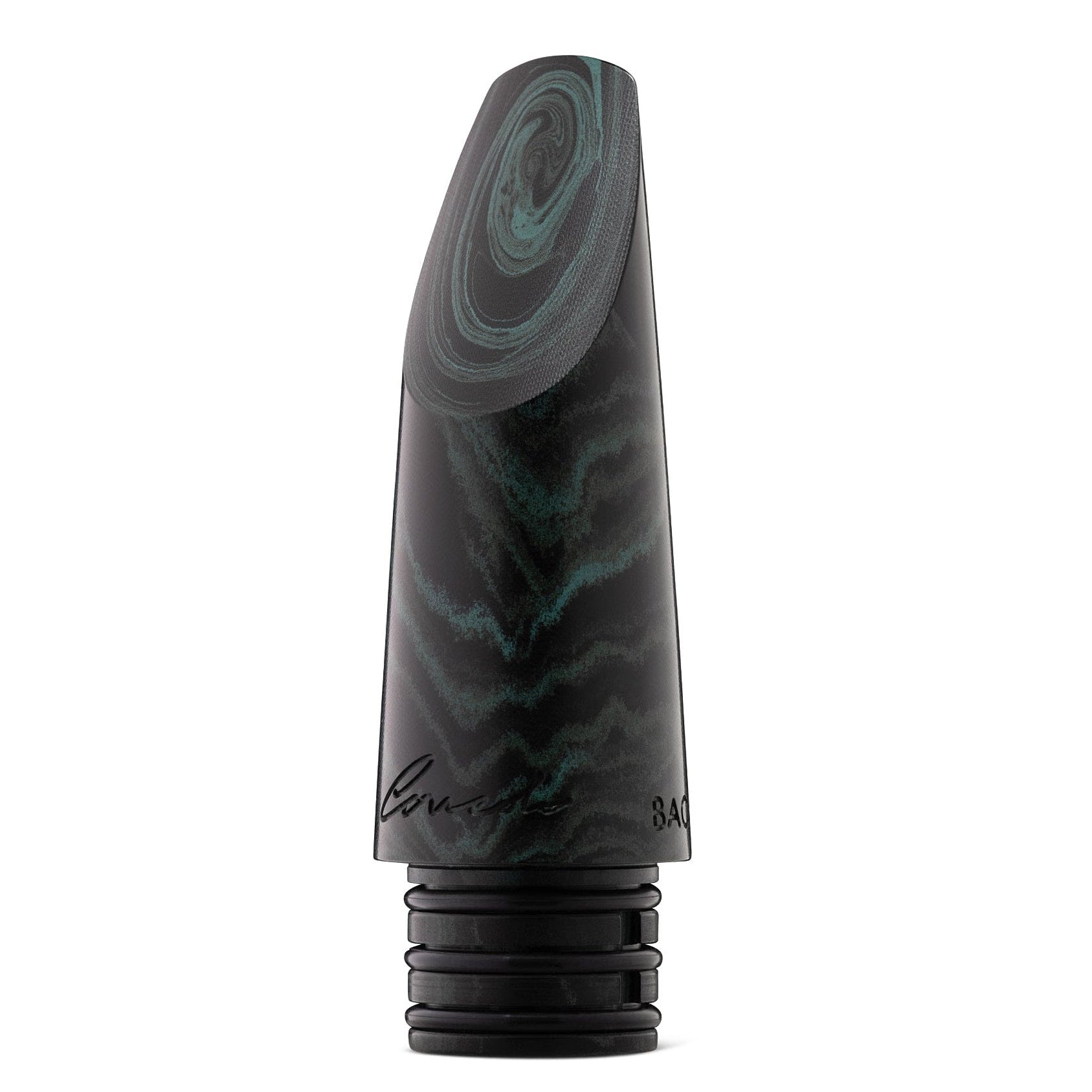
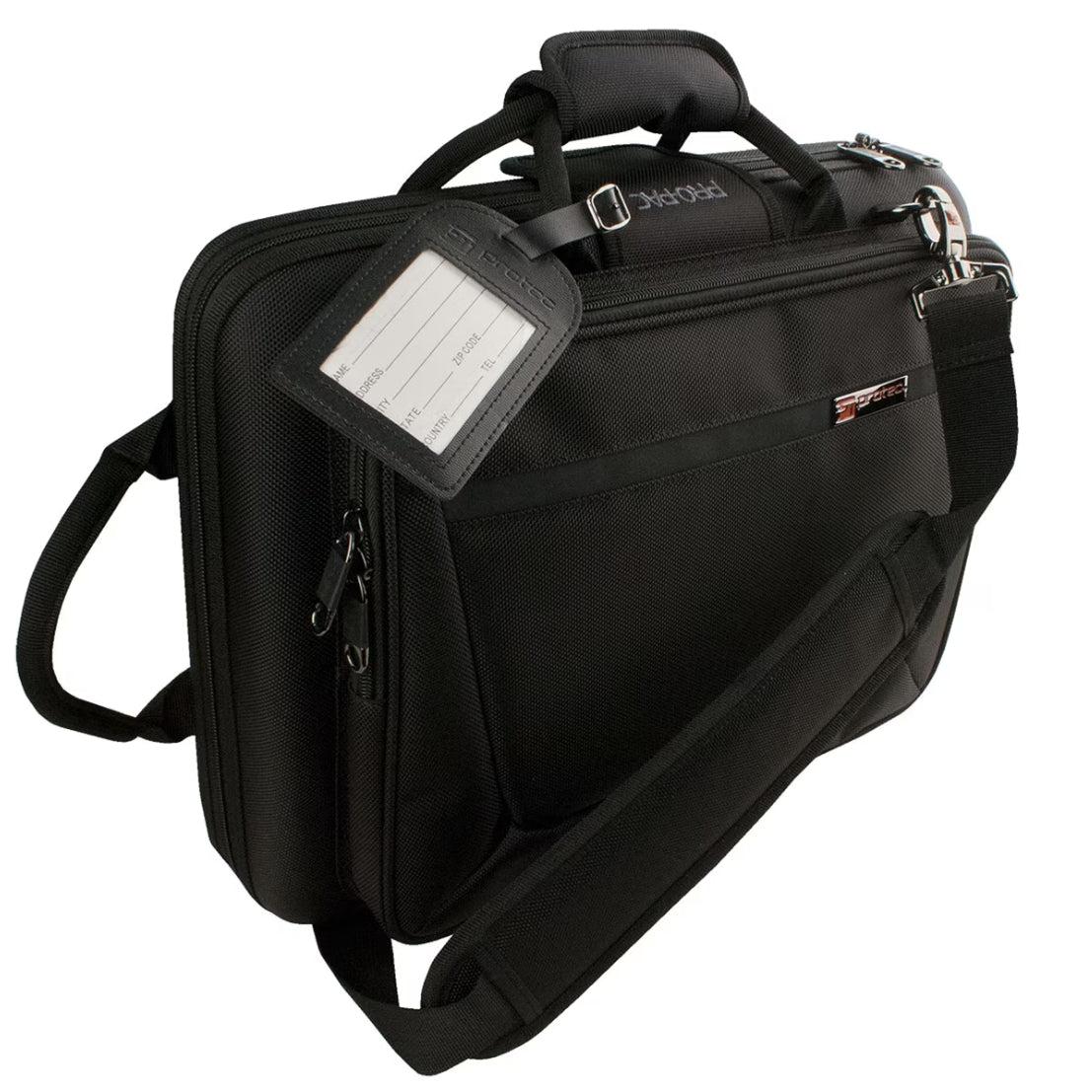
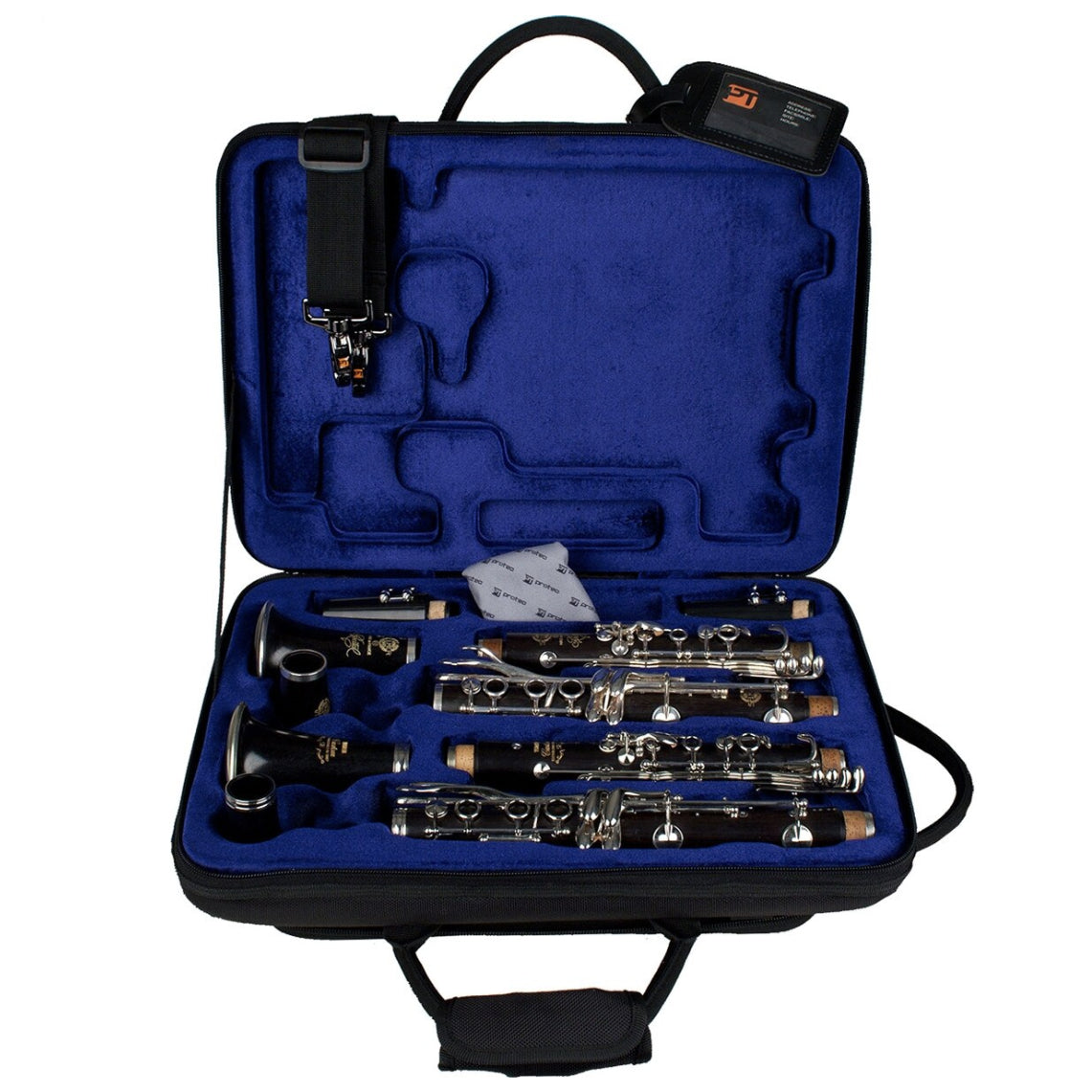
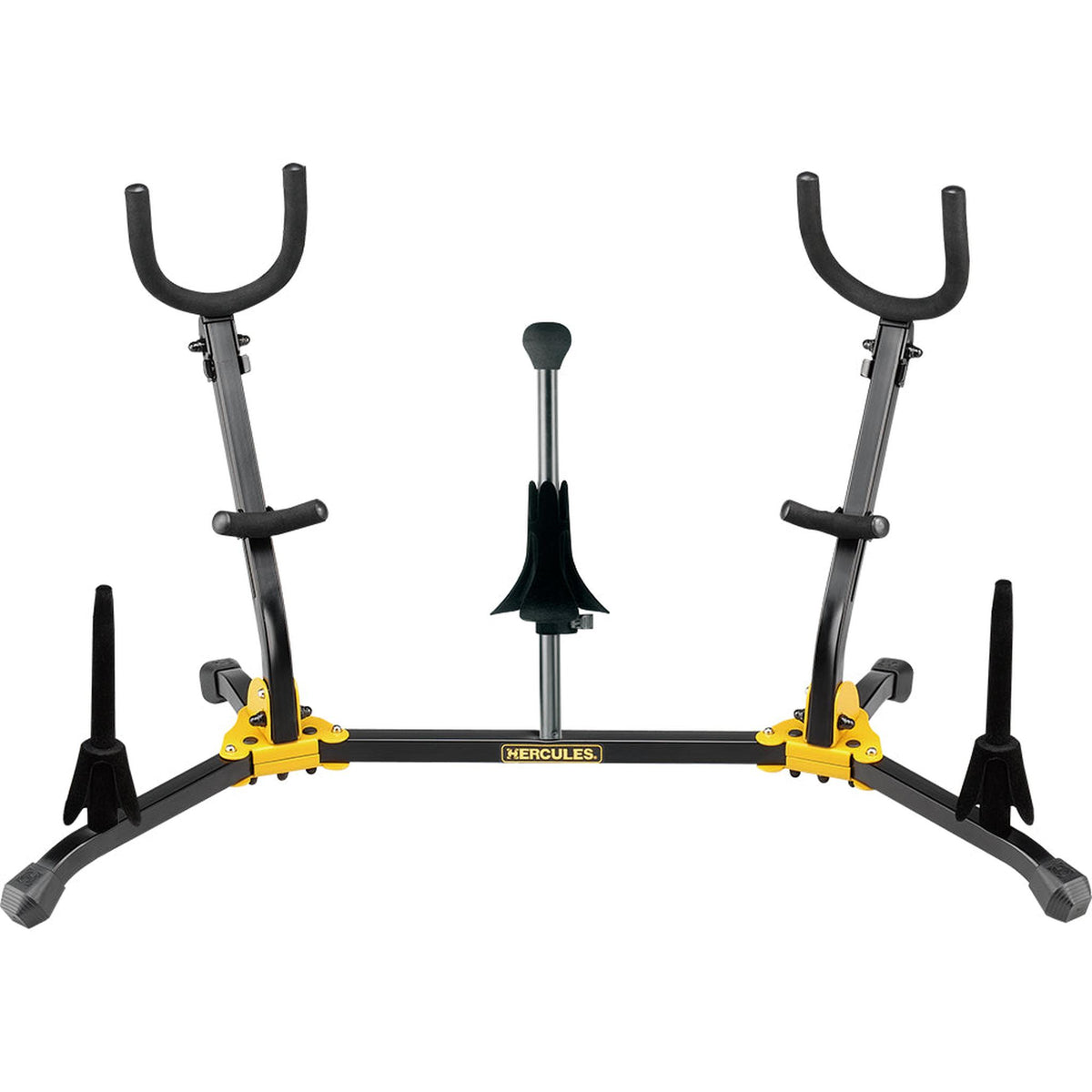
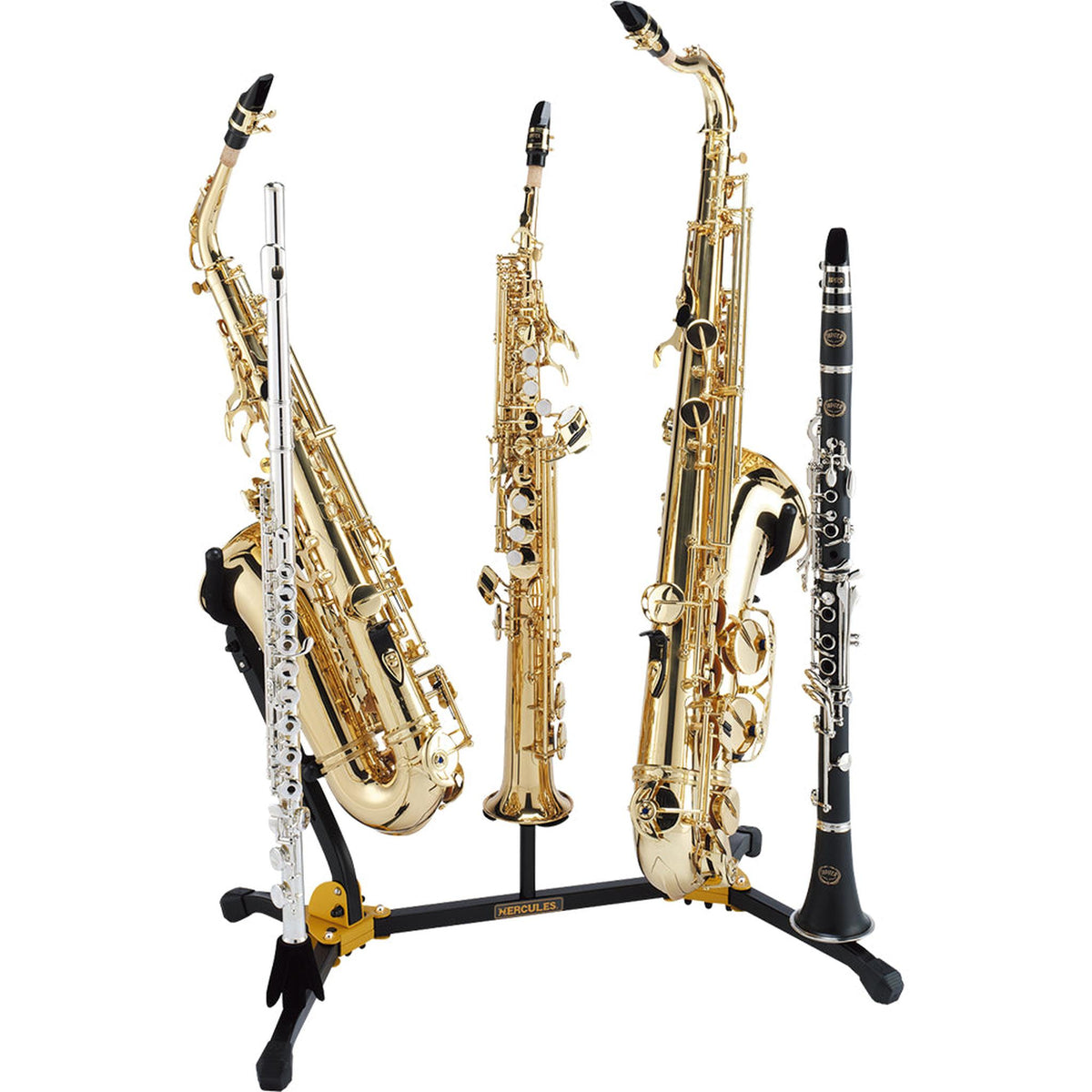
Clarinet accessories help players maintain their instrument, protect it during travel, and refine their sound. At The Mighty Quinn Brass and Winds, you’ll find a wide selection of clarinet accessories including reeds, ligatures, mouthpiece caps, cleaning swabs, cork grease, reed cases, mouthpieces, and protective cases. These essential tools support proper maintenance and consistent performance, helping clarinetists keep their instrument in excellent playing condition. Whether you’re a student, advancing player, or professional musician, the right clarinet accessories make practice, rehearsal, and performance more comfortable and reliable. Find the perfect mouthpiece, reed, stand, or care product to personalize your playing experience at The Mighty Quinn Brass and Winds. 

Find it. Play it. Love it. 

FAQs

What accessories do I need for my clarinet?

Essential clarinet accessories include reeds, a ligature, a cleaning swab, cork grease, and a sturdy case. Many players also use a reed case to protect reeds and a mouthpiece cap to prevent damage.

How often should I replace reeds?

Reed life varies based on playing time and care. Students may replace reeds every few weeks, while advanced players rotate several reeds at once to extend lifespan and maintain consistency.

What strength reed should I use?

Beginners typically start with softer reeds (often 2 or 2.5), while advancing players gradually move to stronger reeds as embouchure strength develops. The right strength depends on mouthpiece design and personal preference.

Why do I need cork grease?

Cork grease helps lubricate the tenon corks so the joints assemble smoothly without tearing the cork. A small amount applied as needed prevents unnecessary wear.

What is a ligature, and does it affect sound?

The ligature secures the reed to the mouthpiece. Different materials and designs can subtly affect response and articulation, though the reed and mouthpiece have a greater impact on tone

How do I prevent moisture buildup?

Swabbing the instrument after every playing session removes moisture from the bore, helping protect pads and reduce the risk of cracking in wooden clarinets.

Do I need to oil my wooden clarinet?

Wooden clarinets—typically made from grenadilla or cocobolo—benefit from occasional bore oiling to help maintain moisture balance and reduce the risk of drying and cracking. Light bore oil applied sparingly to the inside of the upper and lower joints (never on pads or tone holes) can help condition the wood, especially in dry climates or during seasonal changes. Most players oil their clarinet one to three times per year, depending on humidity and how often the instrument is played. However, over-oiling can cause damage, so it’s best done conservatively or by a qualified technician during regular maintenance.