
Flutes & Piccolos
63 products
Eastman Model EFLT300 'Fremont' Intermediate Concert Flute
Yamaha Model YFL-462HYLPGP Intermediate Flute - Silver Headjoint, Gold Lip Plate
Yamaha Model YFL-362HY/LPGP Intermediate Flute with Silver Headjoint, Gold Lip Plate
Selmer Model SFL611B Open Hole Intermediate Flute
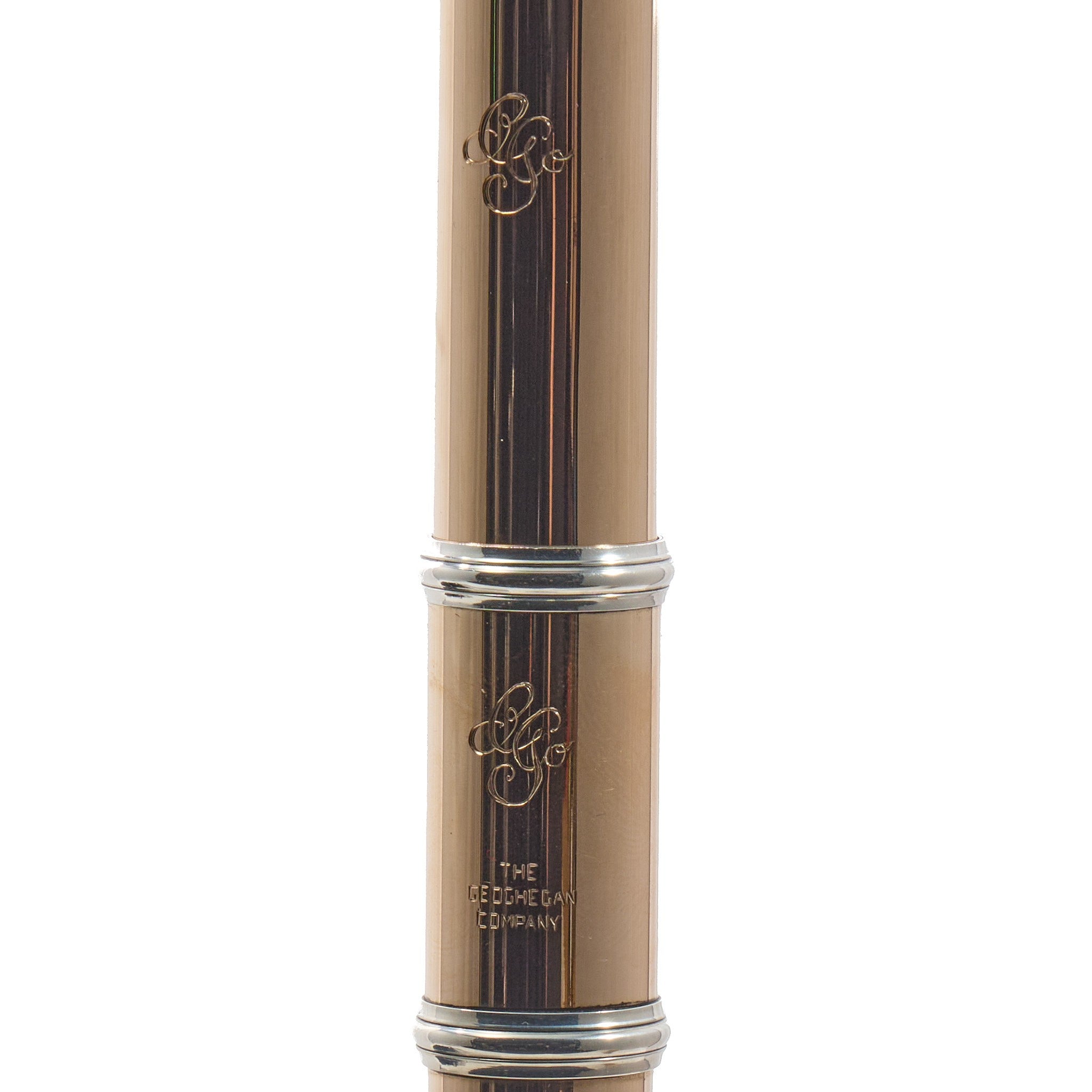
Geoghegan Handmade 14K Gold Flute with Silver Mechanism
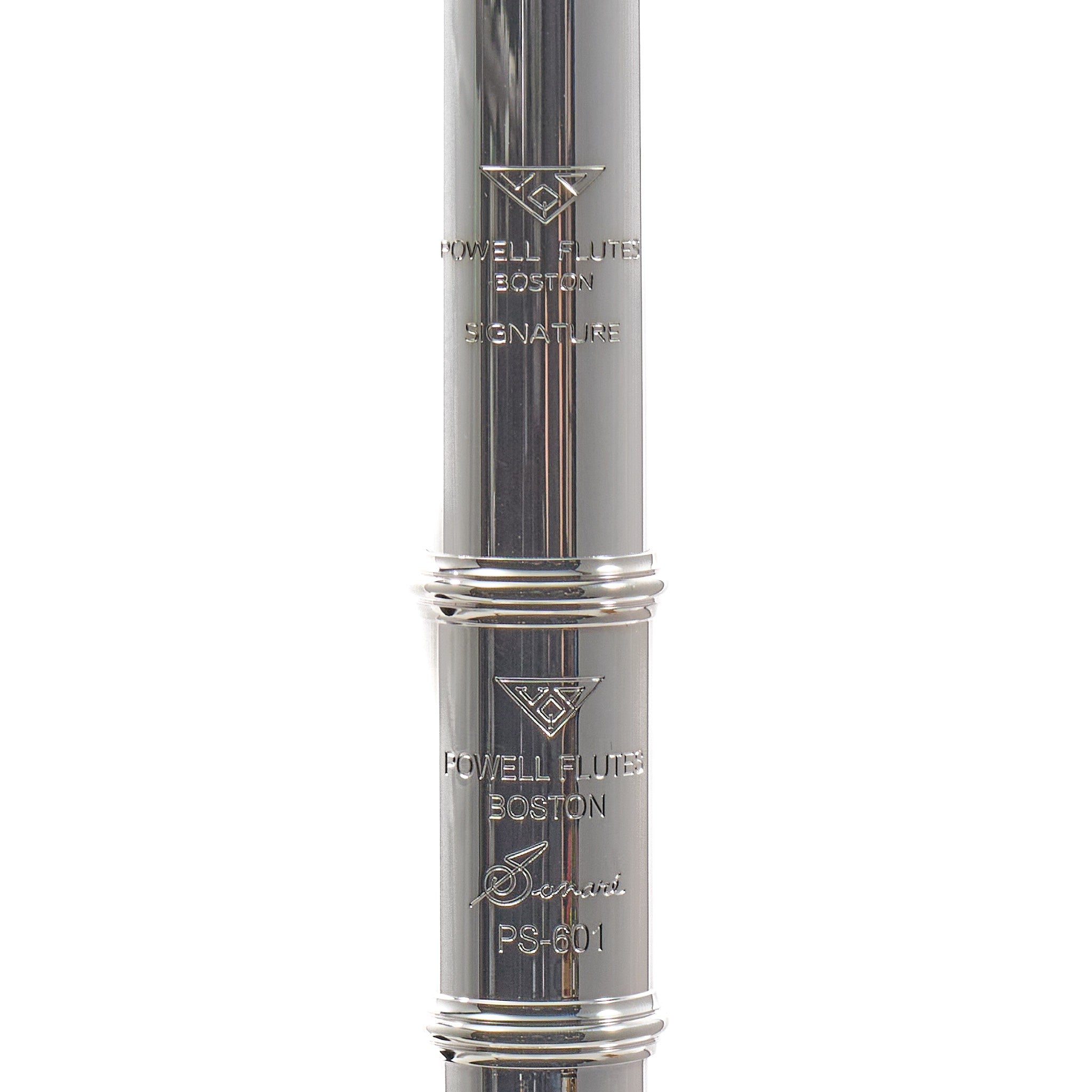
Powell Model PS-601 'Sonare' Solid Silver Flute
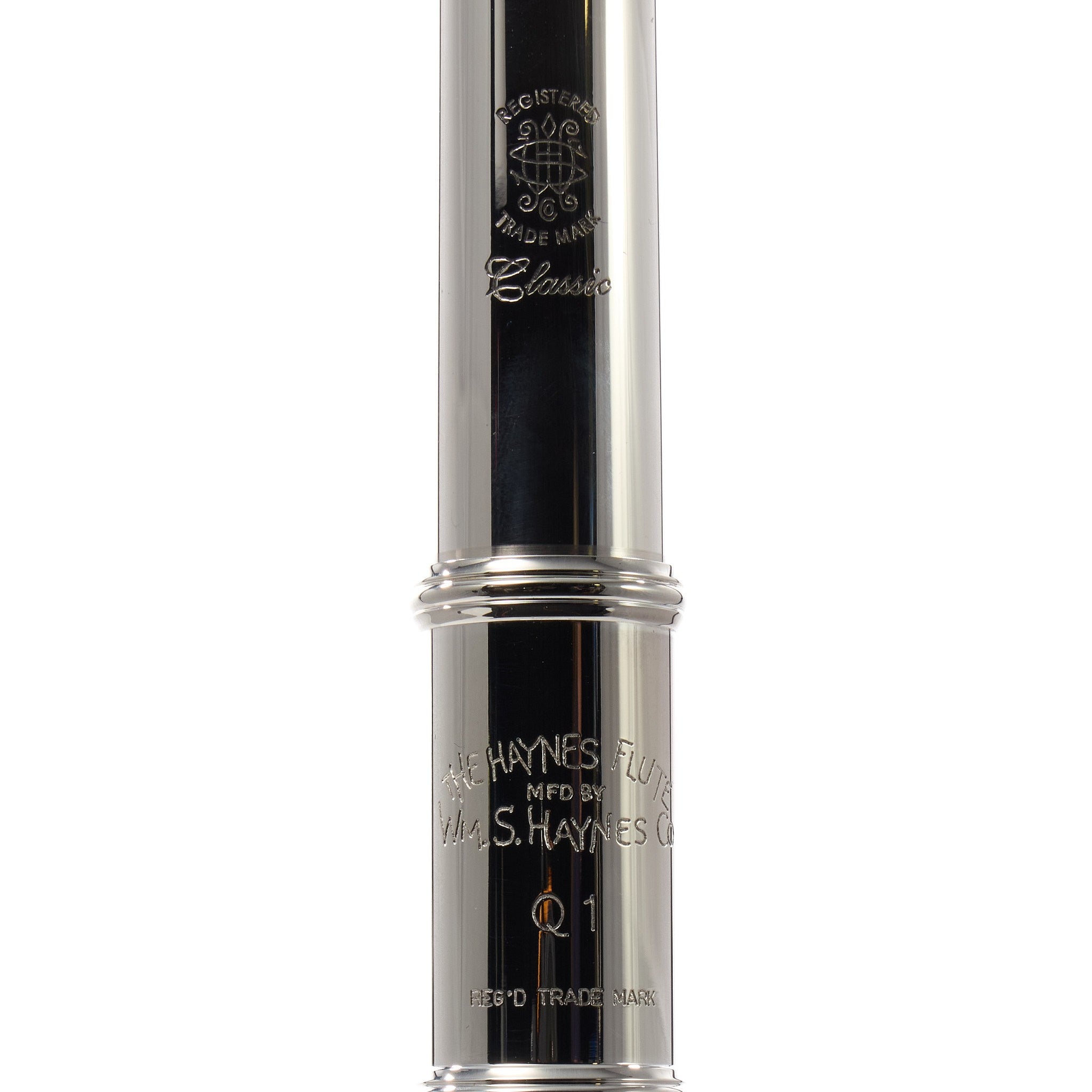
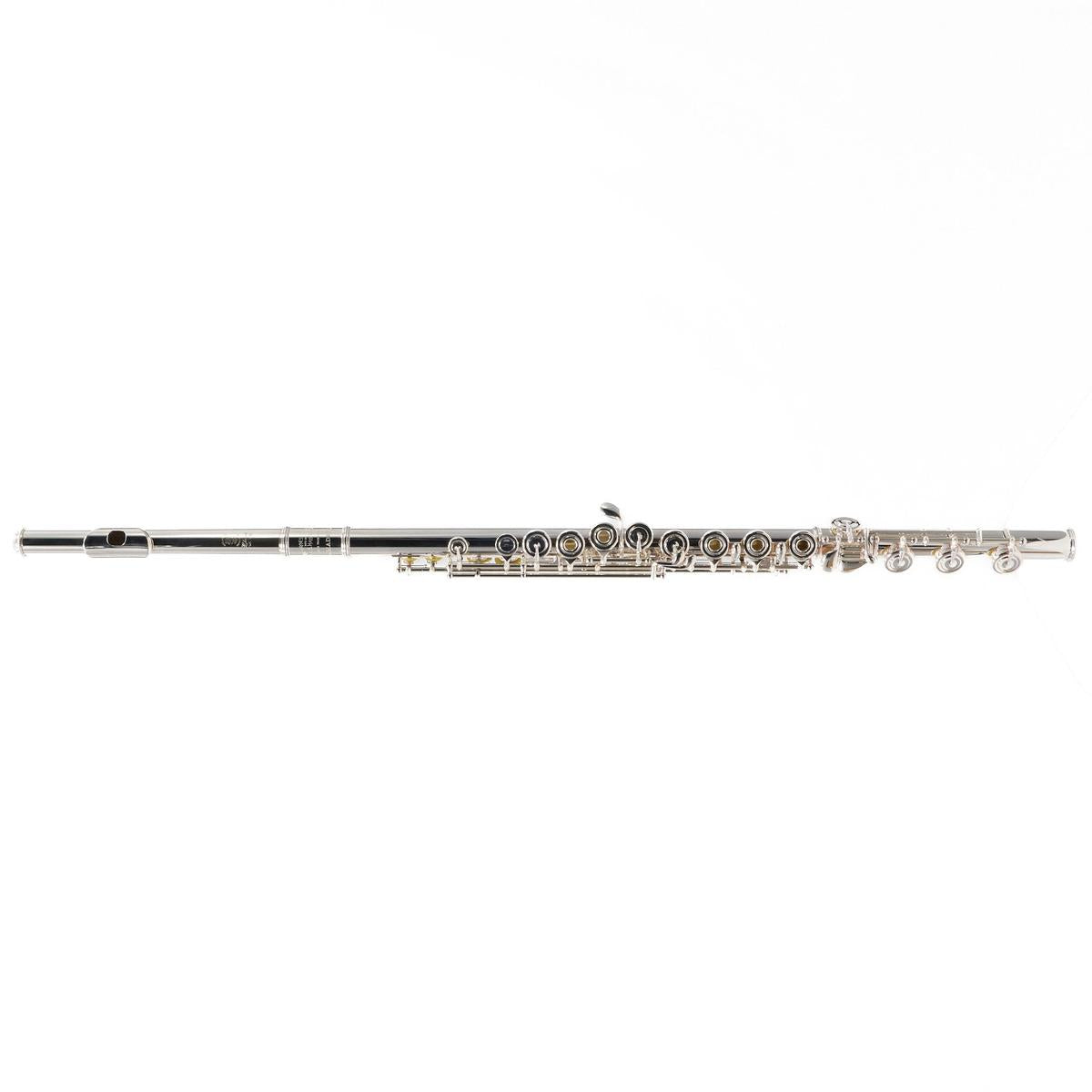
William S. Haynes Model Q3 Flute with B Foot, Open Holes, Inline G
Verne Q. Powell Handmade Professional Flute with Soldered Tone Holes
Pearl Maesta Handmade Solid Silver Flute with C Foot, Offset G, Drawn Tone Holes
William S. Haynes Model Q4 Handmade Solid Silver Flute with N Cut Headjoint
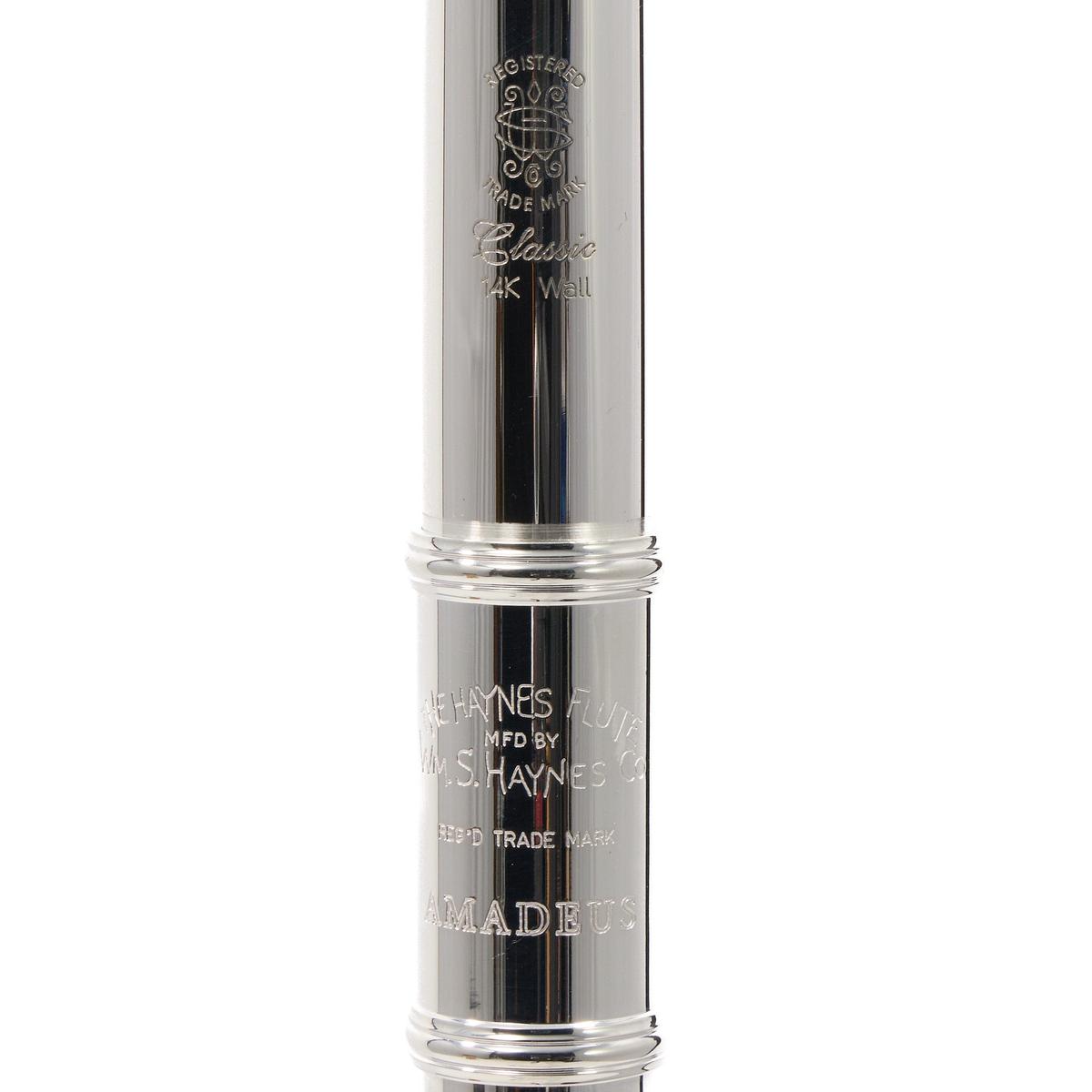
William S. Haynes Model AF570-S 'Amadeus' Alto Flute with Straight Head
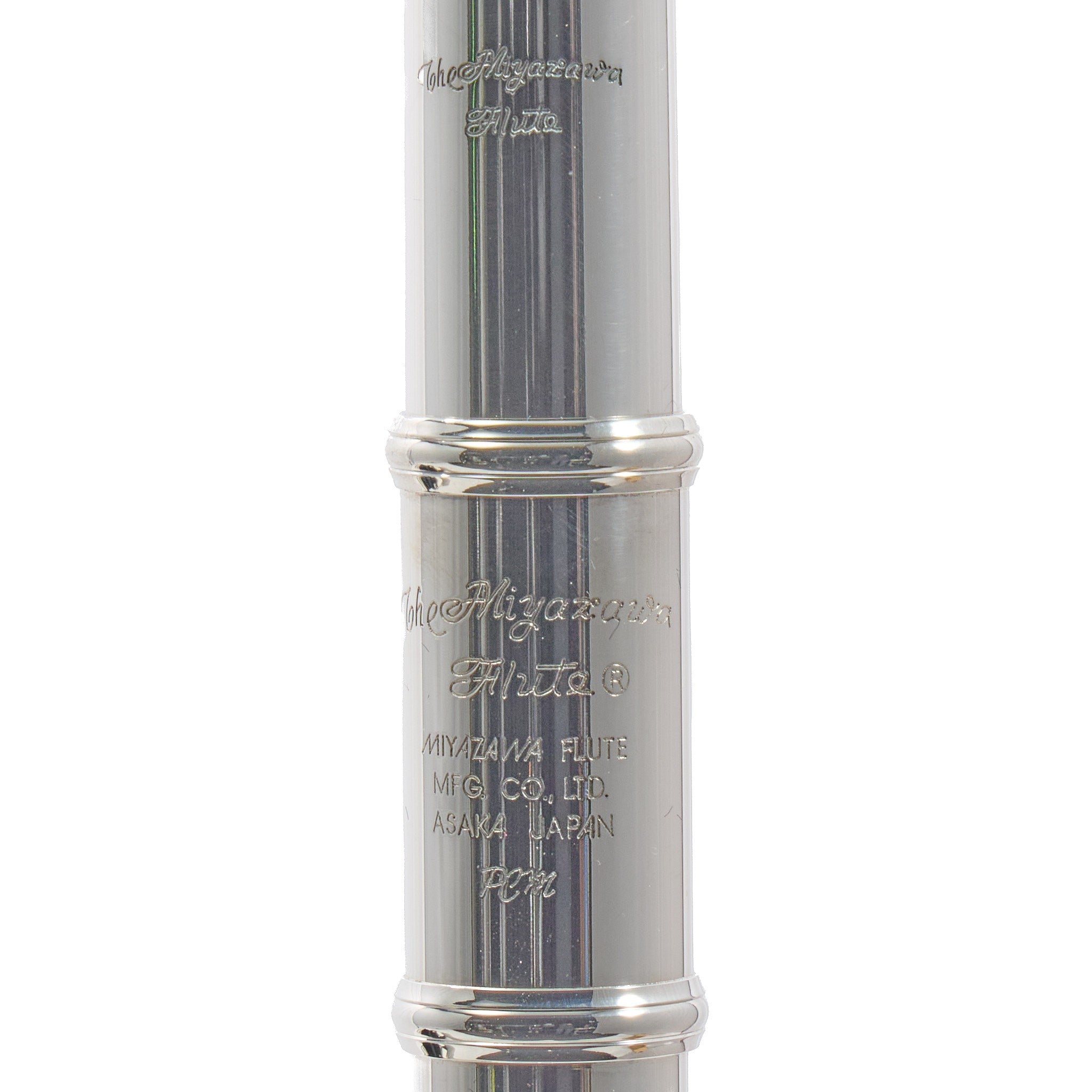
Miyazawa Model PA-302RH PCM Silver Flute with 14K Riser
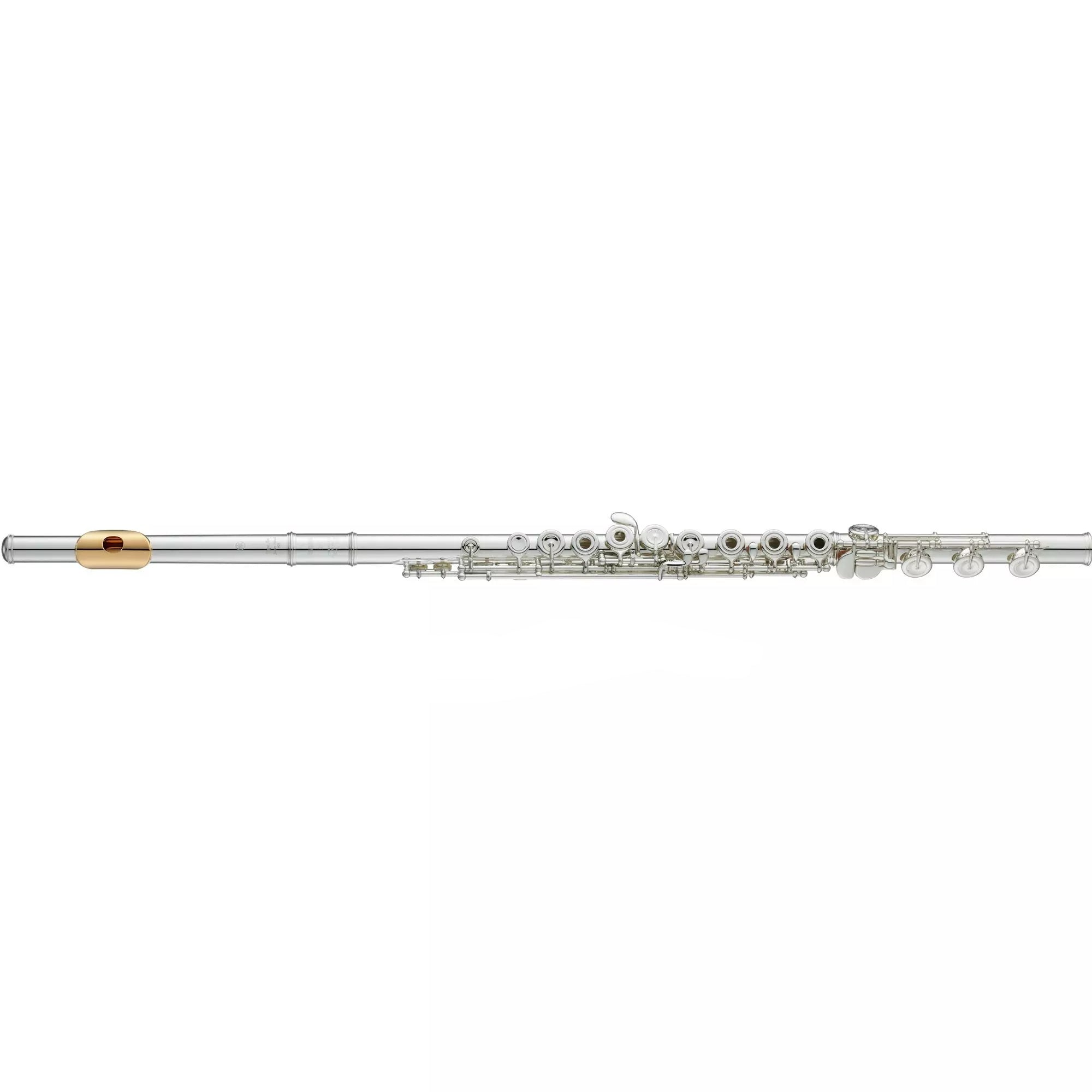
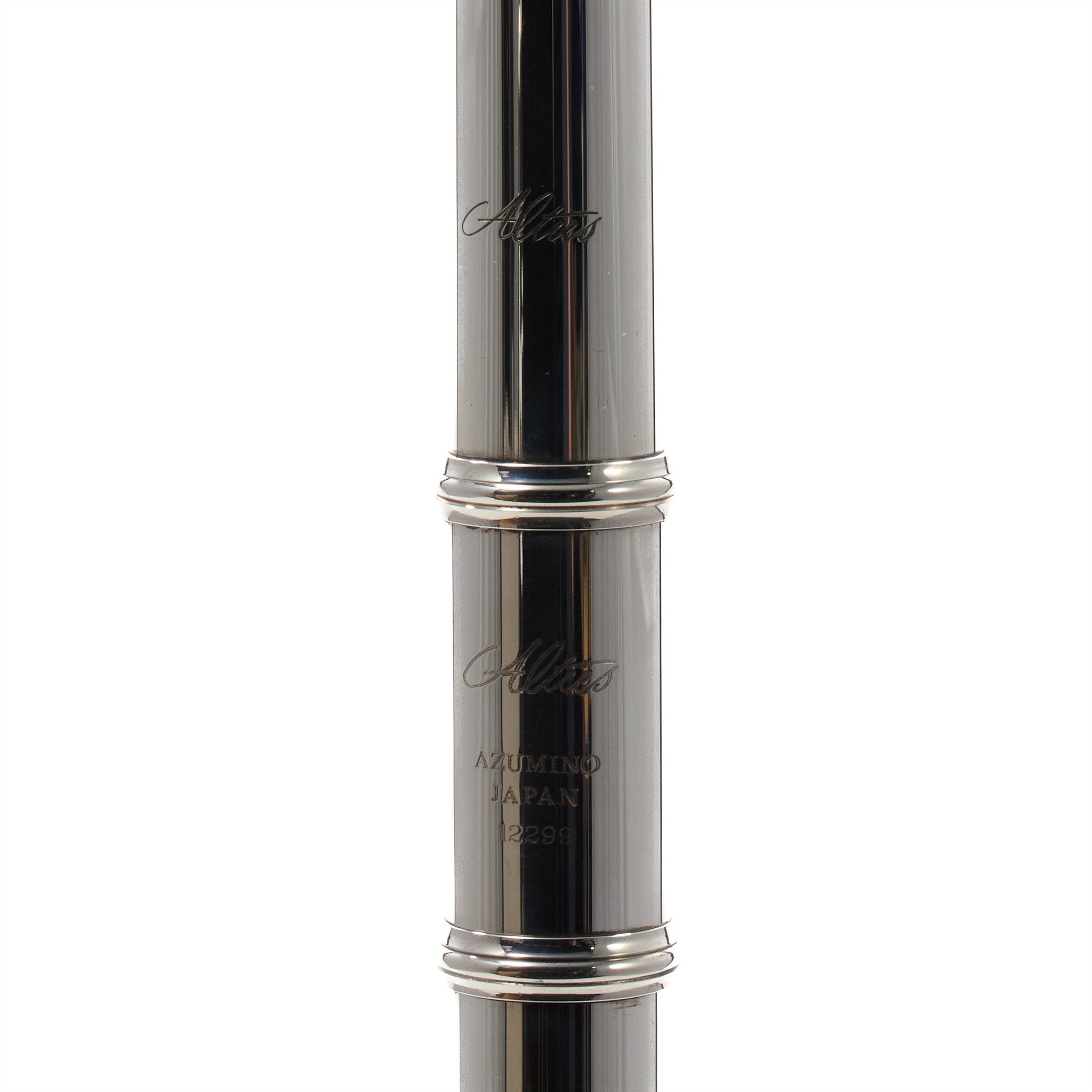
Altus Model 1207SRBO-D Handmade Silver Flute
William S. Haynes Model AP86T 'Amadeus' Grenadilla Piccolo
Yamaha Model YFL-677HCT Professional Flute
Selmer Model SFL301 Closed Hole Student Flute
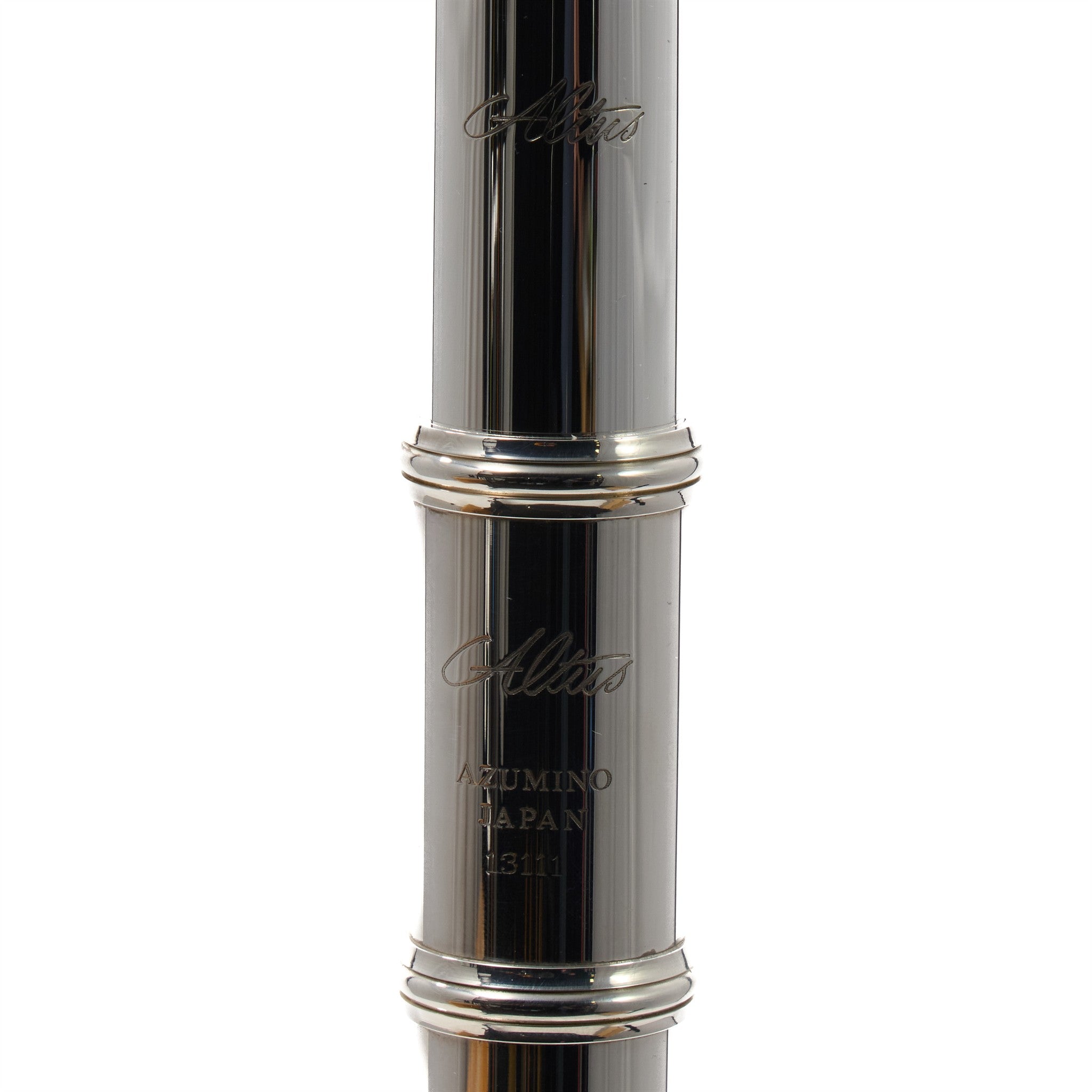
Altus Model 1807SRBO-CD Handmade Altus Silver Flute
Altus Model 1807SRBO-D Handmade Altus Silver Flute
Powell Sonare PS-905 Professional Sterling Silver Flute
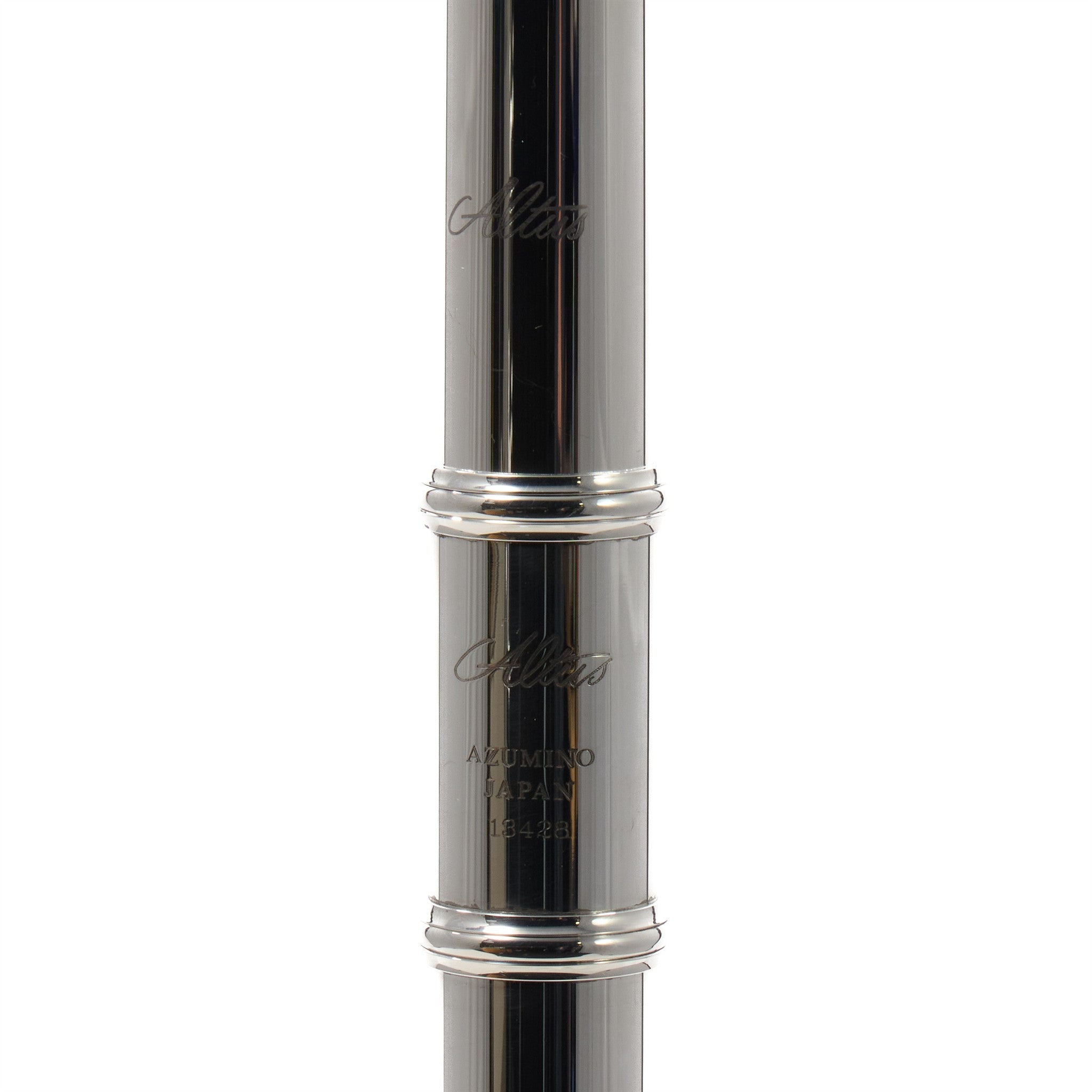
Altus Model 1307SRBO-D-4 Handmade Britannia Silver Flute
Altus Model 1407SRBO-CD Handmade Sterling Silver Flute
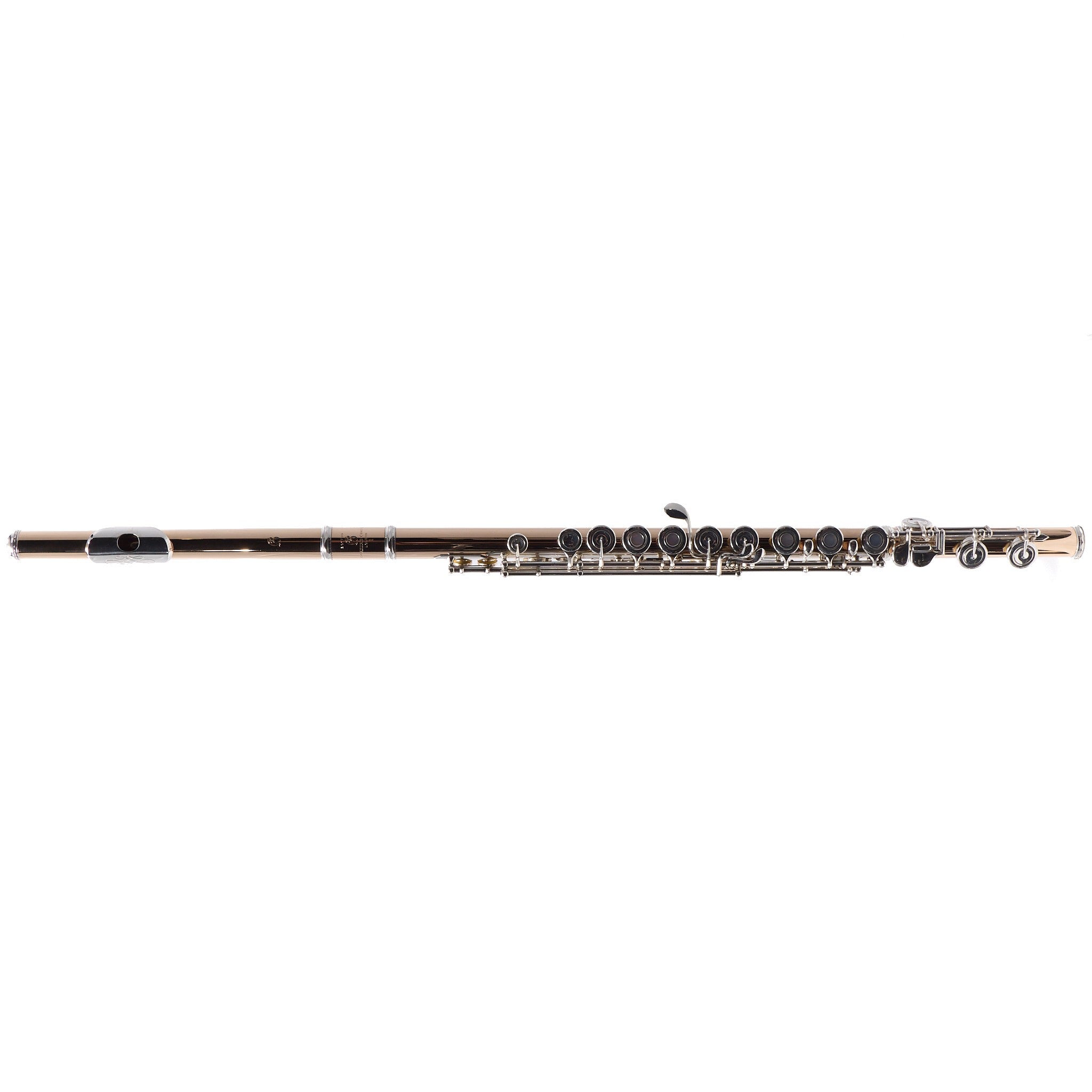
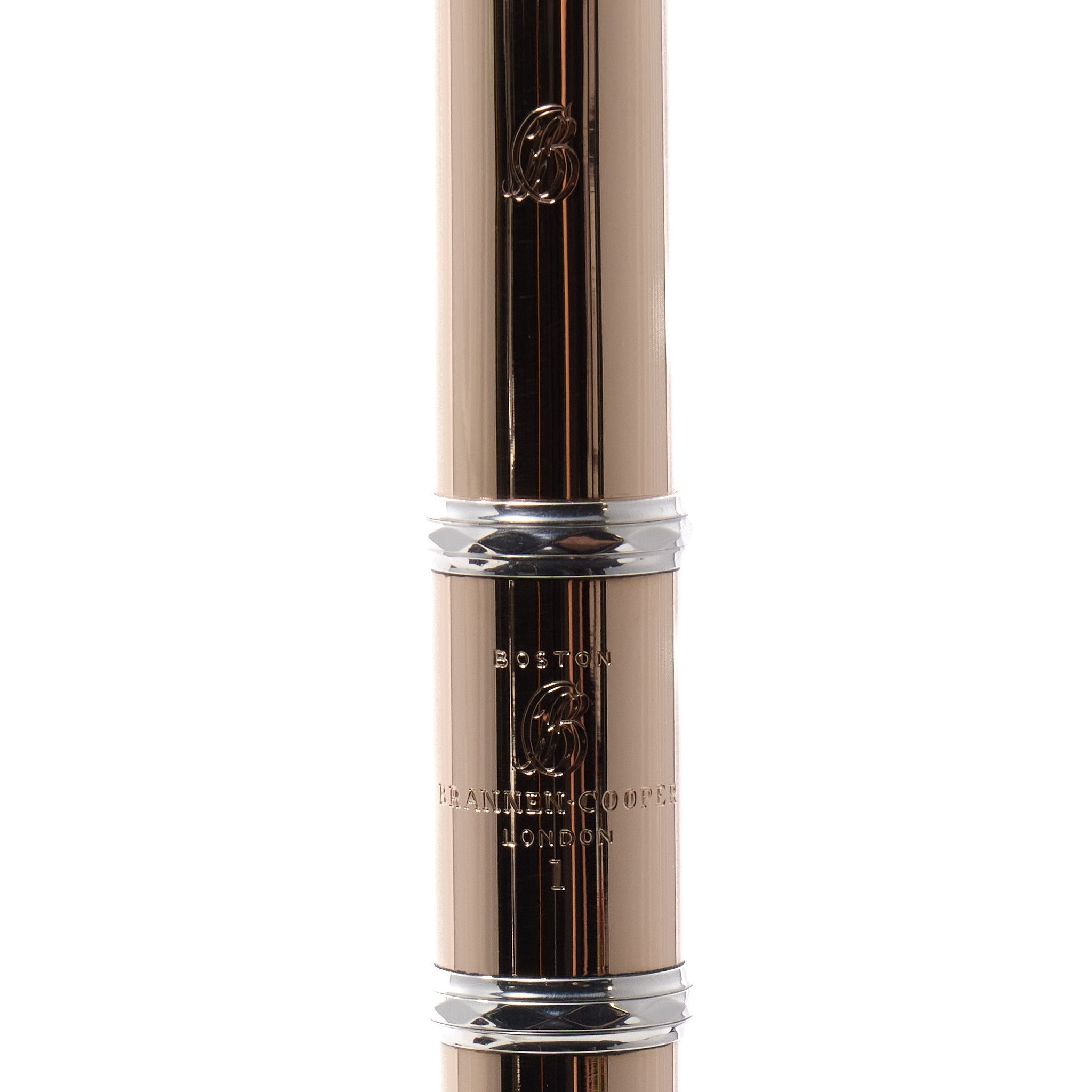
Brannen-Cooper Flute Serial Number 1
Altus Model 1607SRBEO-D Handmade Flute with 14K Riser
William S. Haynes Model AP86W 'Amadeus' Grenadilla Piccolo
Altus Model 1507SRBEO-D-4 Handmade Flute
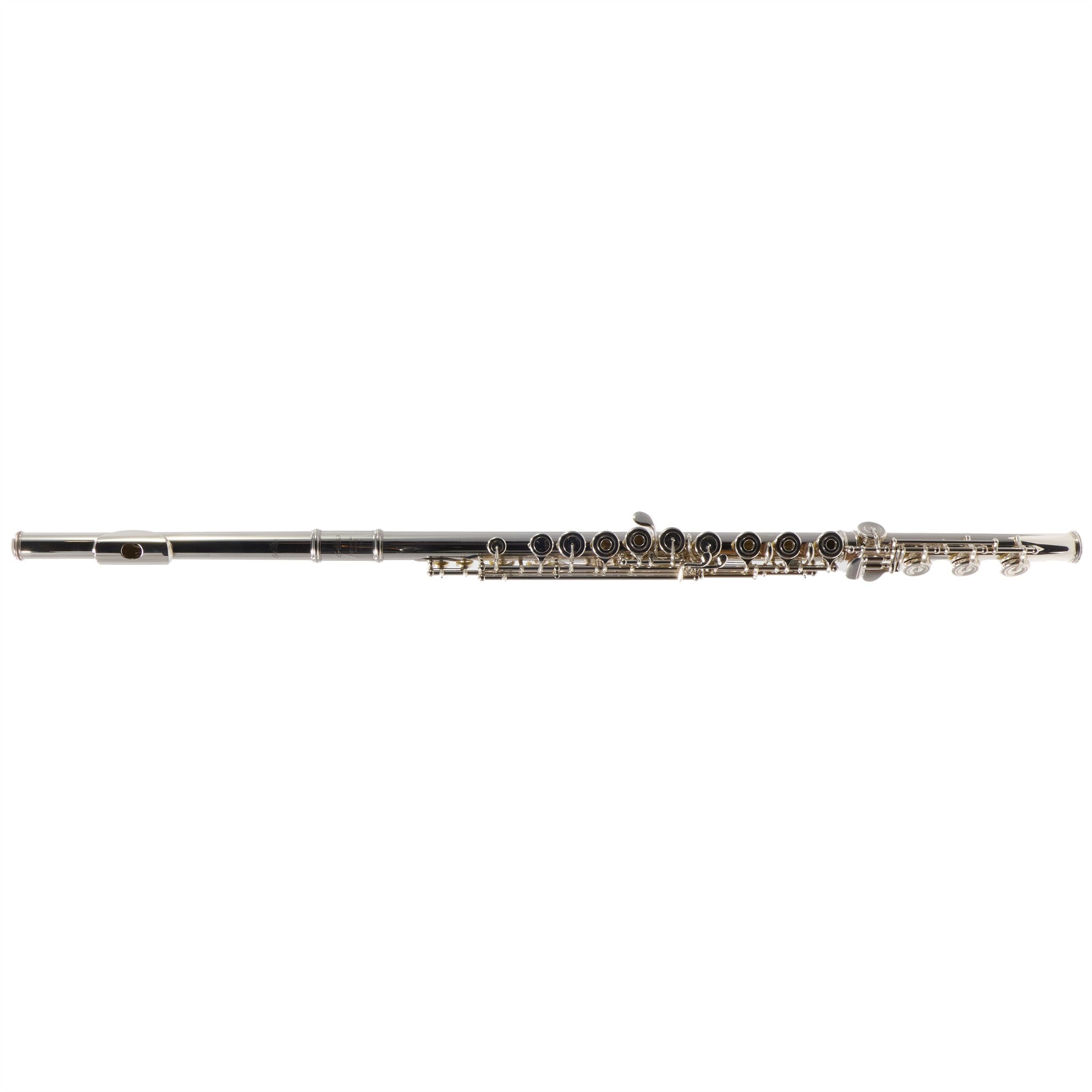
Altus Model 1507SRBEO-CD-4 Handmade Flute
Altus Model 1507SRBO-CD-4 Handmade Flute
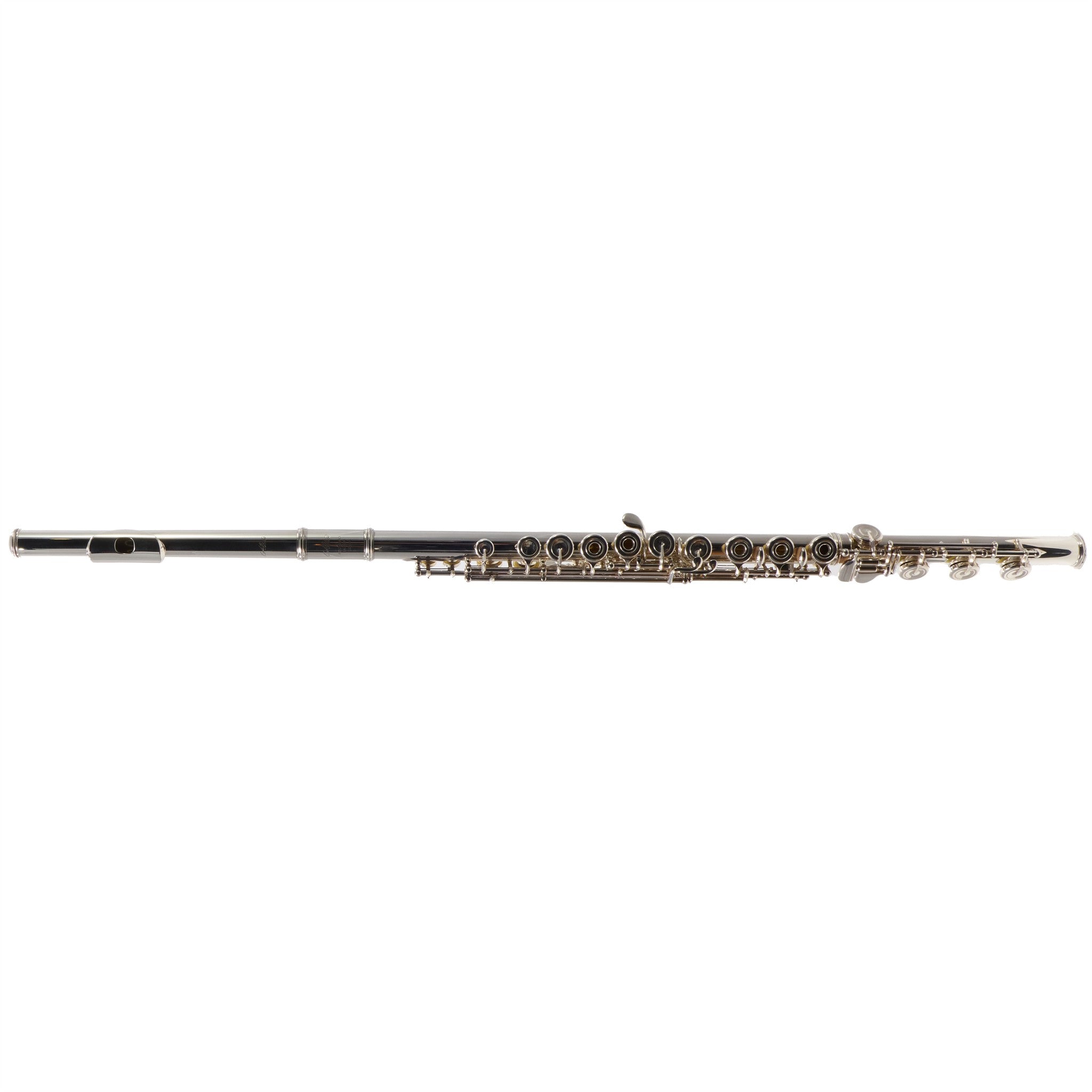
Altus Model 1607SRBEO-CD Handmade Flute
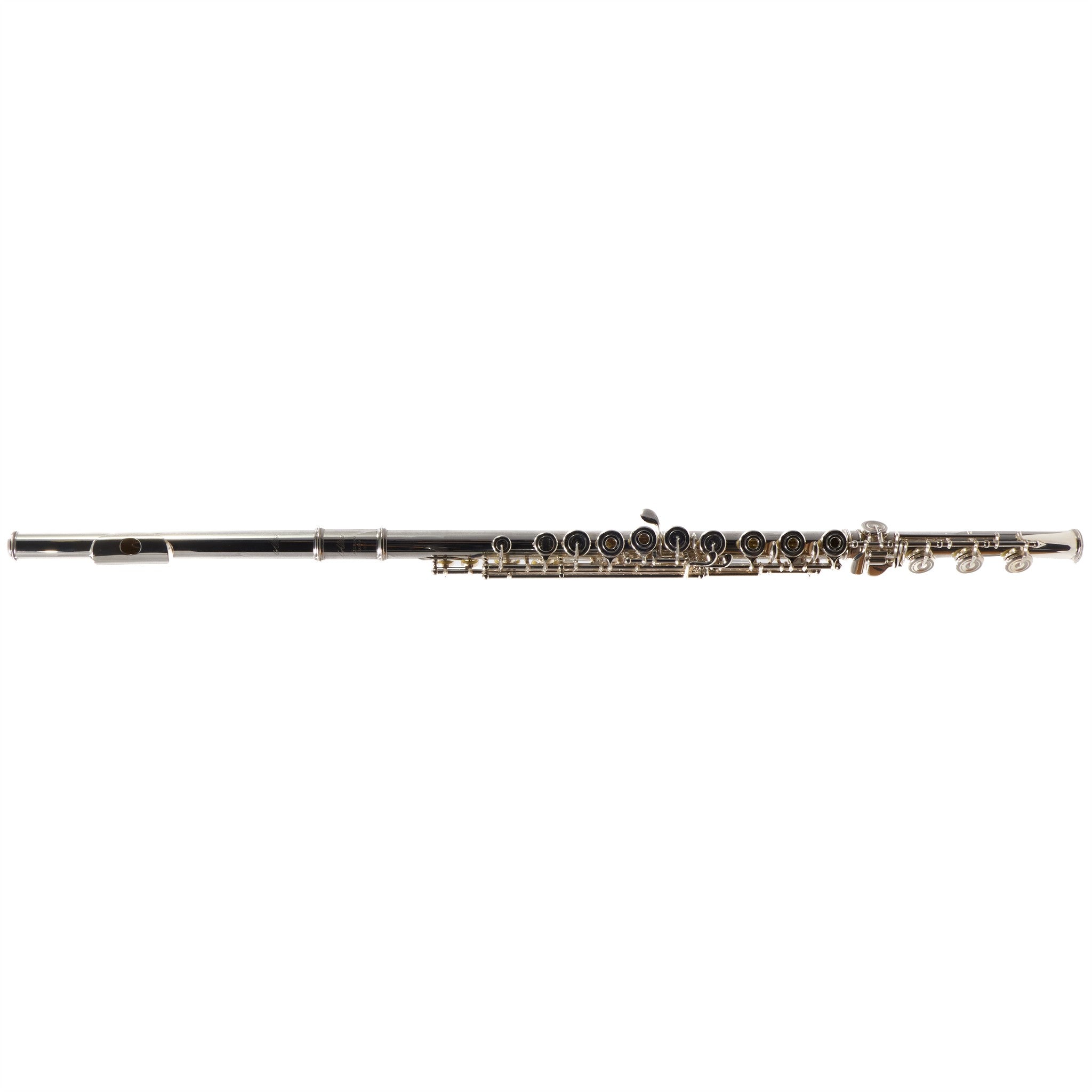
Altus Model 1507SRBEO-CD Handmade Flute
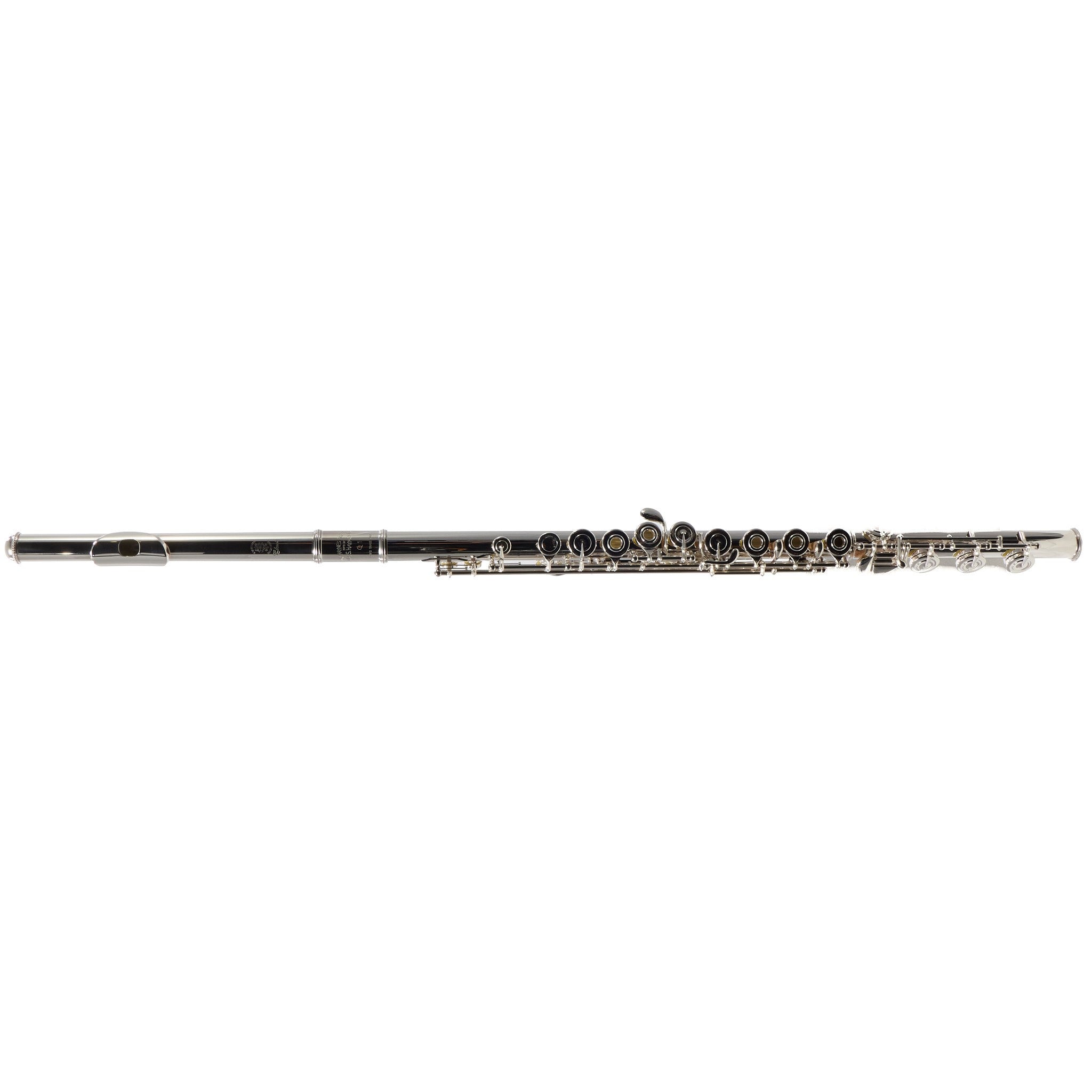
William S. Haynes Model Intermediate Flute
Selmer Model SFL611BO Open Hole Intermediate Flute
Azumi Model AZ3SRB Professional Solid Silver Flute
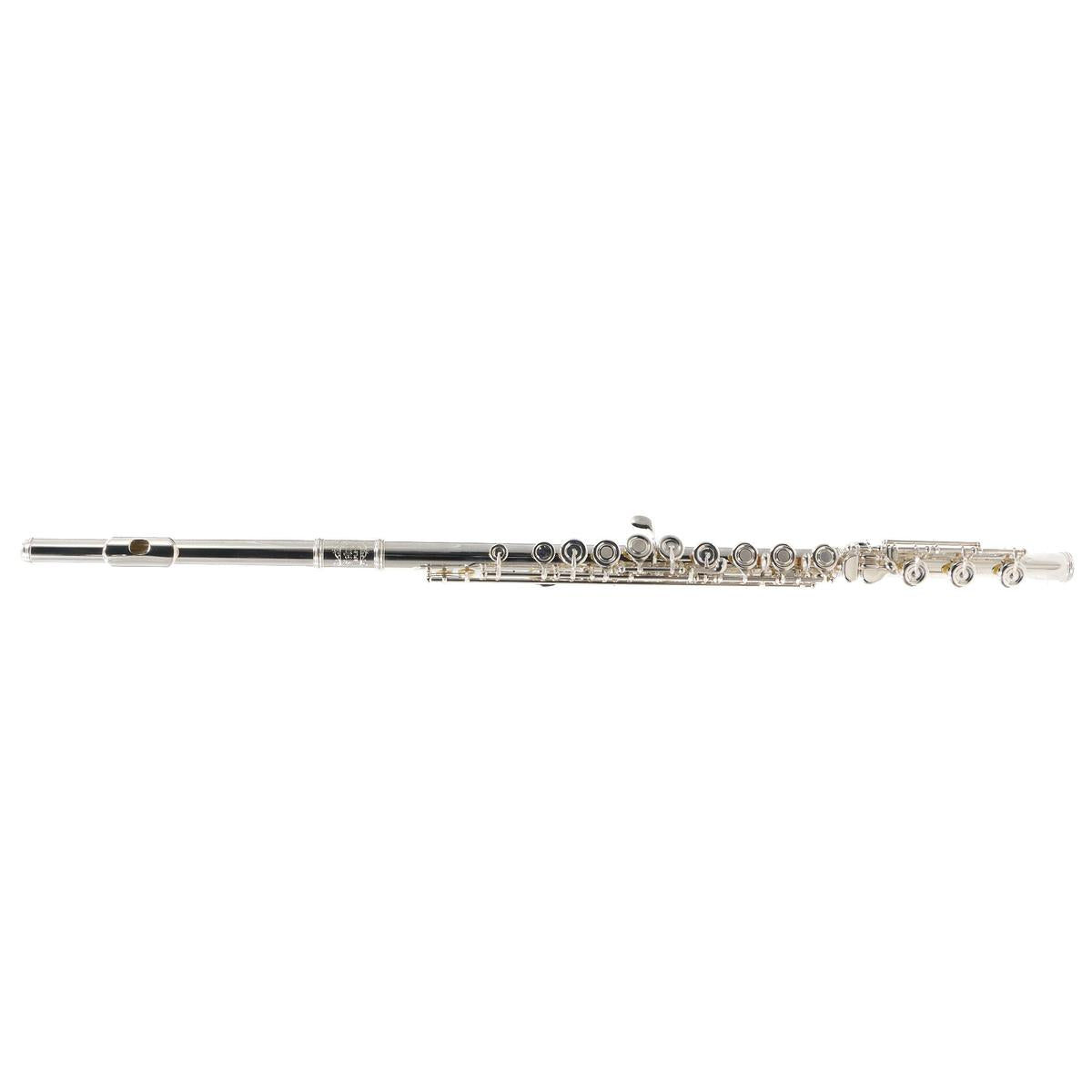
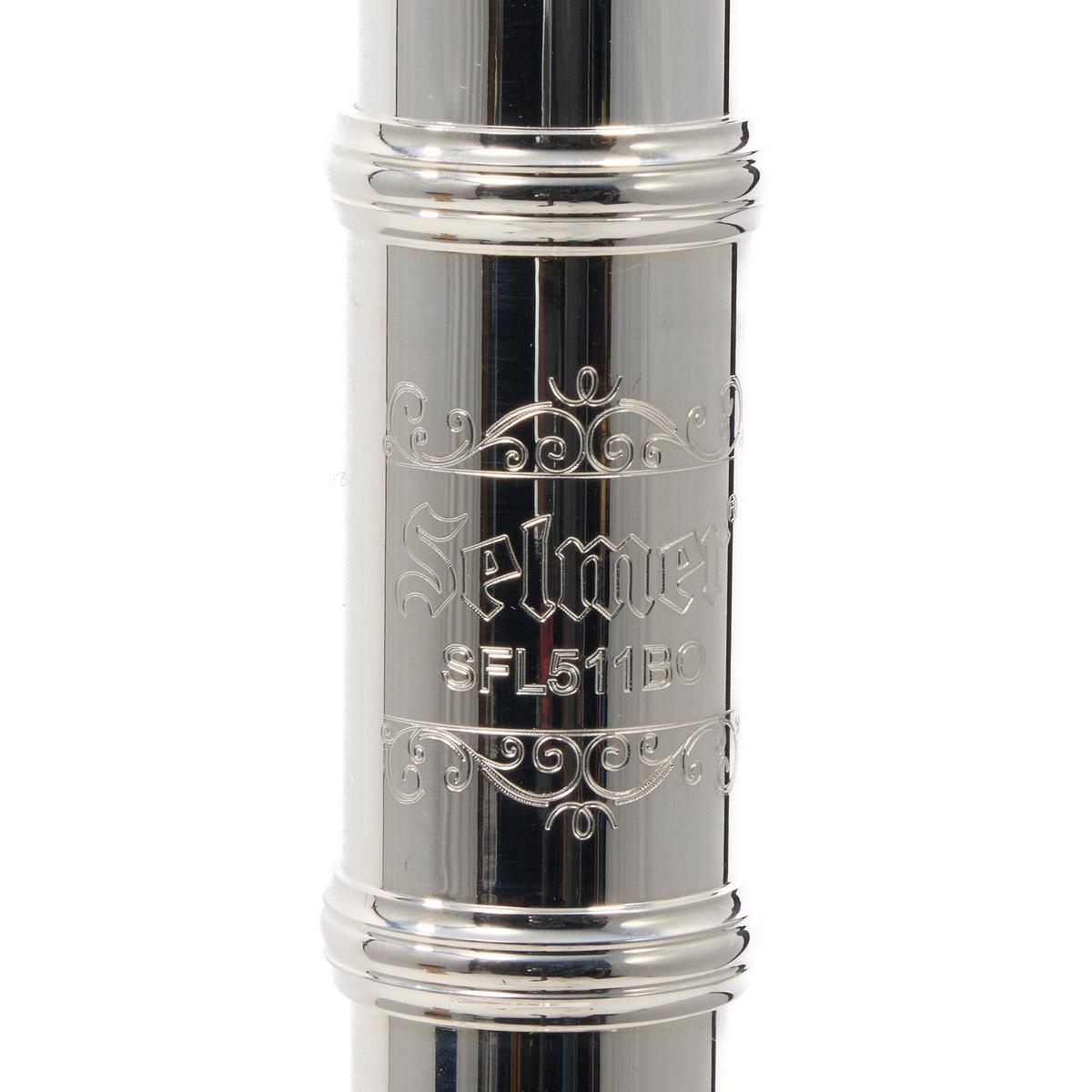
Selmer Model SFL511BO Open Hole Intermediate Flute
Altus Model 1707SRBEO-CD Handmade Solid Silver Flute
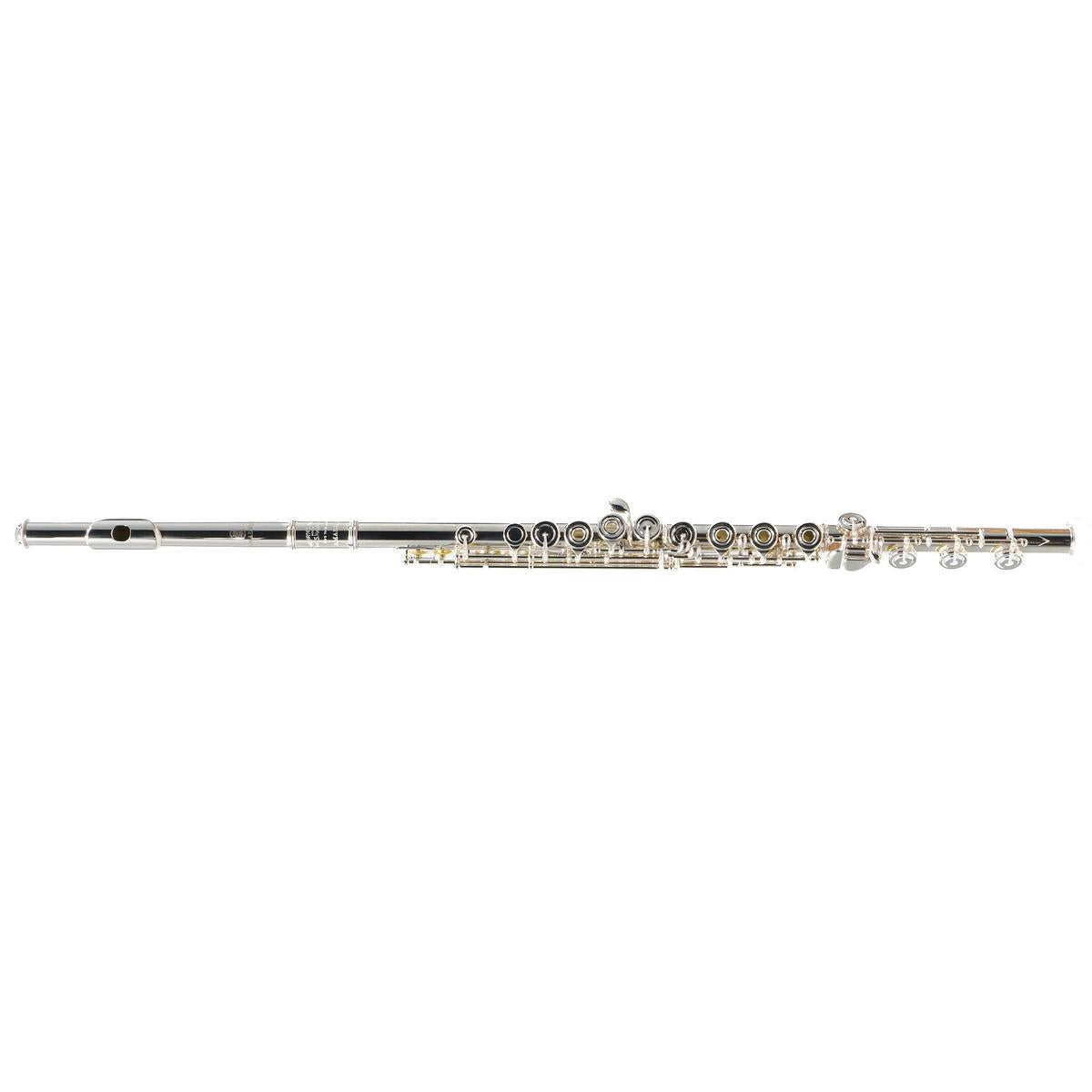
William S. Haynes Model AF680SE-BO C# 'Amadeus' Flute
William S. Haynes Model AF680-BO 'Amadeus' Flute
William S. Haynes Model AF680SE-BO C# 'Amadeus' Flute
William S. Haynes Model AF680SE-BO 'Amadeus' Flute
Flutes & Piccolos at The Mighty Quinn Brass and Winds
Explore a curated selection of flutes and piccolos for sale at The Mighty Quinn Brass and Winds, where advancing students, educators, and professional performers will find instruments chosen for exceptional tone, precision craftsmanship, and long-term reliability. Our inventory includes sterling silver and solid silver flutes, professional handmade models, step-up student flutes, and responsive piccolos crafted from grenadilla, composite, and metal—each carefully inspected and expertly set up before shipping. Whether you’re searching for a concert-ready orchestral flute with rich projection or a bright, agile piccolo that cuts effortlessly through the ensemble, we offer trusted brands, competitive pricing, and personalized service from experienced musicians. Shop with confidence and discover why discerning players nationwide choose us for premium flutes and piccolos backed by knowledgeable support and fast, secure shipping.
Browse new, refurbished, used, & vintage flutes and piccolos from top brands like Haynes, Altus, Selmer, Yamaha, Azumi, & more. Shop now to find the perfect flute to suit your playing style and budget.
Find it. Play it. Love it. ♪♫
FAQs
What is the difference between a beginner and professional flute?
Beginner flutes are typically silver-plated, durable, and designed for easy response. Professional flutes often feature solid silver (or other precious metal) components, hand-cut headjoints, and refined mechanisms for greater tonal color and projection.
What is the best flute for beginners?
Most students start on a silver-plated, closed-hole flute with a C footjoint and offset G.
What is the difference between open-hole and closed-hole flutes?
Closed-hole (plateau) flutes are easier for beginners. Open-hole (French-style) flutes allow more advanced techniques and subtle pitch control.
What is a C foot vs. B foot flute?
A C foot plays down to low C (standard for students). A B foot extends the range to low B and slightly darkens the instrument’s tone.
What Is the benefit of a solid silver headjoint?
A solid silver headjoint is often the most meaningful upgrade a flutist can make because the headjoint is where the sound is actually created. Compared to a silver-plated nickel silver headjoint, solid silver typically vibrates more freely, producing a richer, more resonant tone with greater warmth in the low register and clearer projection in the upper register. Players often notice improved responsiveness, especially in soft attacks and dynamic changes, along with a wider expressive range from delicate pianissimo to full, projecting forte. Solid silver also allows for more nuanced tone color and flexibility in phrasing, making it especially beneficial for advancing students, serious amateurs, and professionals. While craftsmanship and headjoint cut remain critically important, a well-made solid silver headjoint can significantly enhance both tonal depth and overall playing experience.
What kind of piccolo flute should I play?
Grenadilla, composite, and metal piccolos each offer distinct advantages depending on your playing environment and tonal goals. Grenadilla wood produces the warmest, most complex tone and blends beautifully in orchestral settings, but it is more sensitive to temperature and humidity. Composite piccolos provide a similar warmth with far greater stability, making them an excellent choice for outdoor performances, marching, or players who want durability without sacrificing tonal character. Metal piccolos are bright, brilliant, and highly projecting, which can be ideal for cutting through large ensembles, though they can sound more penetrating and less warm than wood. Your best choice depends on whether you prioritize warmth and blend (grenadilla), stability and versatility (composite), or maximum projection and brilliance (metal).
What is the benefit of a gold lip plate?
A gold lip plate offers both tonal and tactile benefits. Tonally, gold is slightly denser than silver and can add a subtle warmth and smoothness to the sound, often softening brightness and giving the upper register a more rounded quality. While the effect is not as dramatic as changing the entire headjoint material, many players notice a refined, more focused core to the tone. Physically, gold feels warmer and smoother against the skin, which some flutists find more comfortable during long rehearsals or performances. It can also be beneficial for players with metal sensitivities, as gold is hypoallergenic. Ultimately, a gold lip plate is a nuanced upgrade that enhances comfort and subtly enriches tonal color without fundamentally changing the character of the instrument.
How do different flute body materials affect the sound?
Plating material has far less impact on sound than the base metal and headjoint design, but it can influence subtle aspects of tone, response, and feel. Here’s how the common finishes compare:
Nickel Silver (German Silver)
Nickel silver is an alloy containing copper, nickel, and zinc. When used as a base metal (often under silver plating), it tends to produce a clear, focused, and slightly brighter sound. The brightness many players associate with “student flutes” comes more from the nickel silver body construction than from the thin silver plating on top.
Silver Plating
Silver plating over nickel silver slightly softens the tonal edge compared to raw nickel silver and improves surface resonance. However, because plating is extremely thin, its acoustic impact is subtle. The primary tonal character still comes from the underlying metal and headjoint cut. When the tube itself is solid silver rather than plated, the difference becomes more noticeable. Solid silver generally produces greater depth, resonance, and complexity, especially in the low and middle registers
Gold Plating
Gold plating can add a touch of warmth and smoothness to the tone, often softening brilliance and slightly darkening the sound. Again, because plating is thin, the effect is subtle compared to a solid gold headjoint or body. Many players choose gold plating as much for feel and aesthetics as for tonal nuance.
Platinum Plating
Platinum is very dense and can contribute to a highly focused, powerful core to the sound. When used as plating, its tonal effect is modest but may increase projection and stability in the upper register. Solid platinum components, however, create a significantly heavier and more concentrated sound.