Saxophones
55 of 94 products
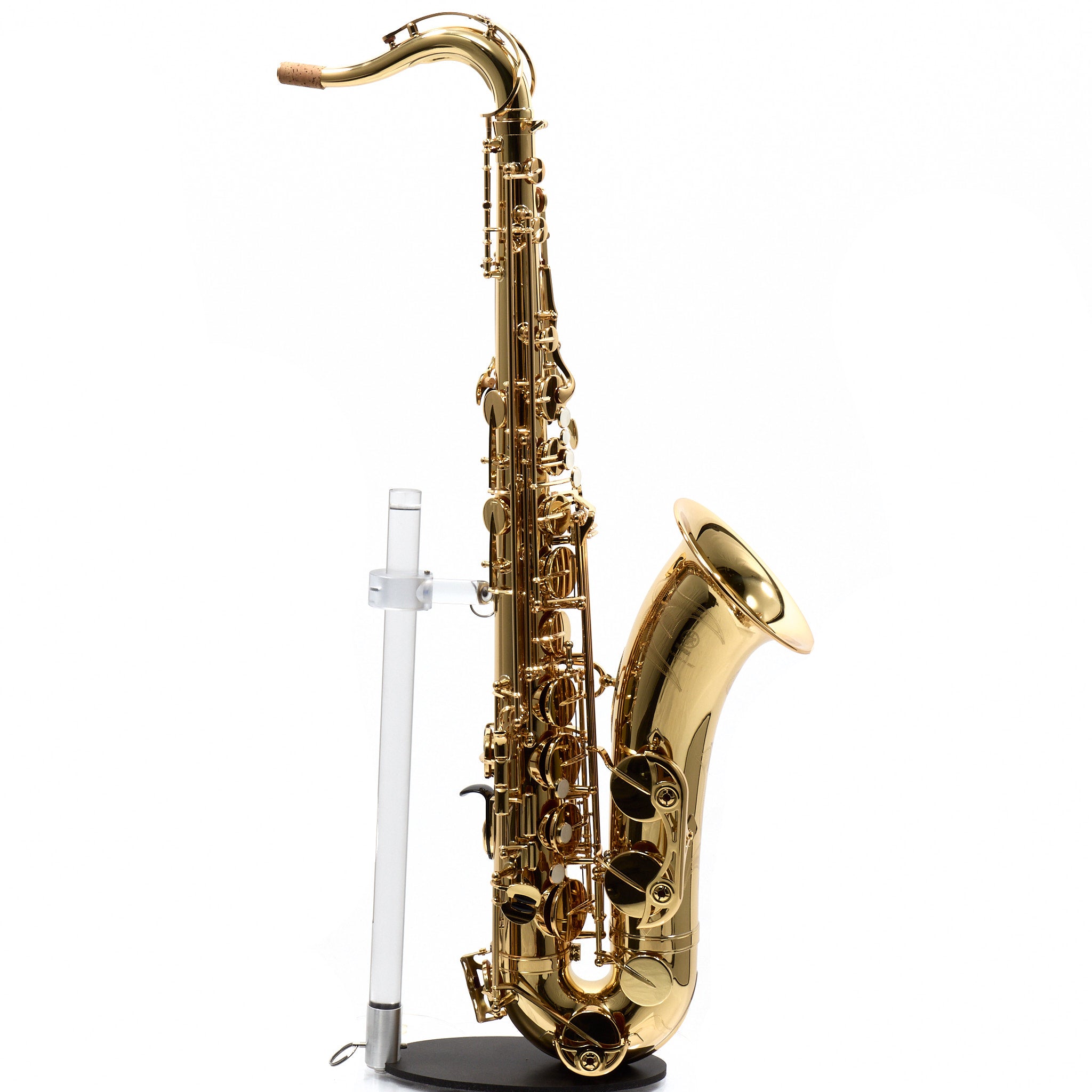
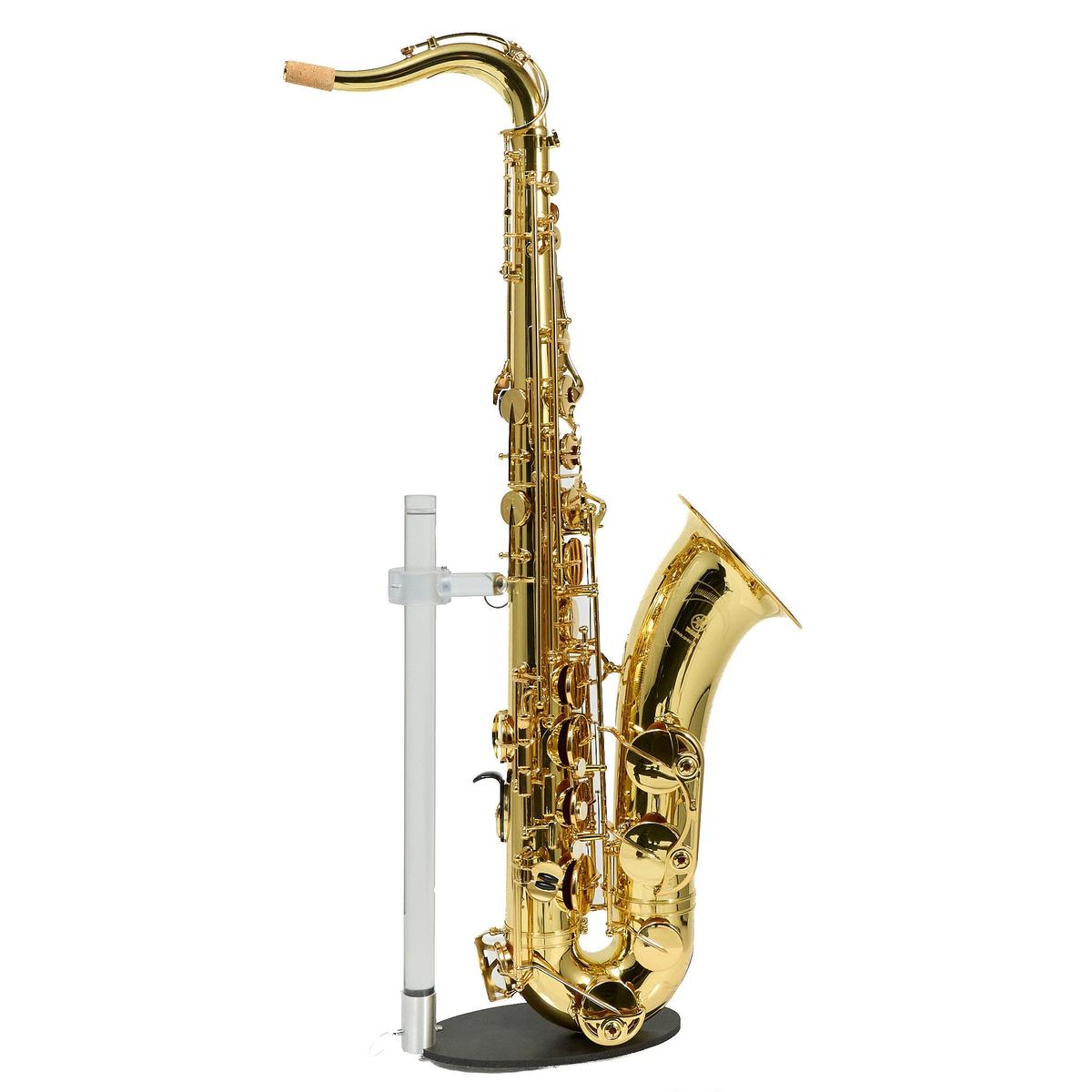
Yamaha YTS-62III Professional Tenor Saxophone in Lacquer
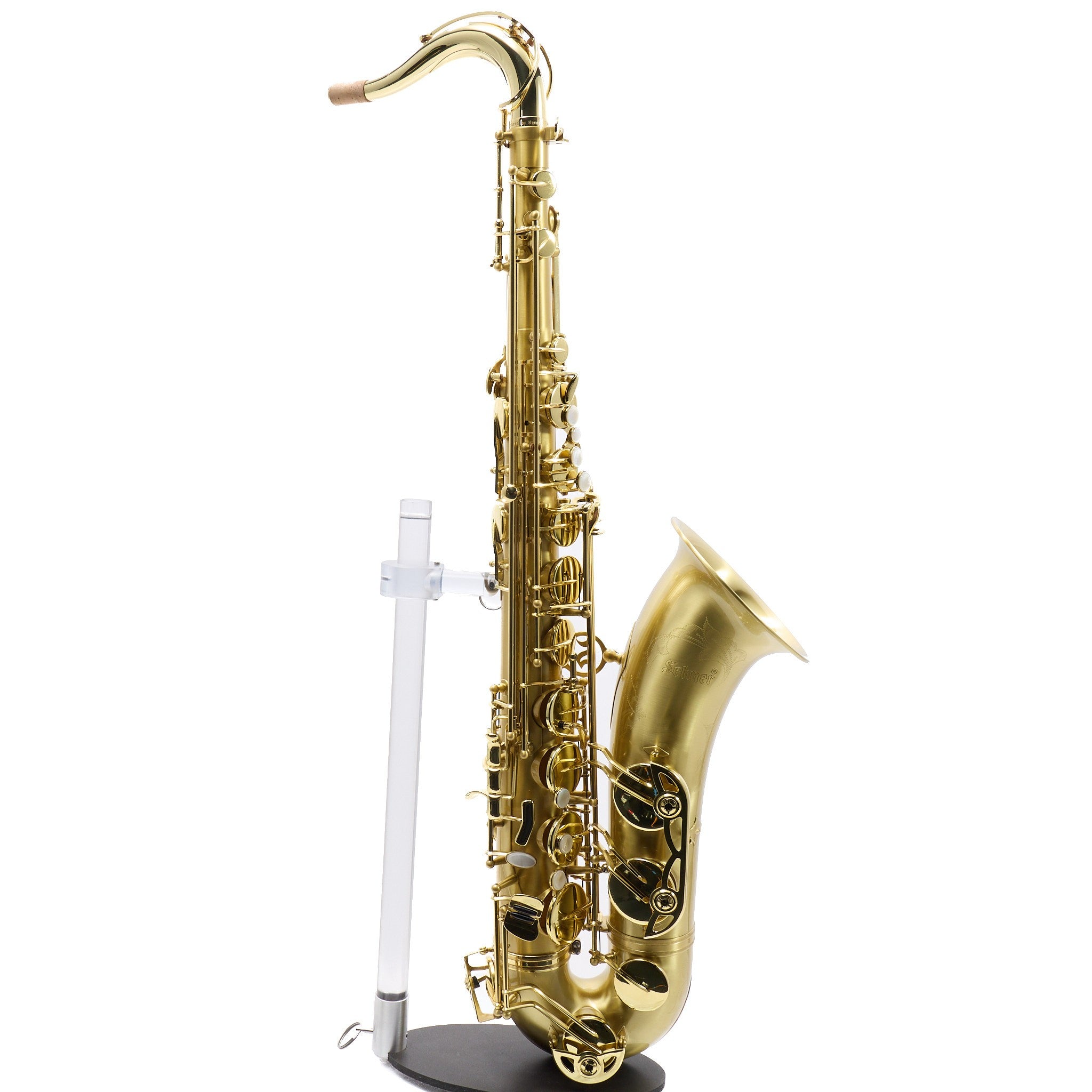
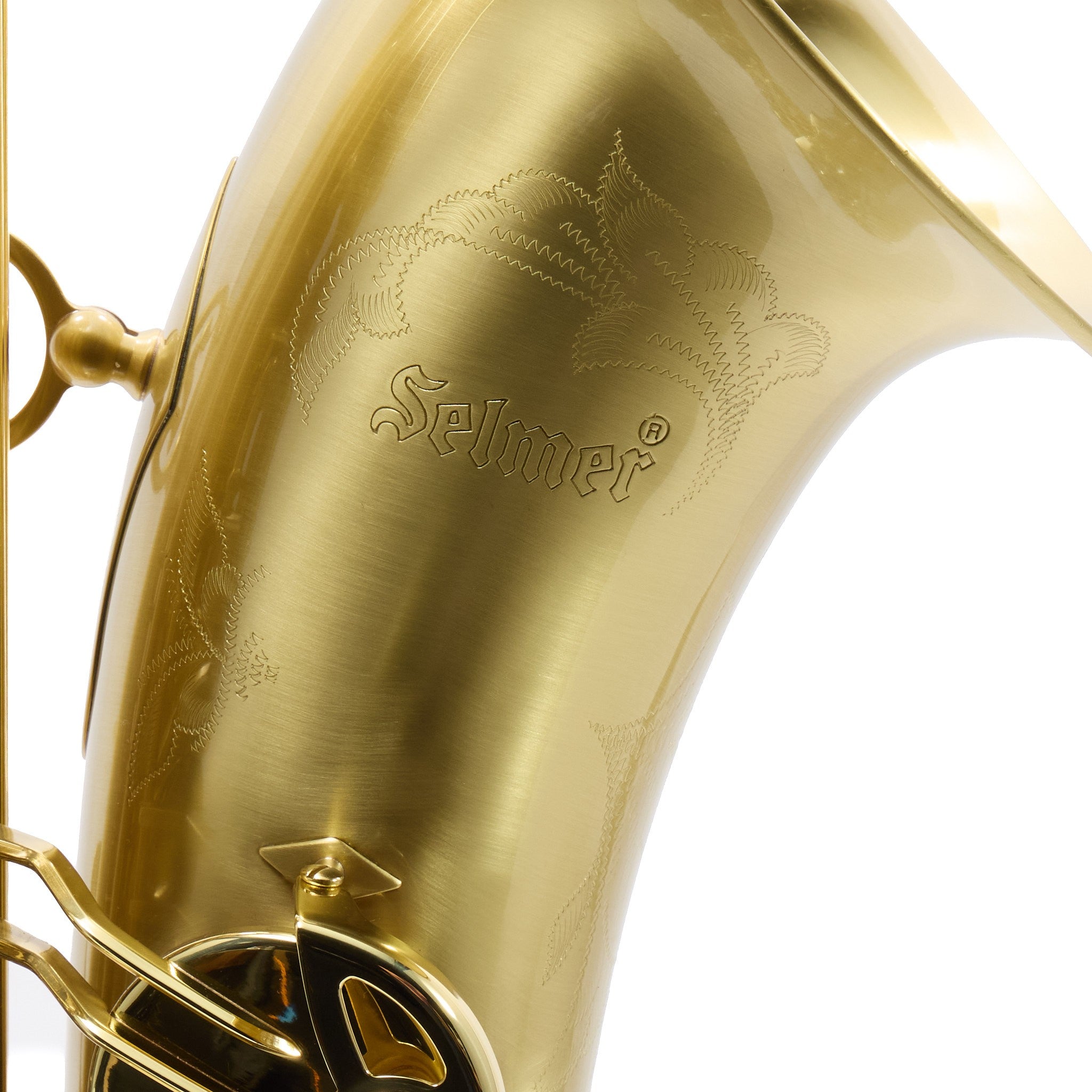
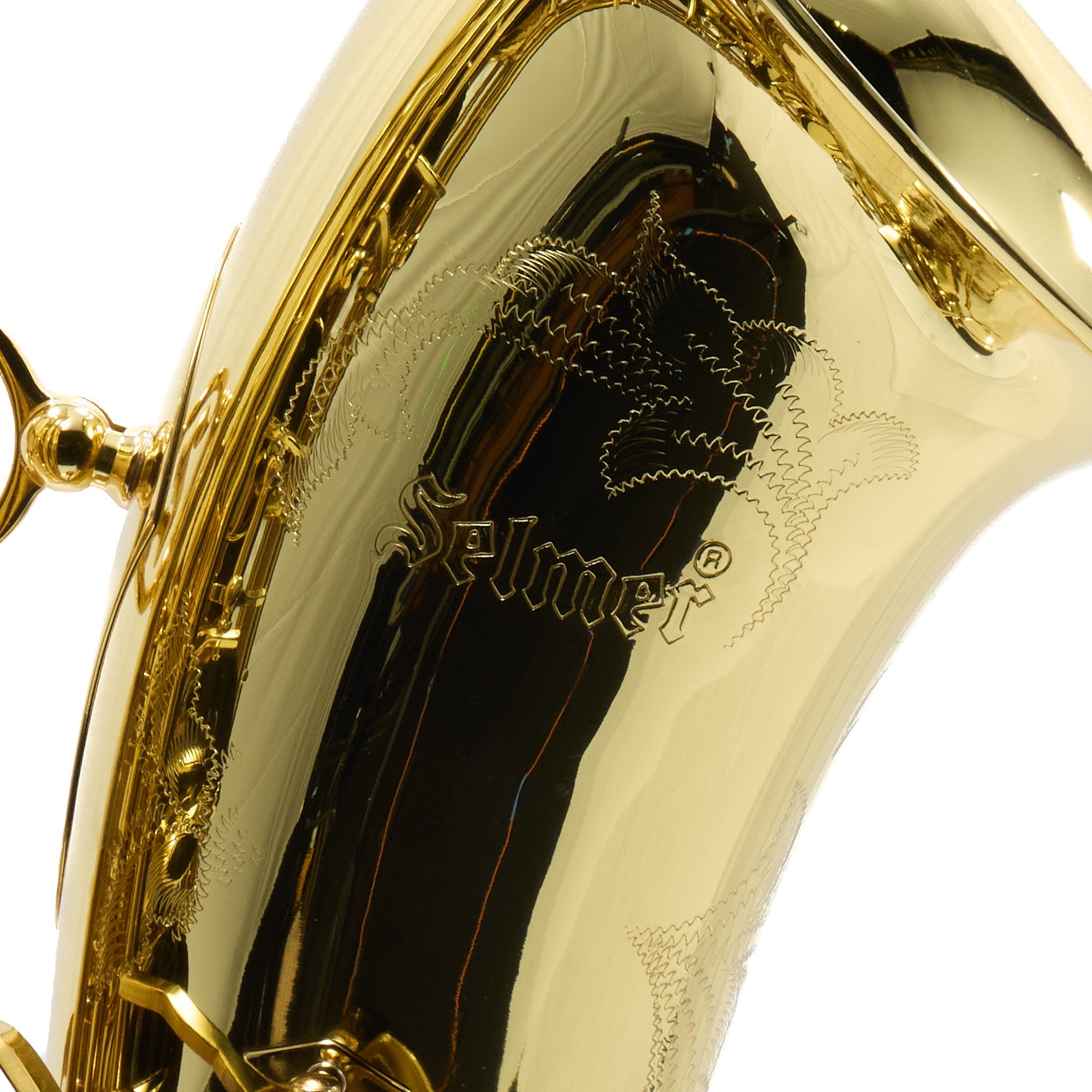
Selmer STS711M Professional Tenor Saxophone in Matte Lacquer
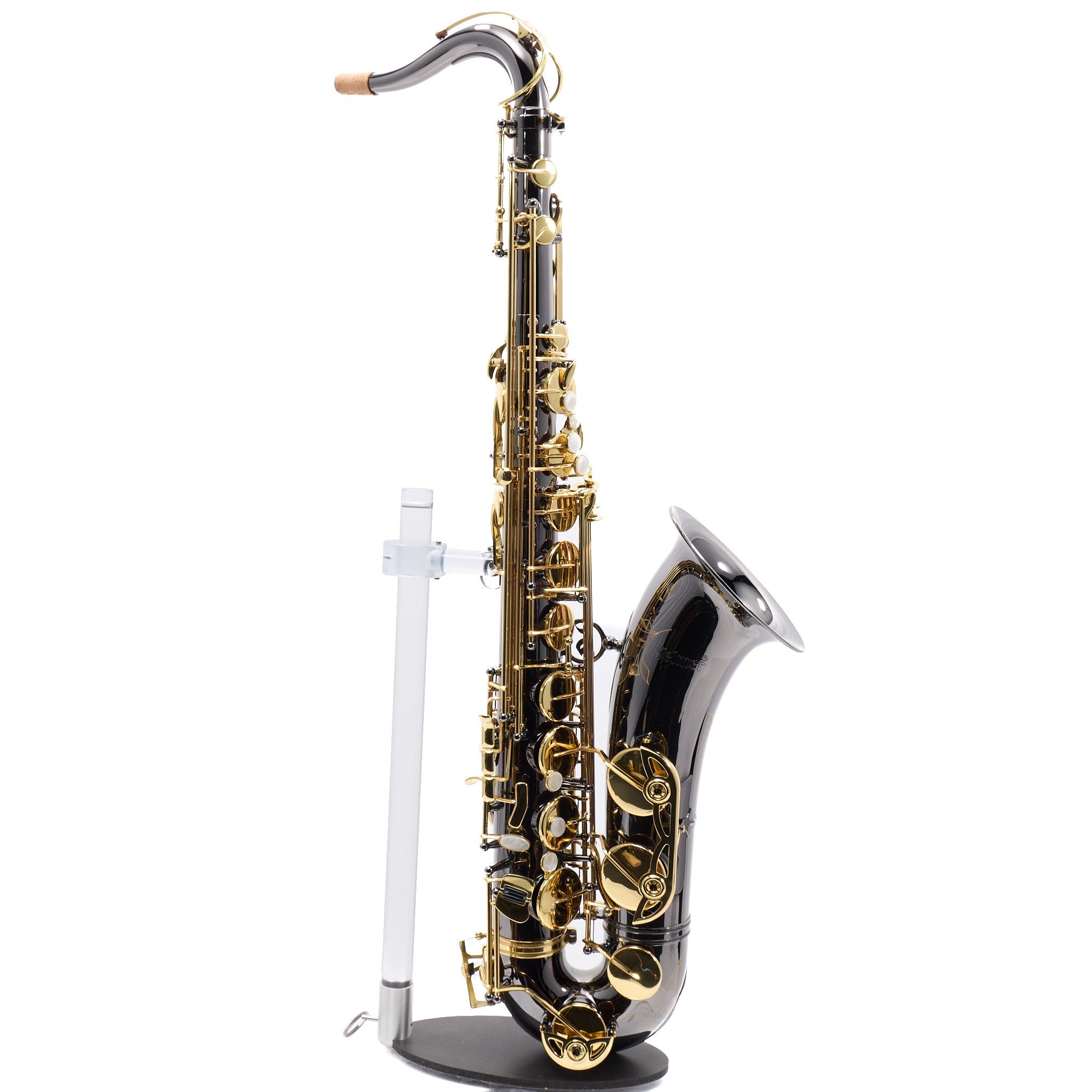
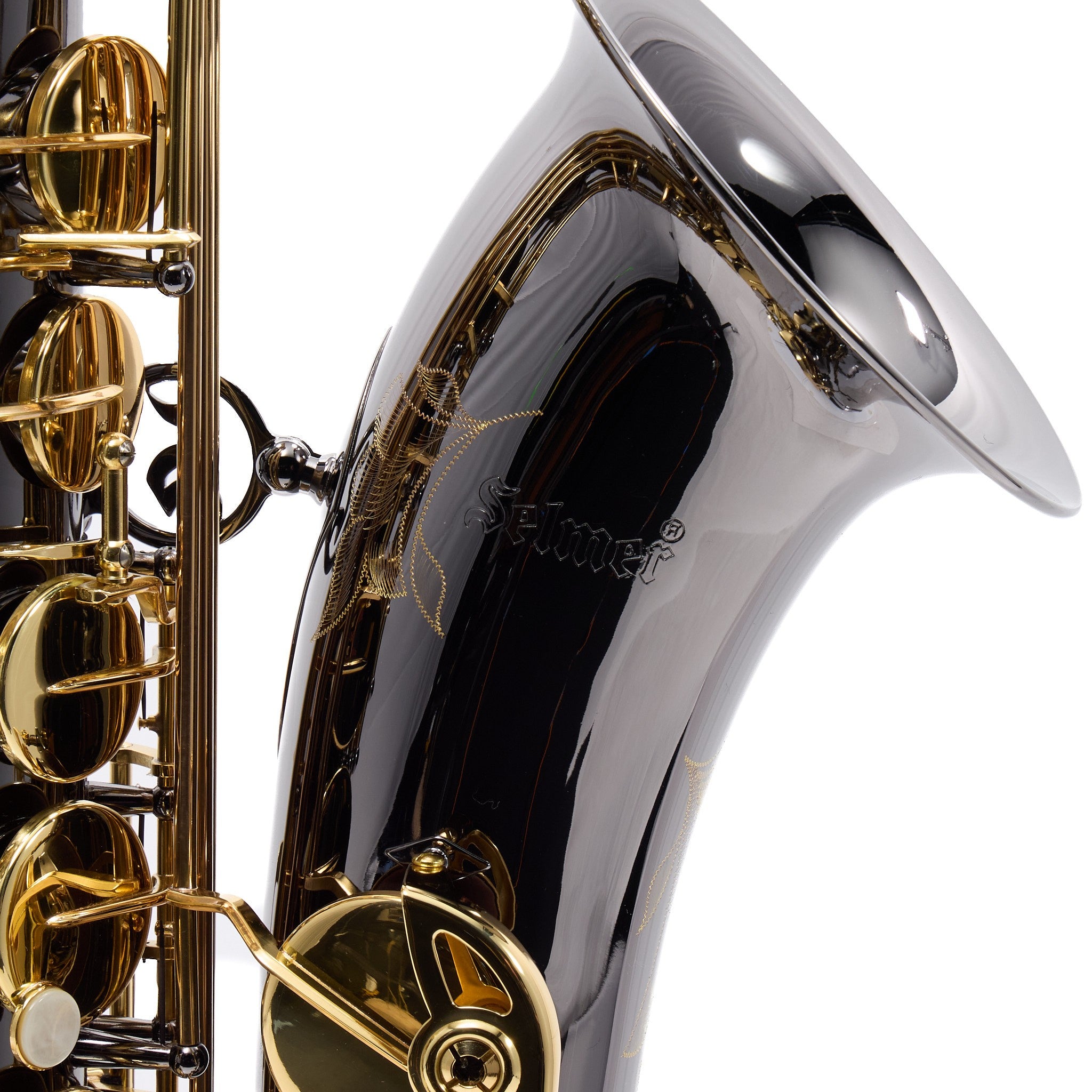
Selmer STS511B Intermediate Tenor Saxophone in Black Lacquer
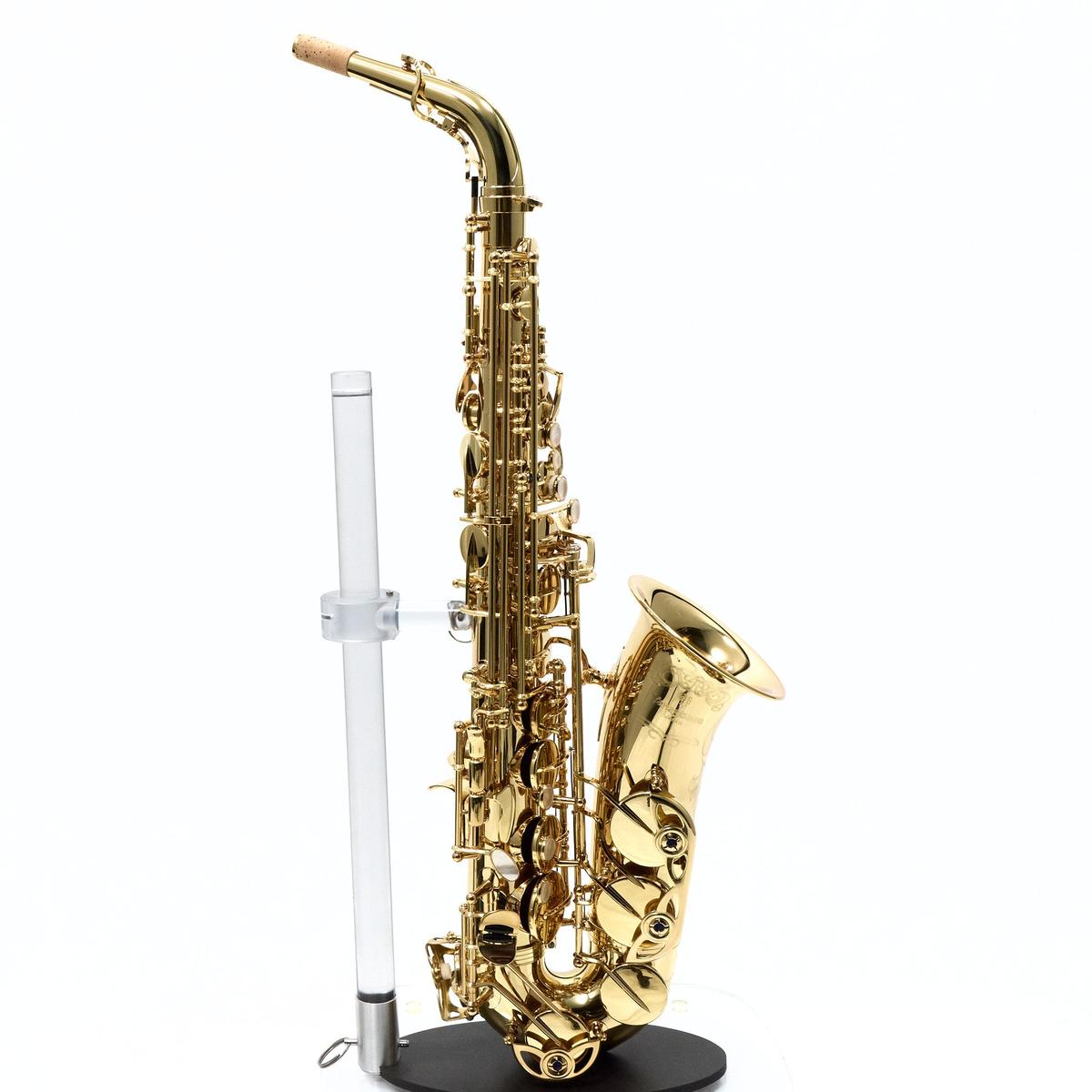
Yanagisawa AWO10 'Elite' Professional Alto Saxophone
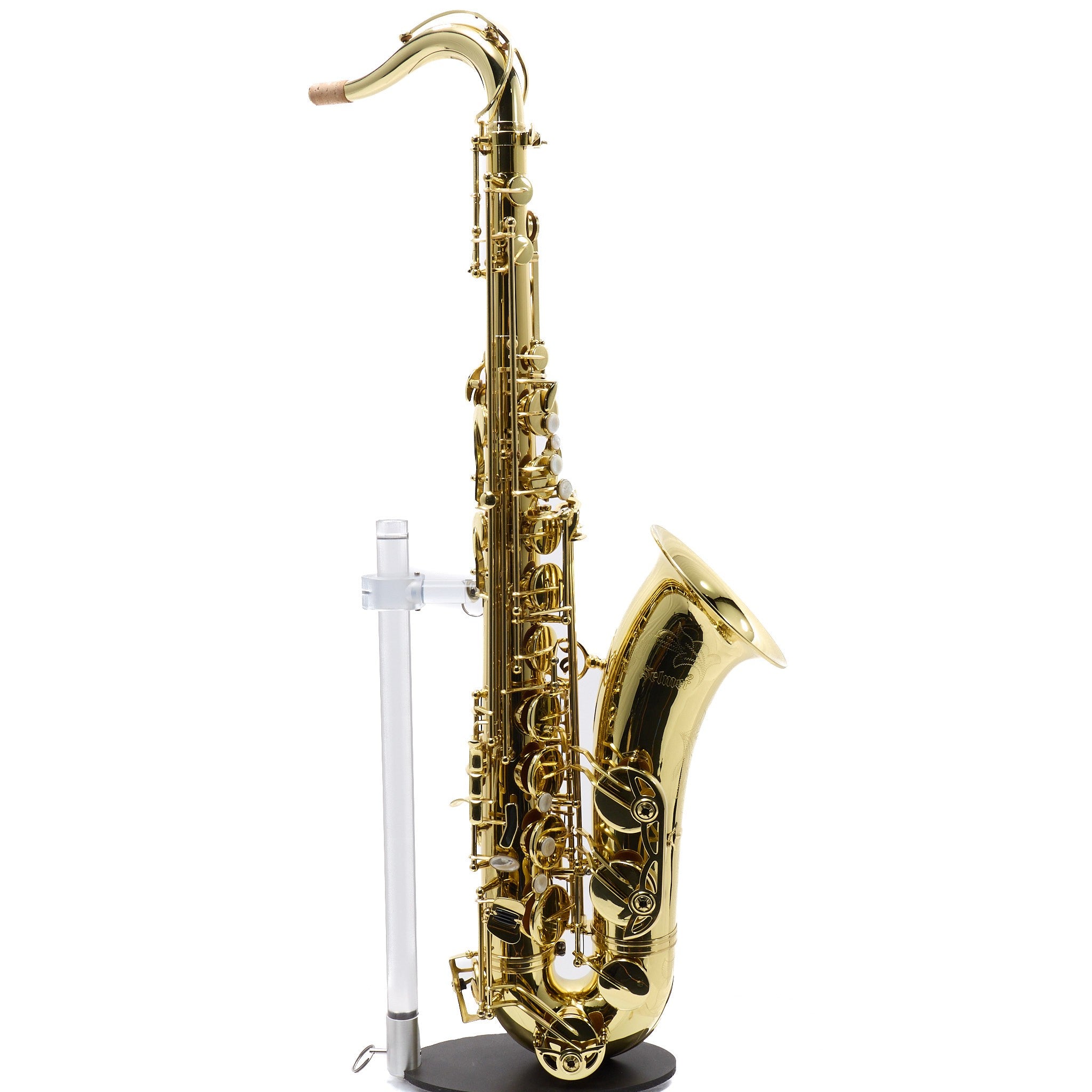
Selmer STS711 Professional Tenor Saxophone in Clear Lacquer
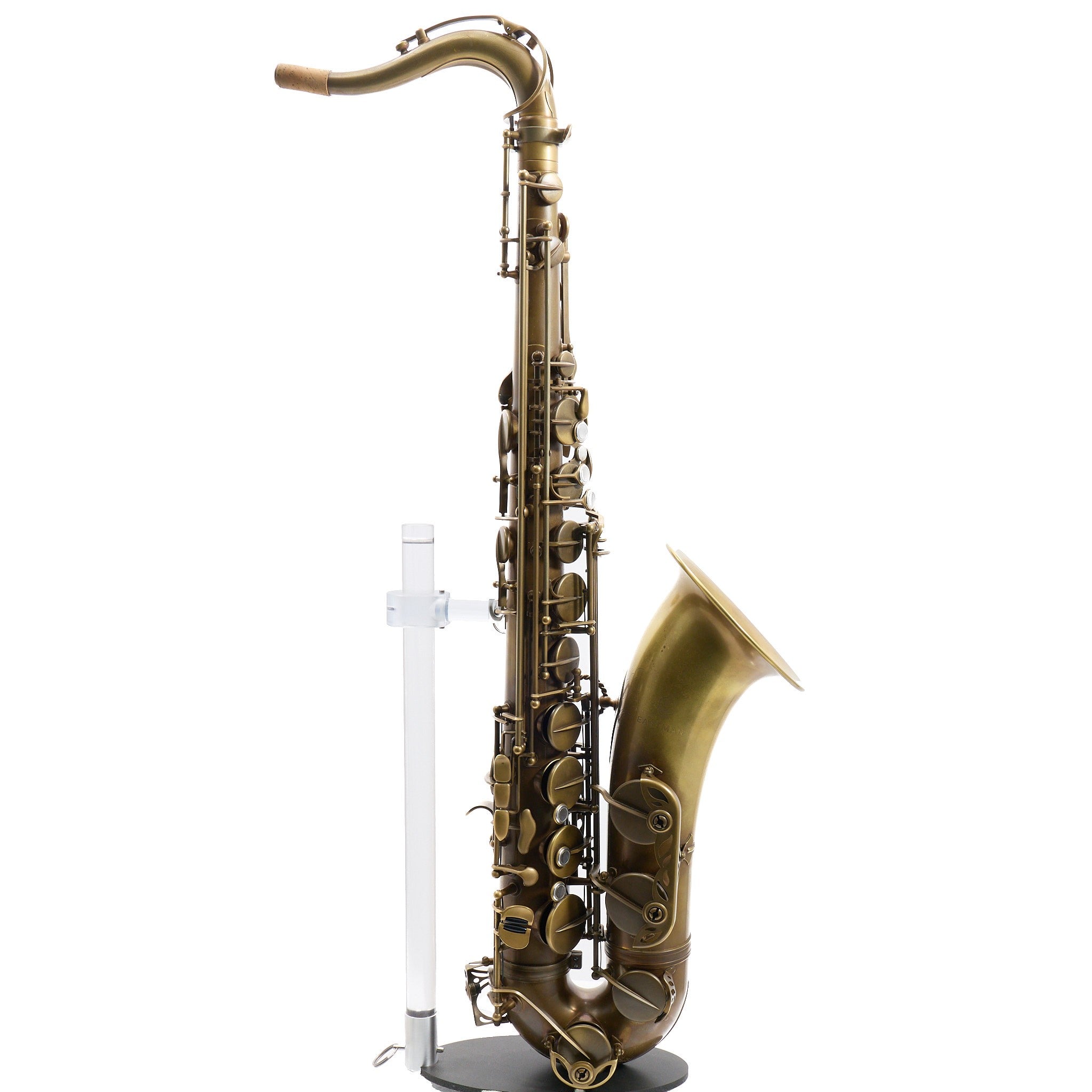
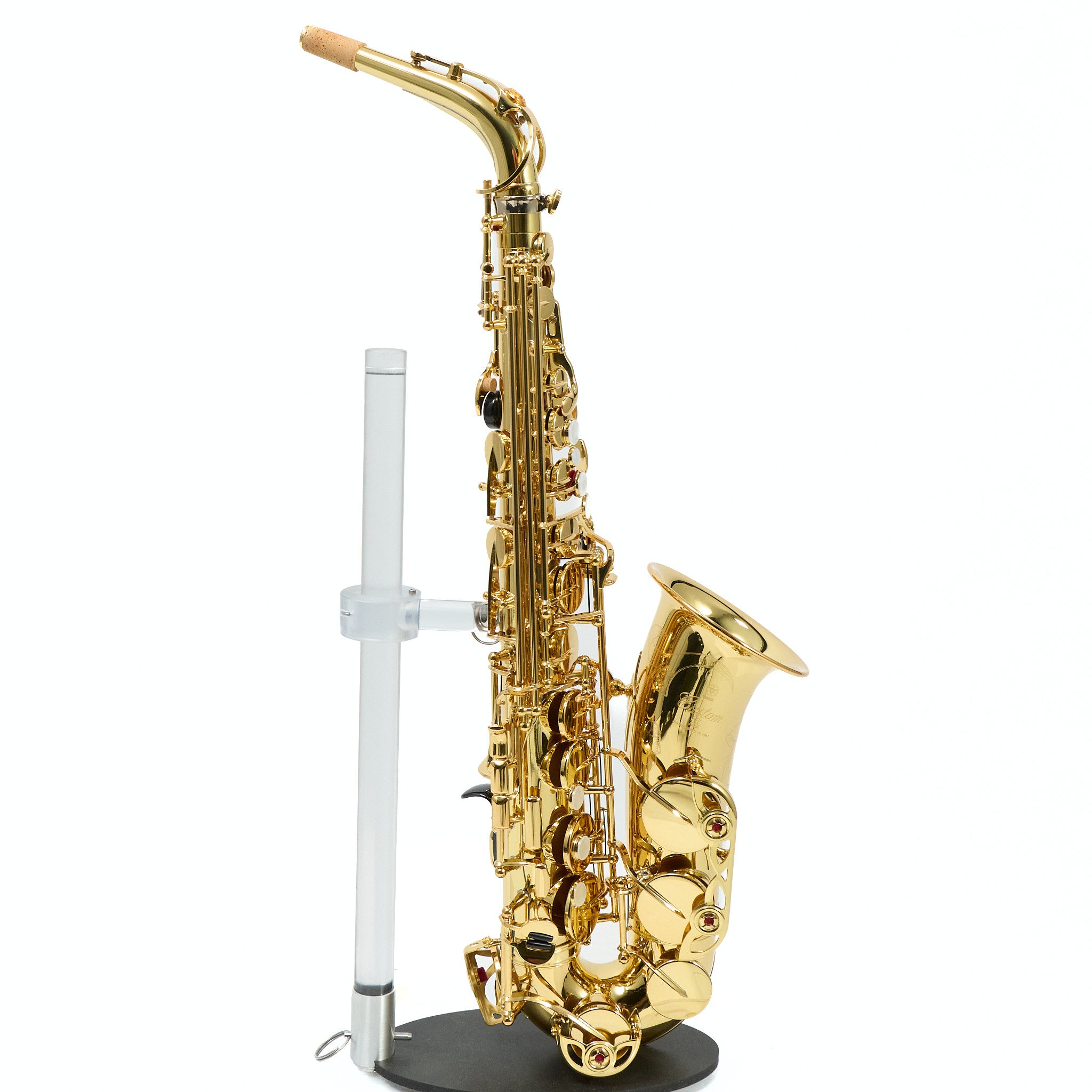
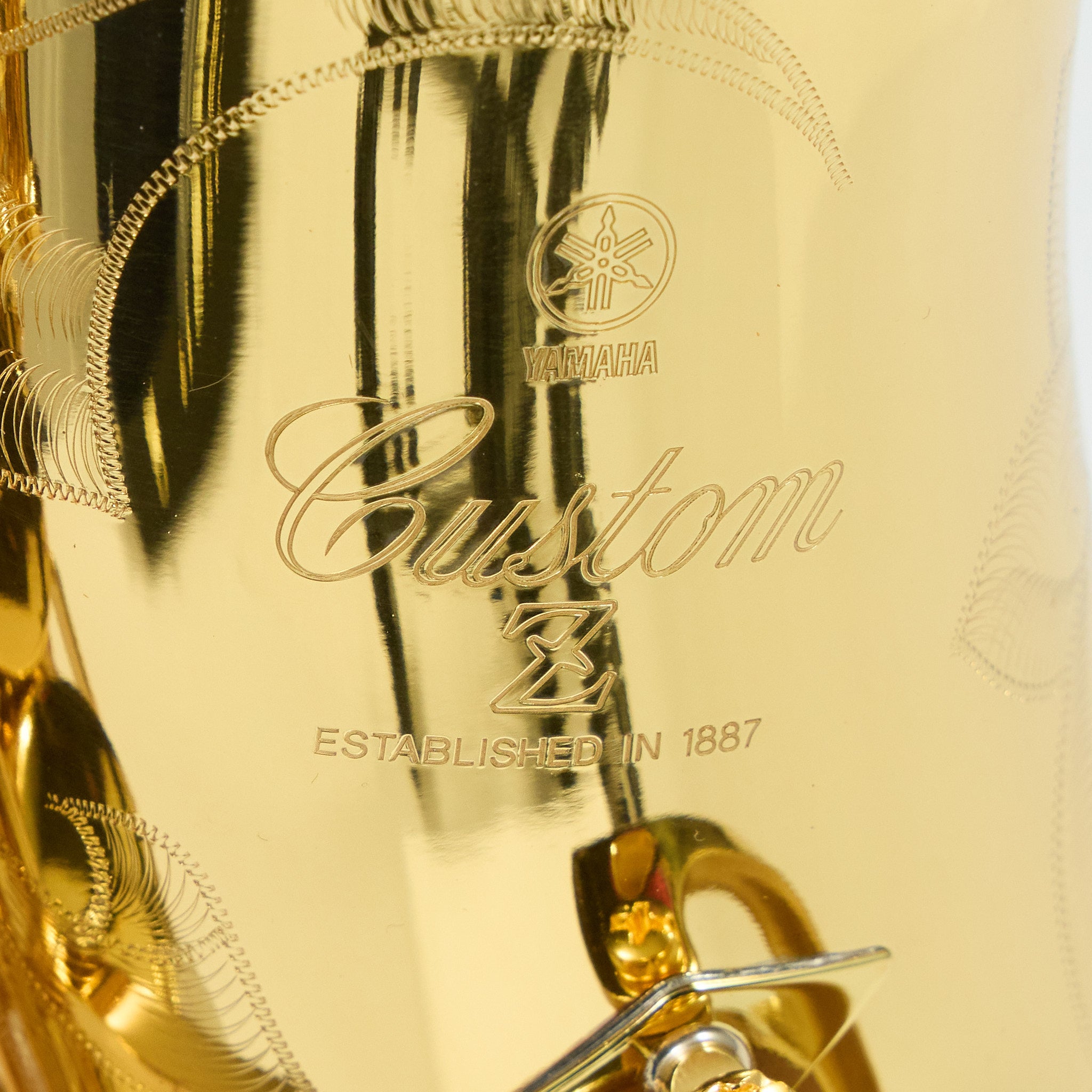
Yamaha YAS-82ZII 'Custom Z' Alto Saxophone
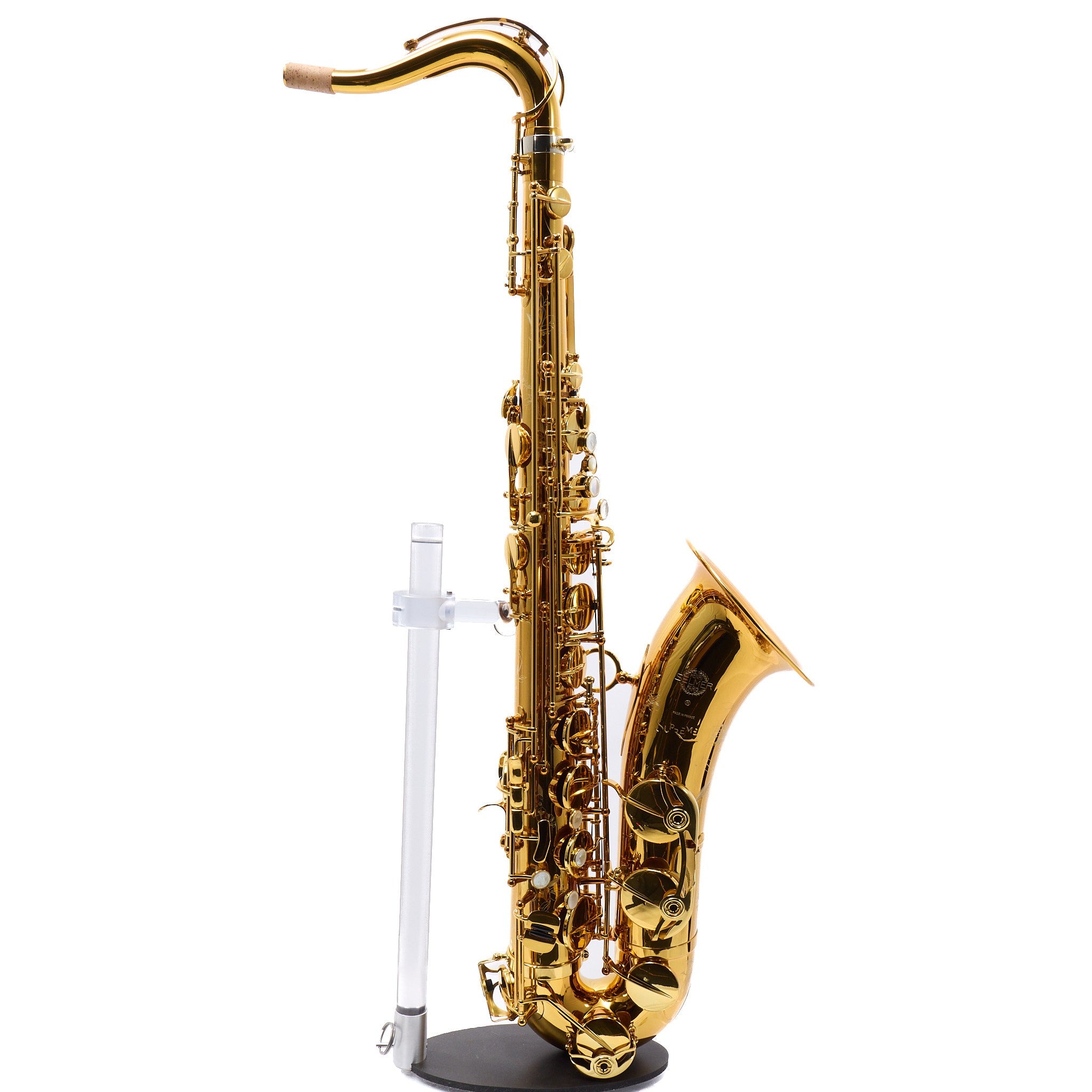
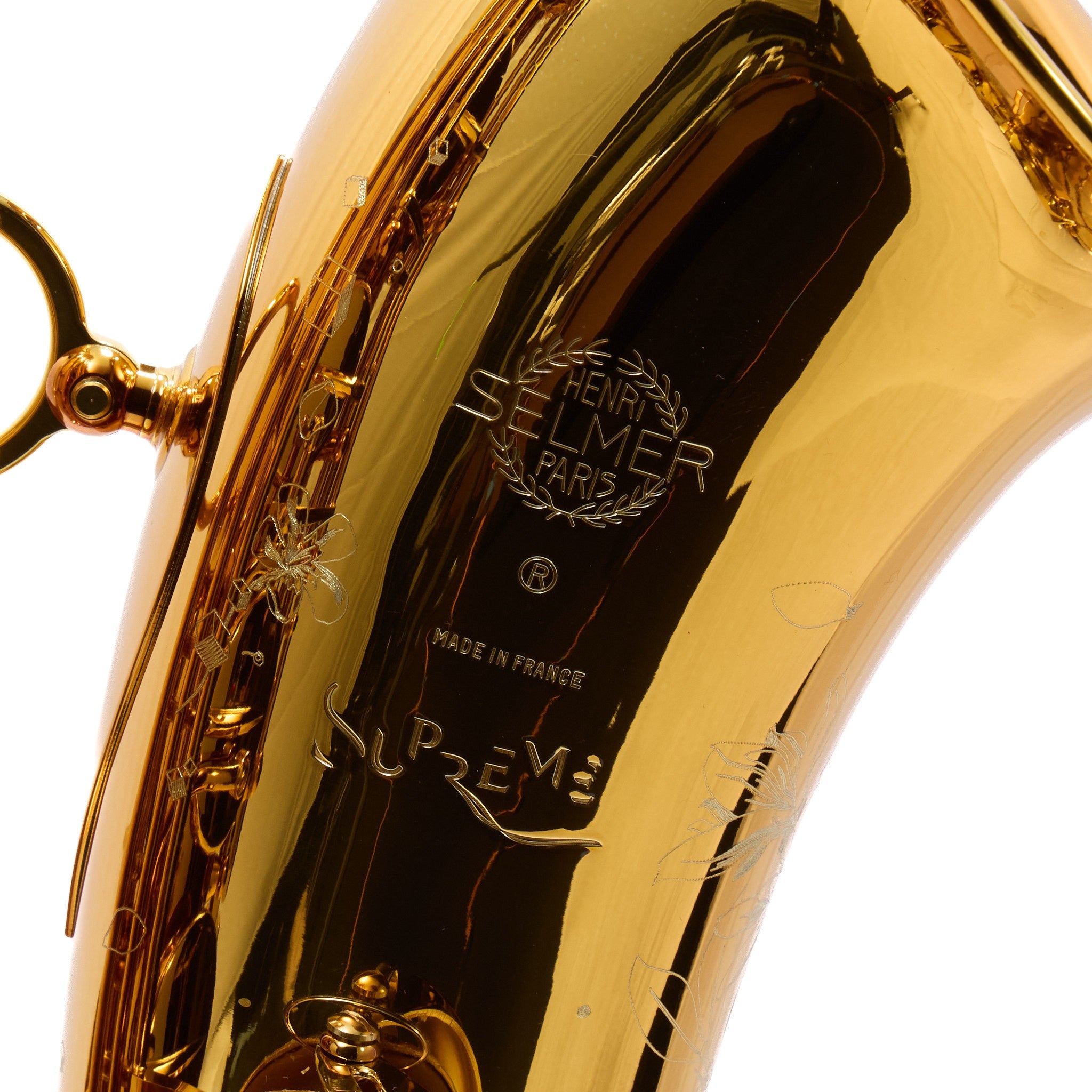
Selmer Paris 94DL 'Supreme' Tenor Saxophone
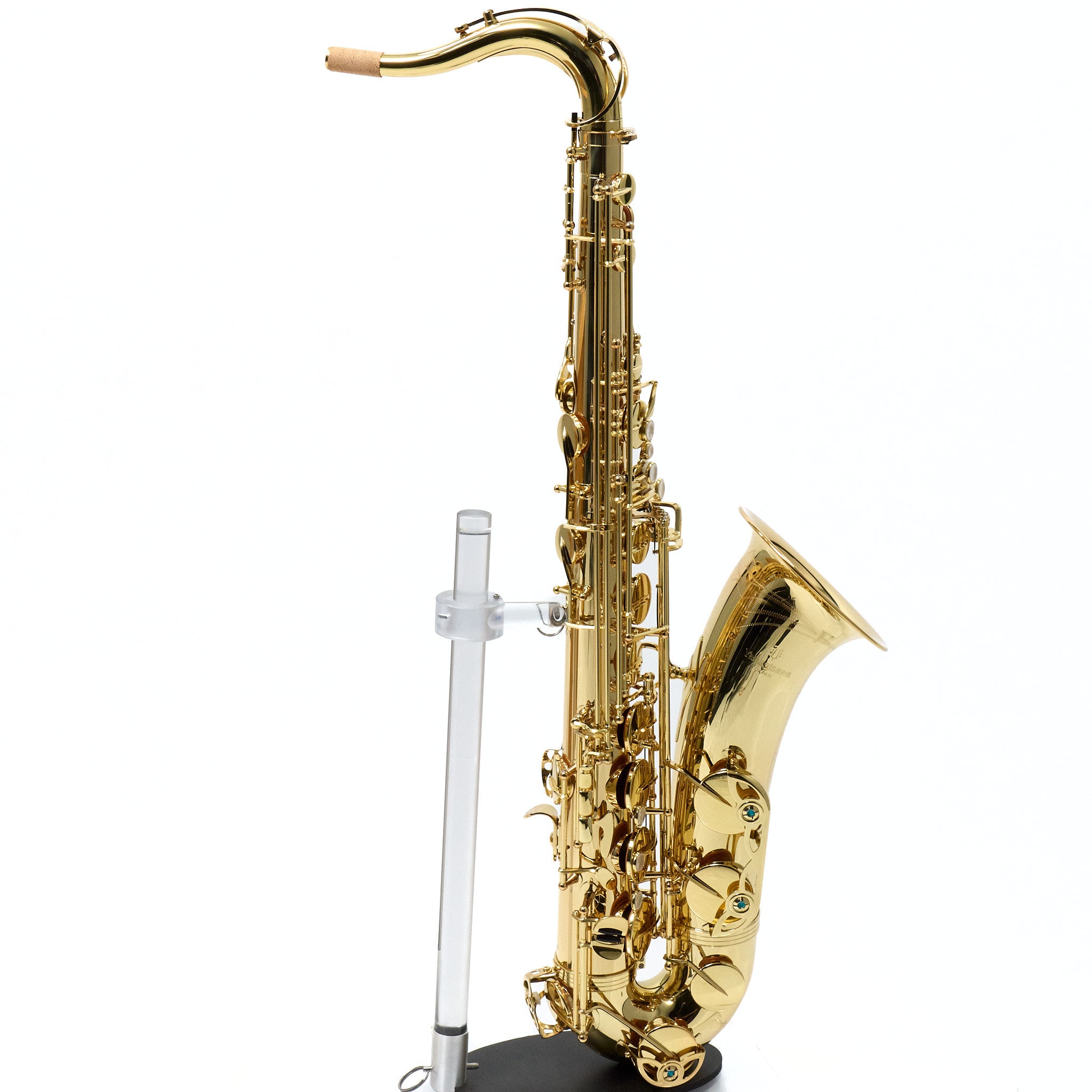
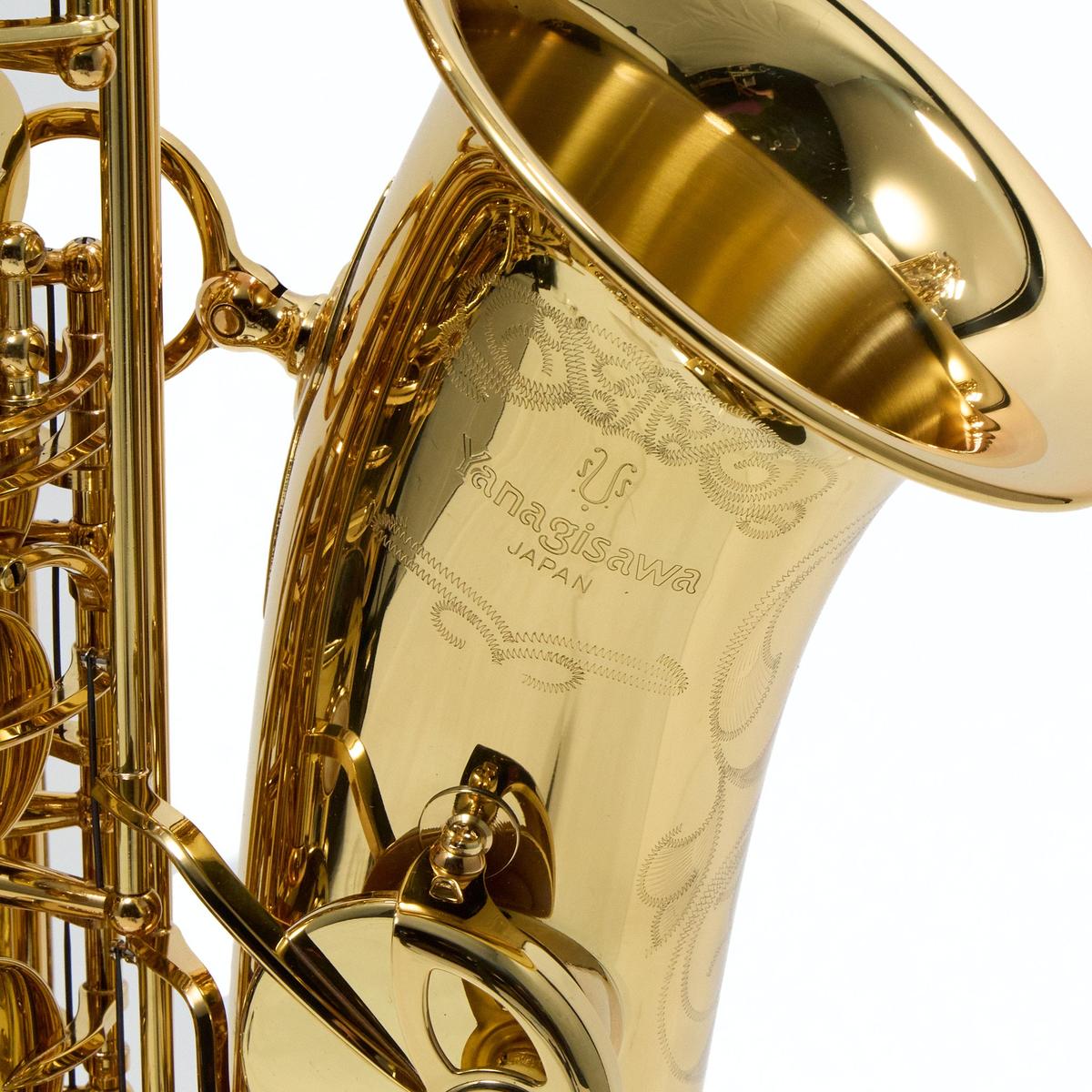
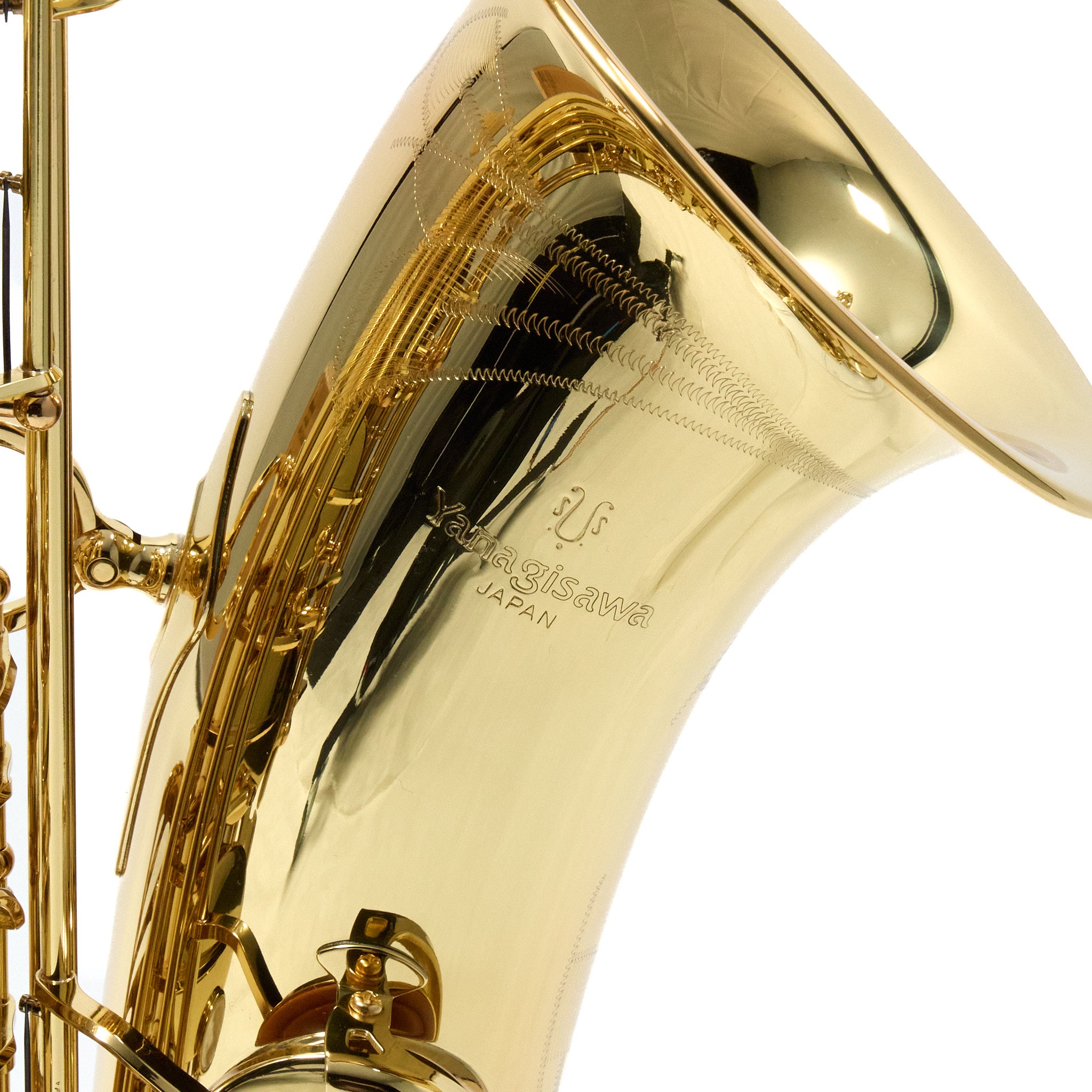
Yanagisawa TWO1 Professional Tenor Saxophone
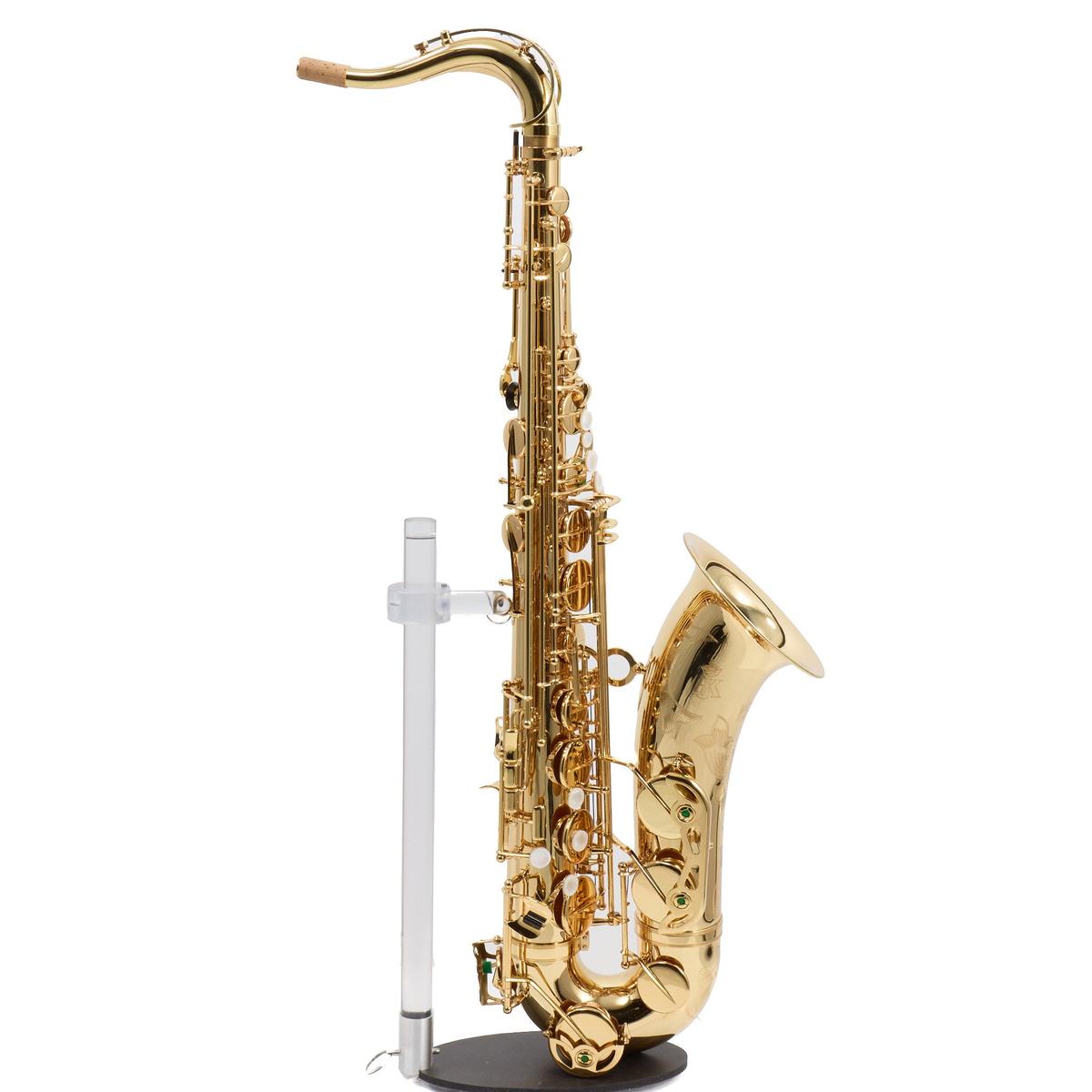
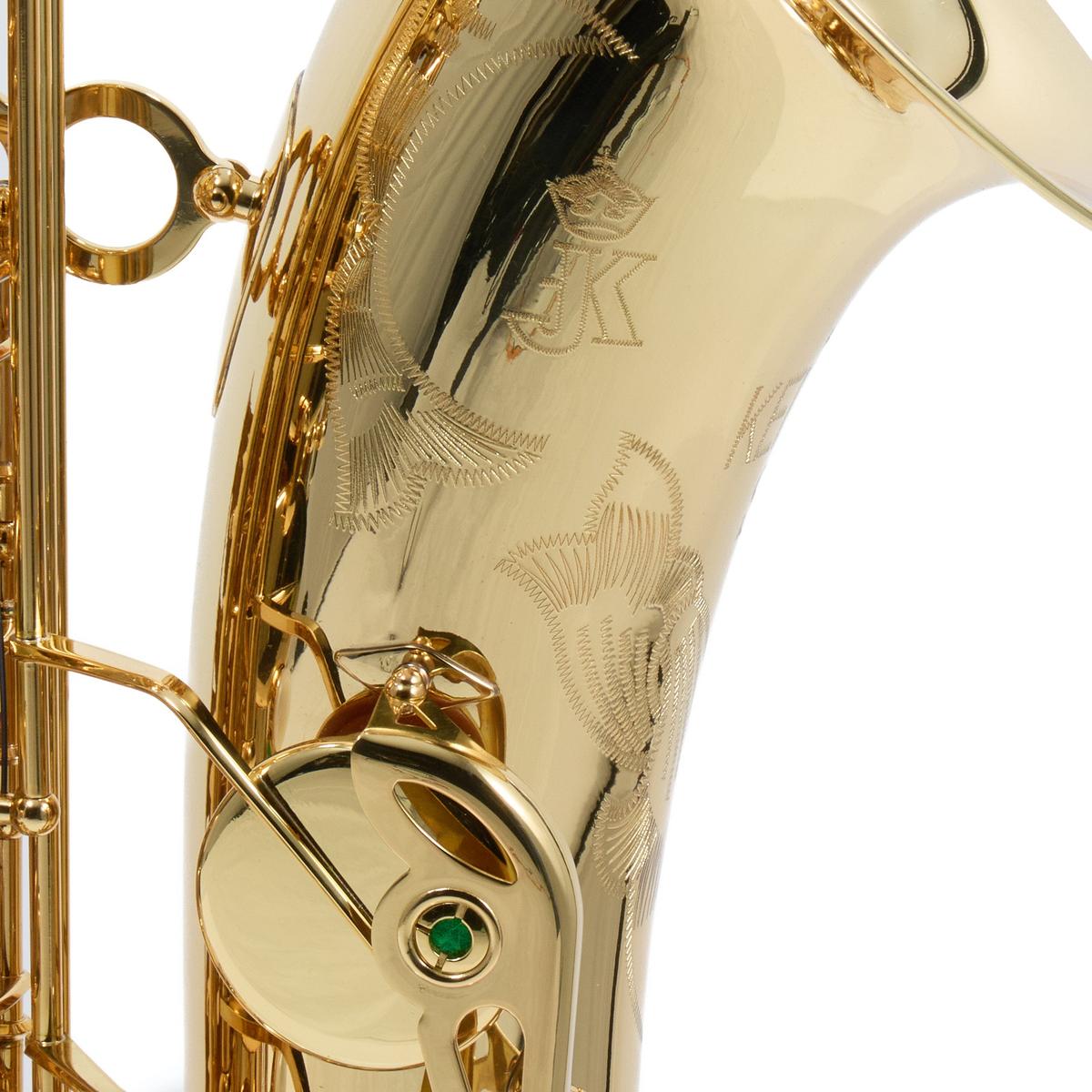
Keilwerth SX-90R Professional Tenor Saxophone
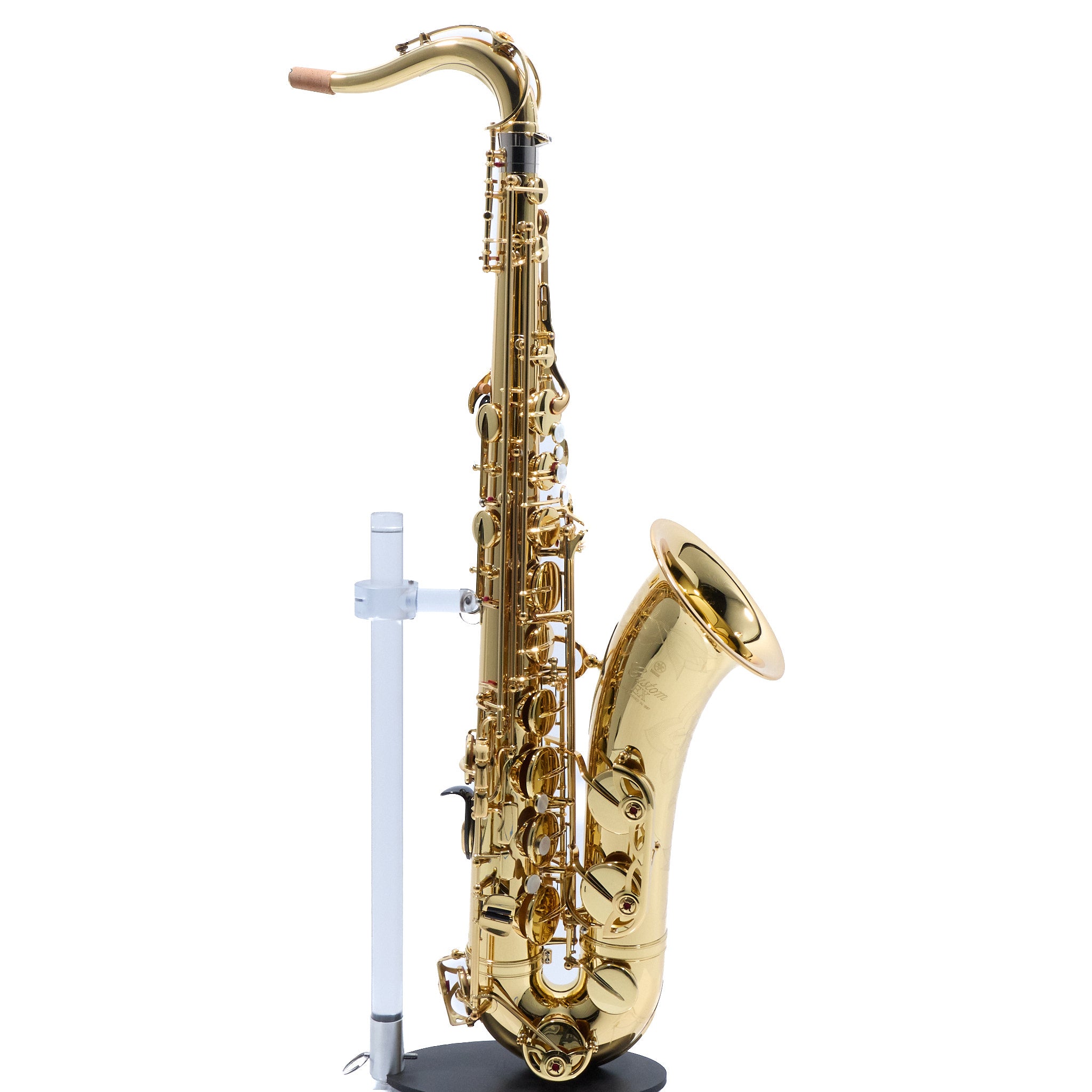
H.N. White King Super 20 Tenor Saxophone
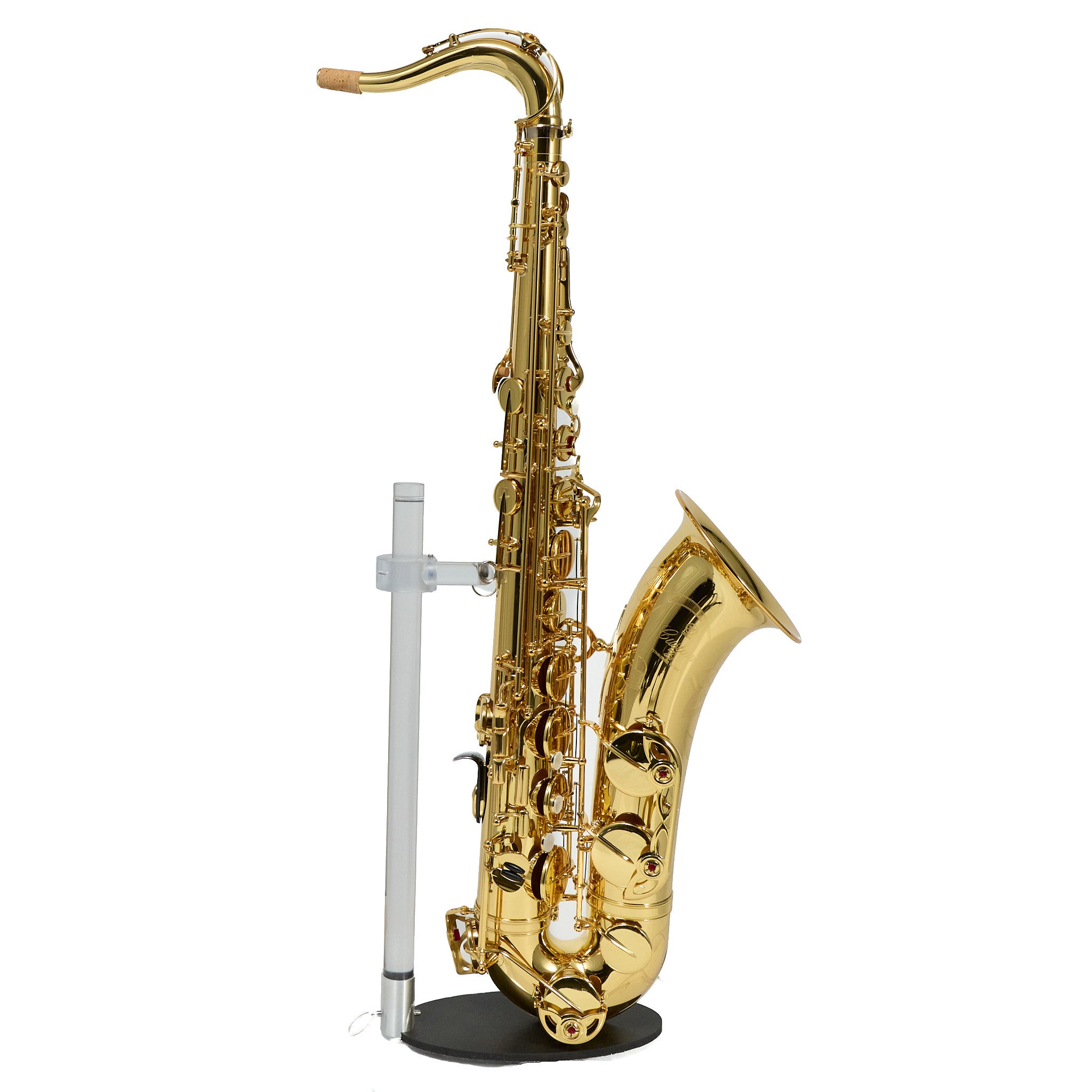
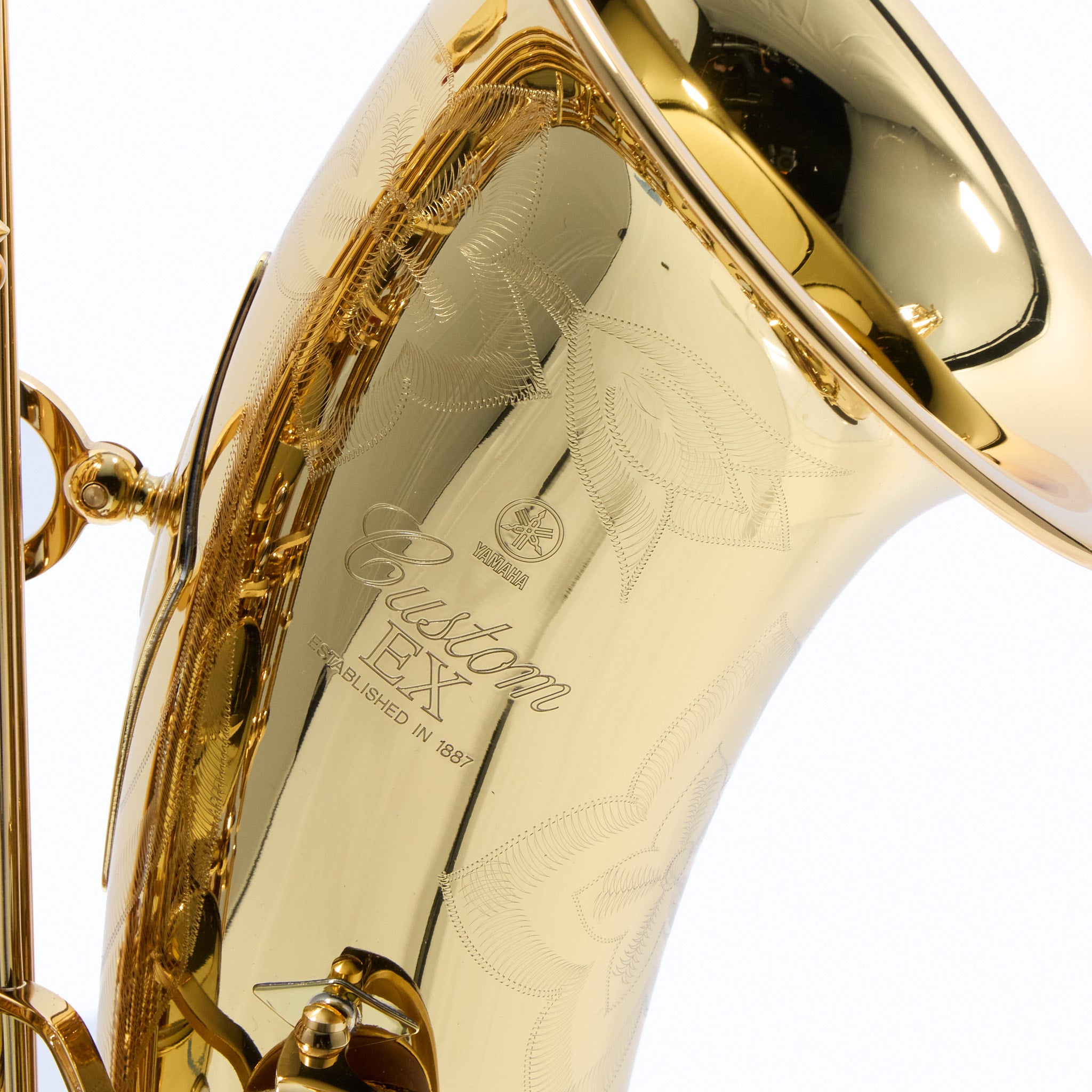
Yamaha YTS-82ZII 'Custom Z' Professional Tenor Saxophone
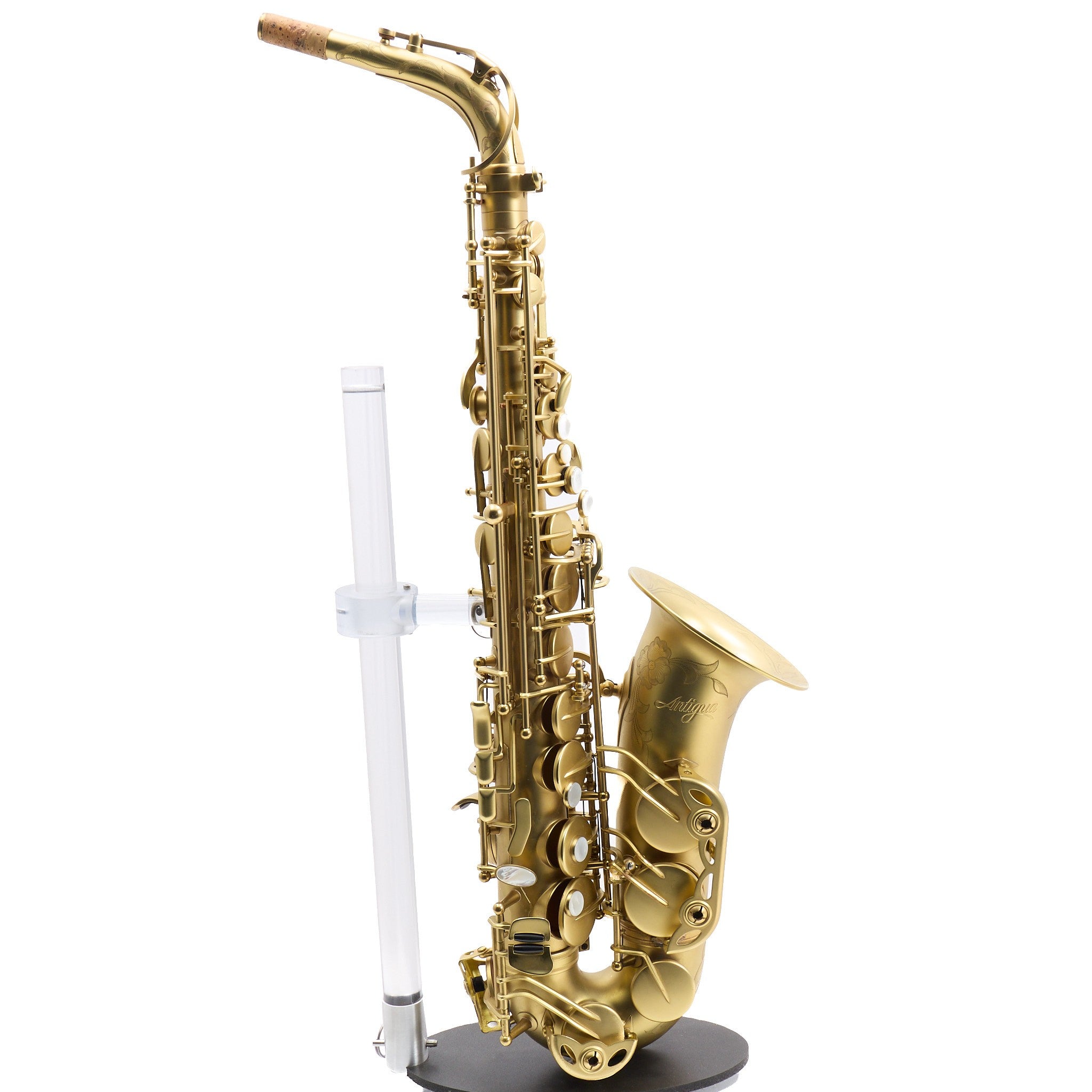
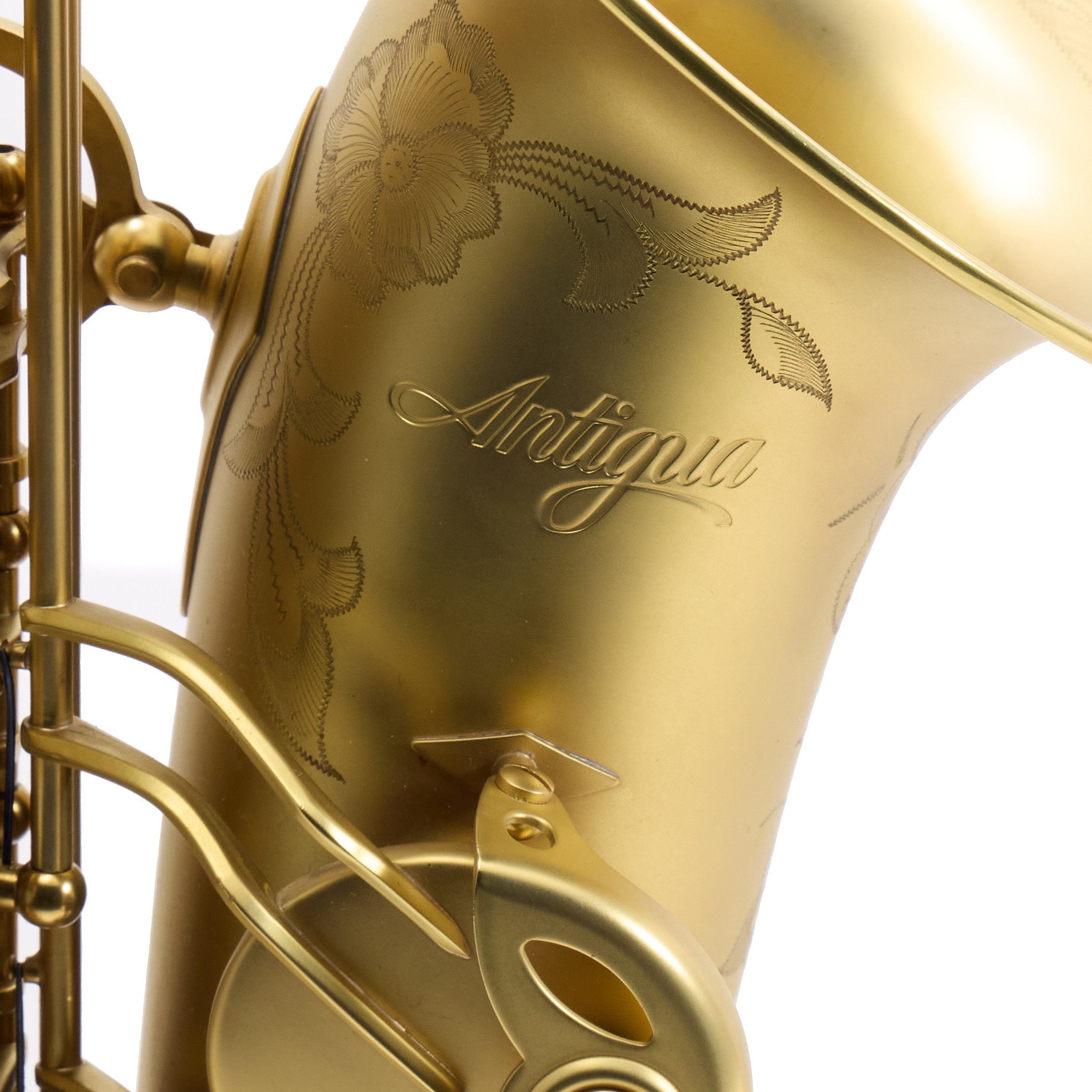
Antigua Winds AS4348CU Alto Saxophone in Unlacquered Brass
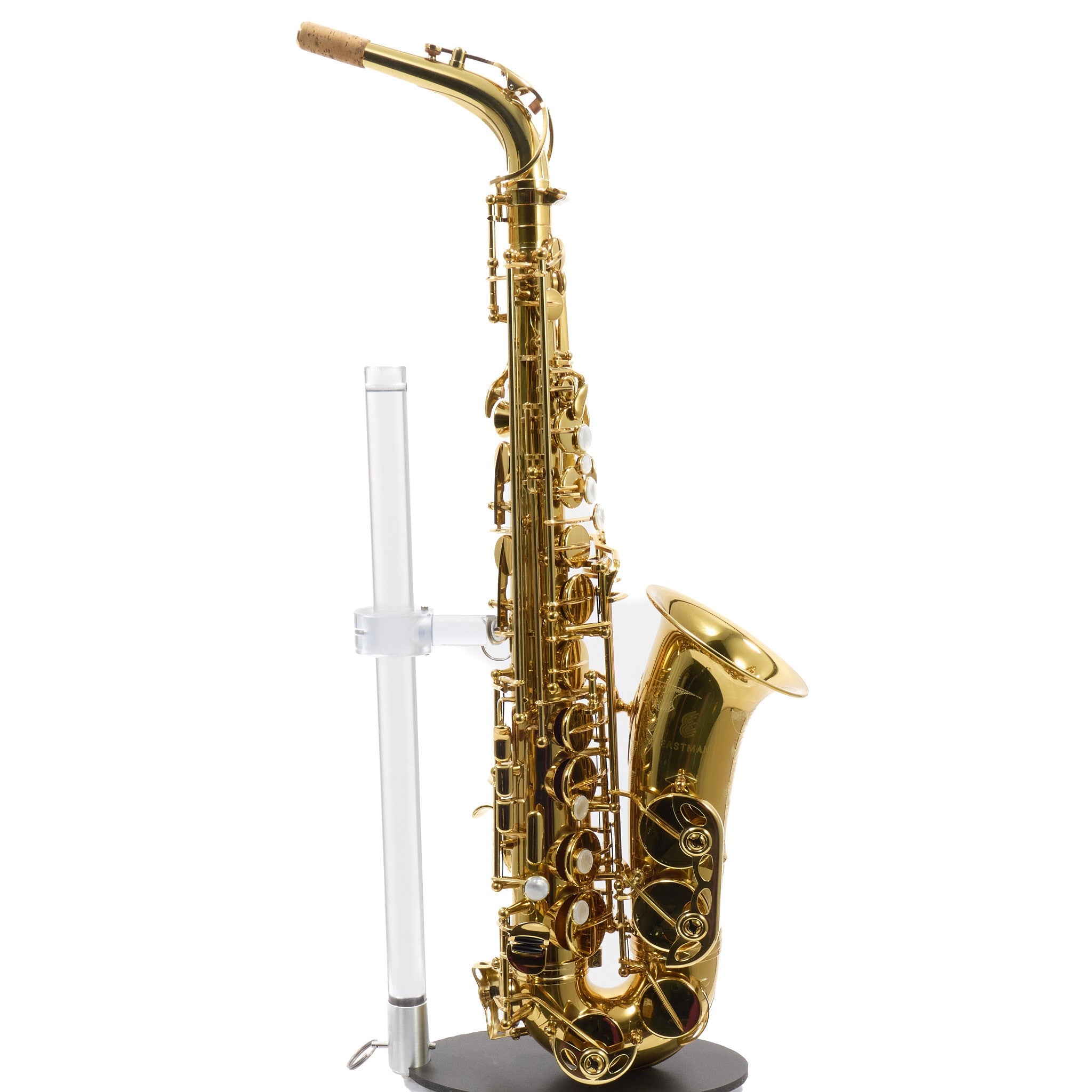
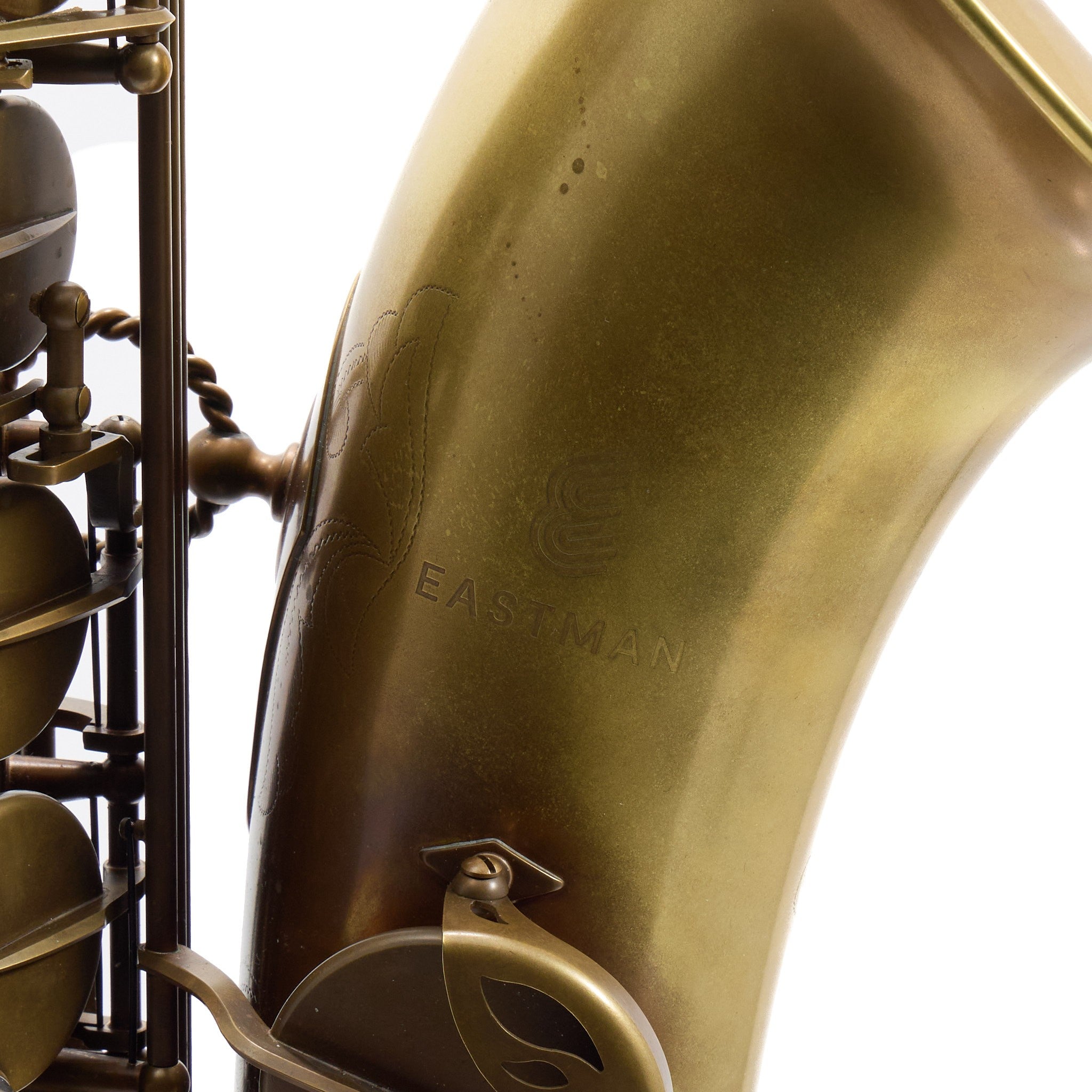
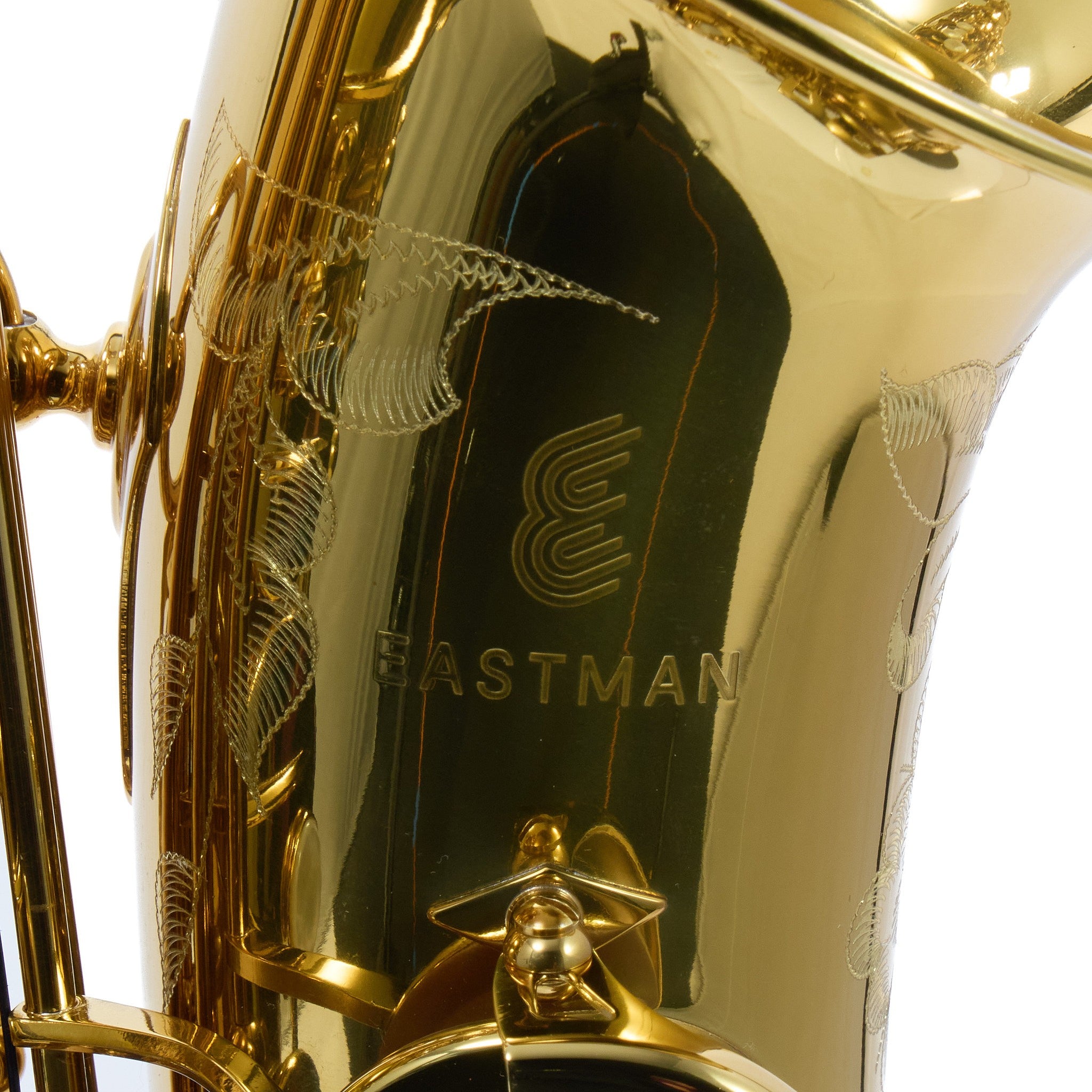
Eastman EAS650 'Rue Saint-Georges' Alto Saxophone
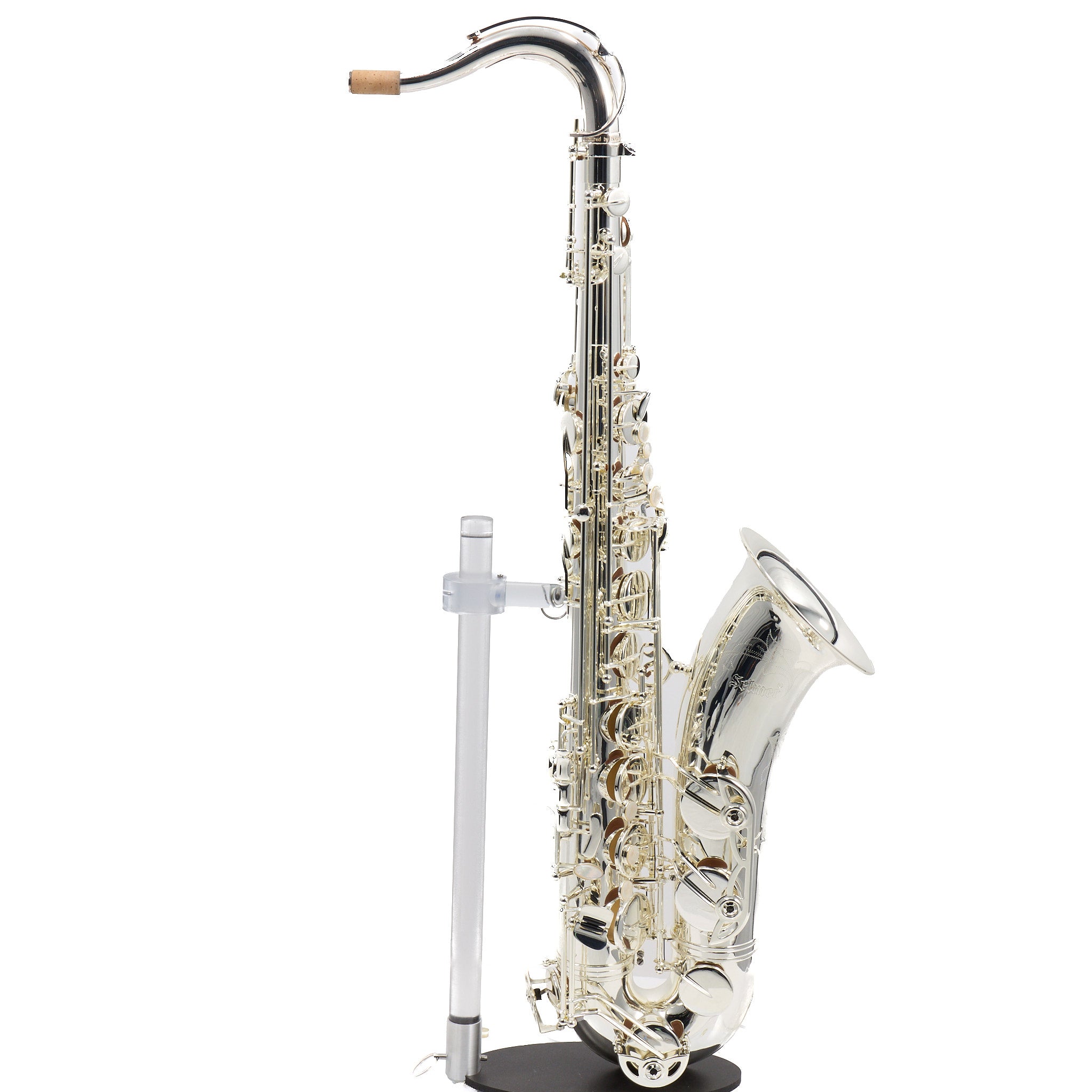
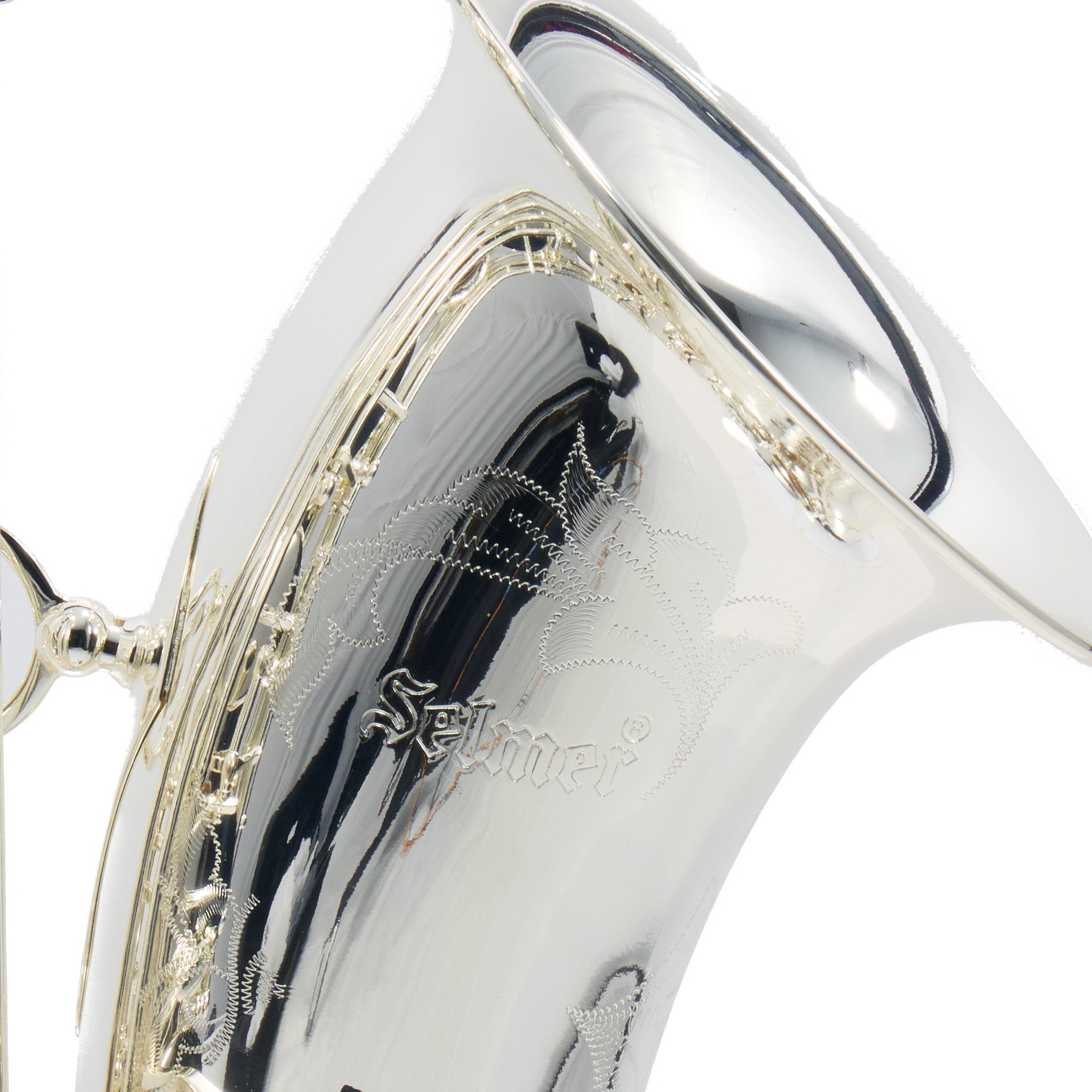
Selmer STS711S Professional Tenor Saxophone in Silver Plate
Antigua Winds TS4248LQ 'Powerbell' Tenor Saxophone in Lacquer
Antigua Winds TS4248BG 'Powerbell' Tenor Saxophone in Black Nickel
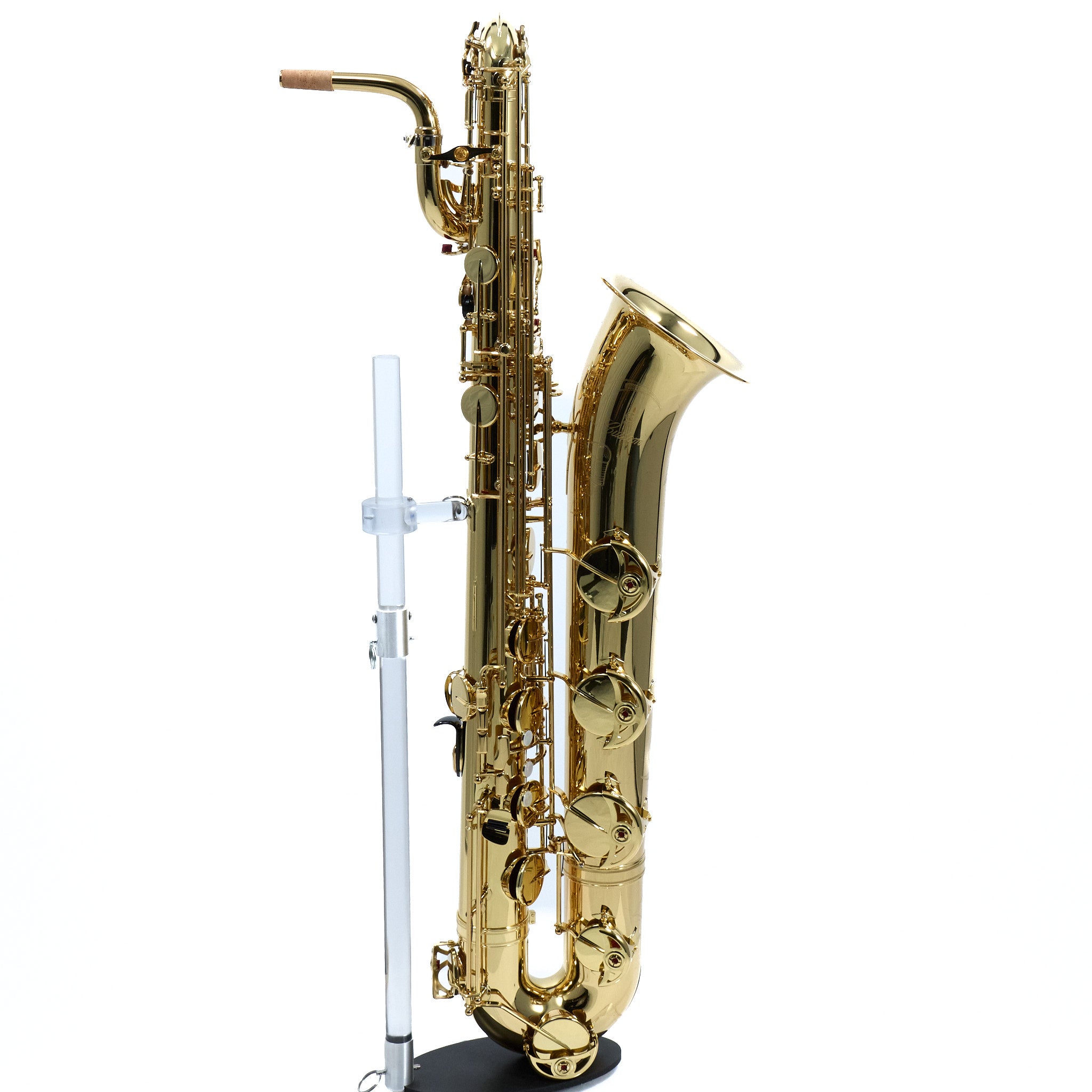
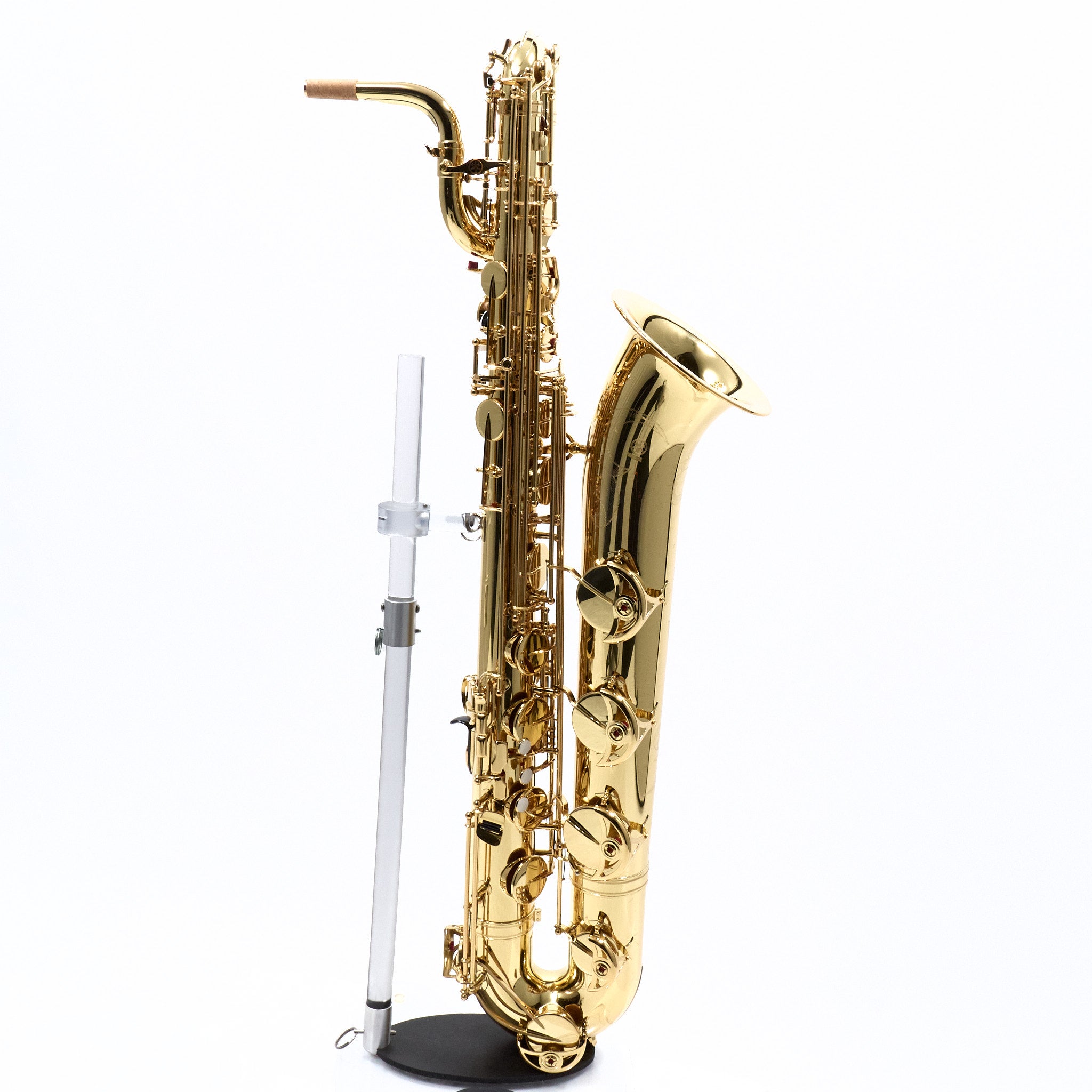
Selmer Paris Mark VI Professional Baritone Saxophone in Original Lacquer
Eastman EAS850 'Rue Saint-Georges' Professional Alto Saxophone in Lacquer
Eastman EAS652 '52nd Street' Professional Alto Saxophone in Unlacquered Brass
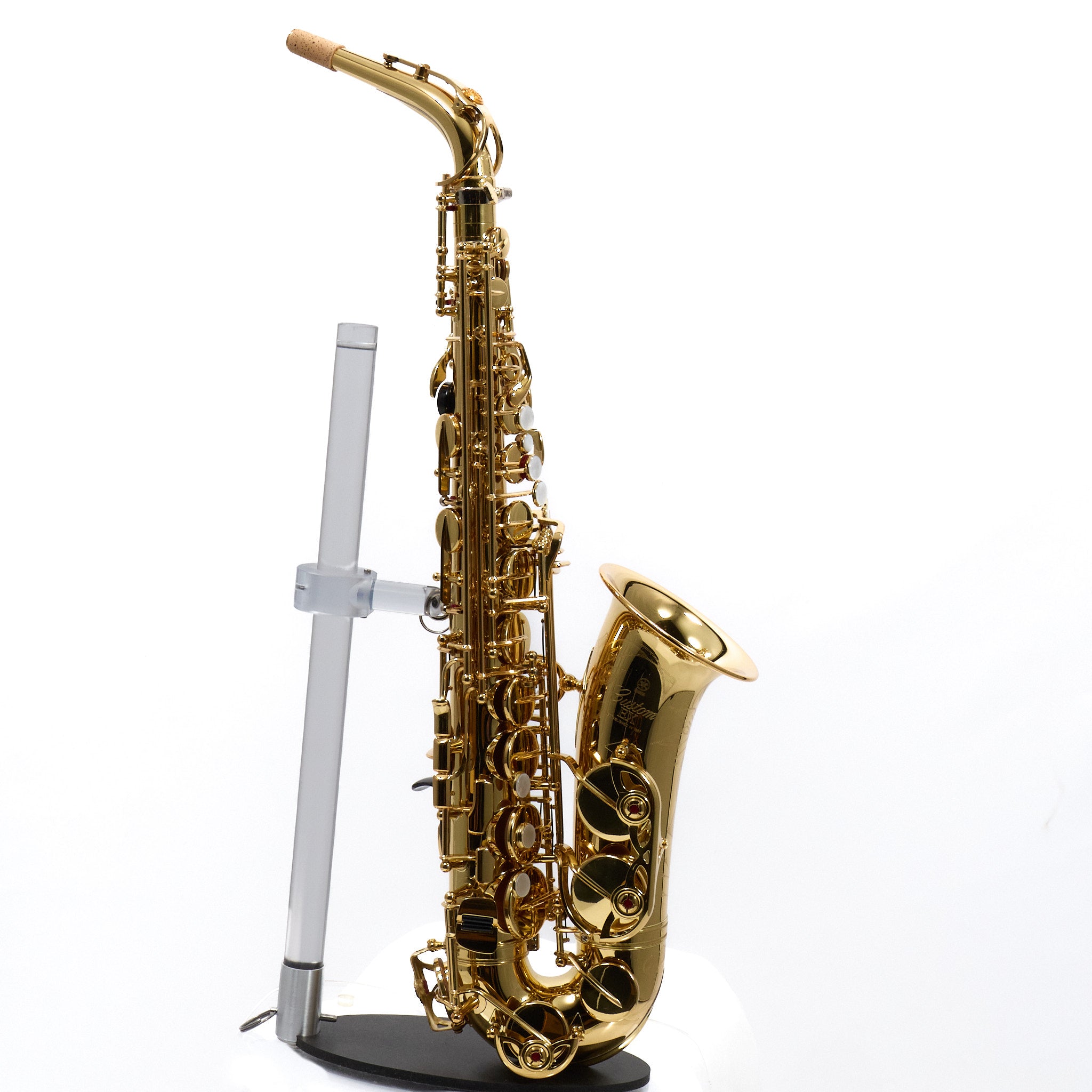
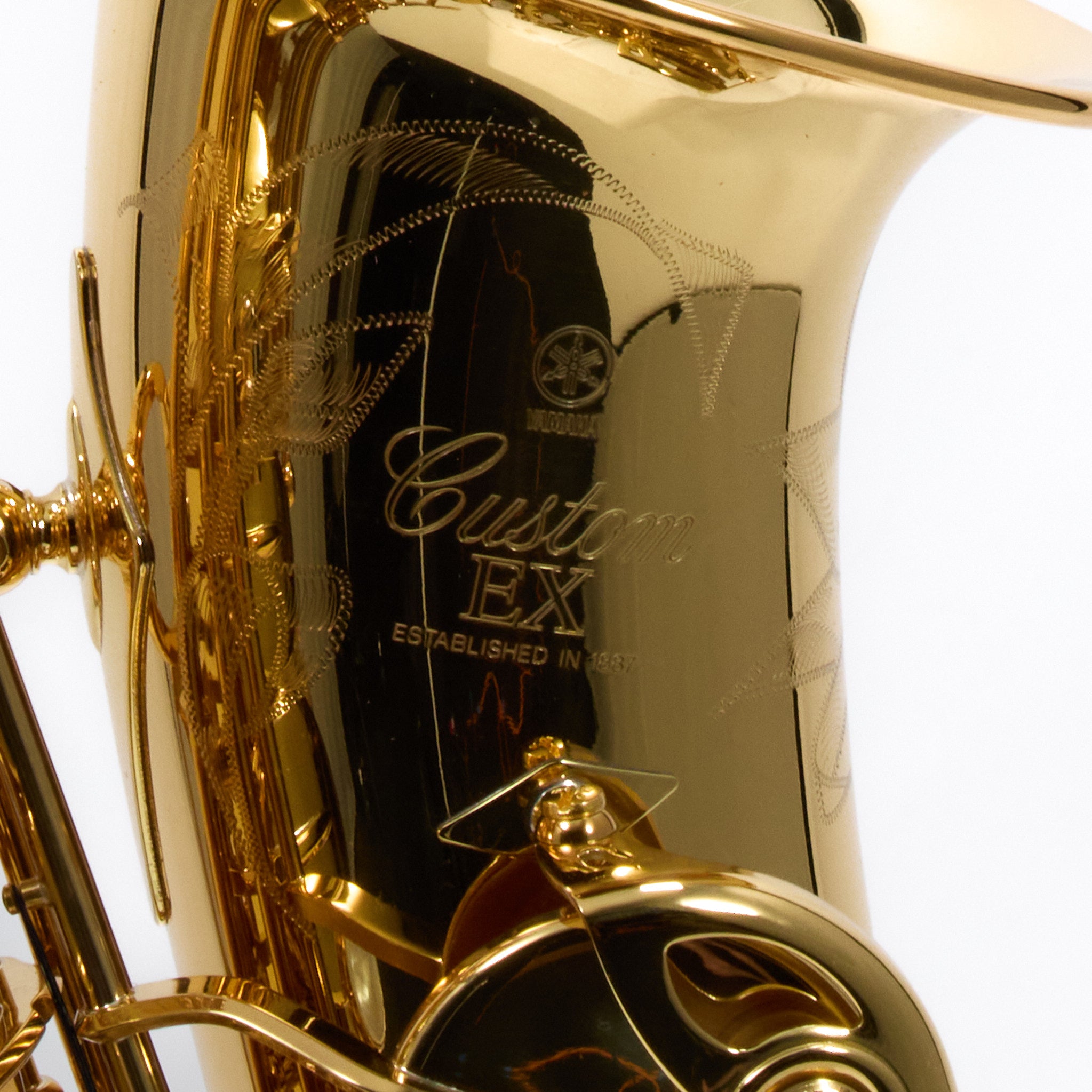
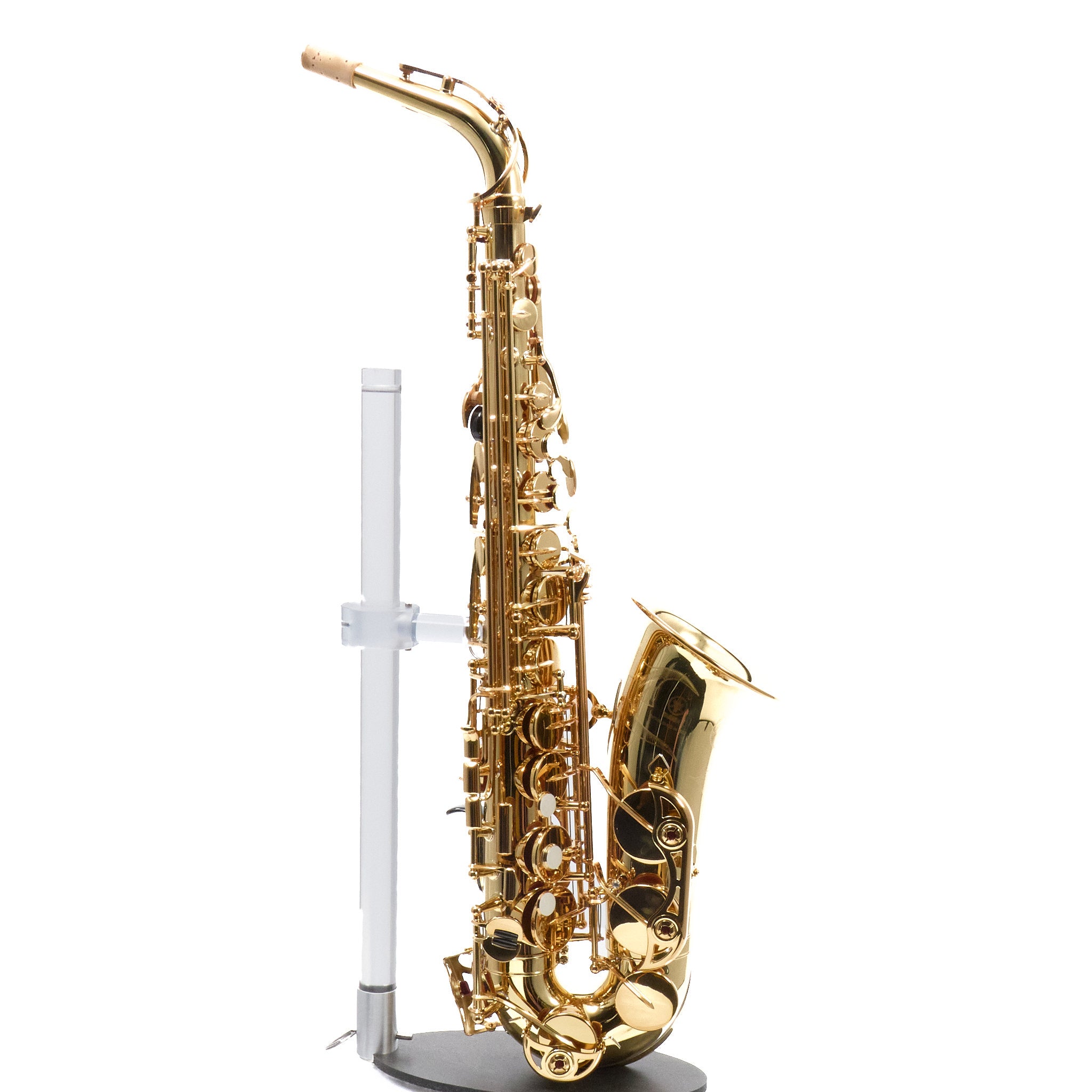
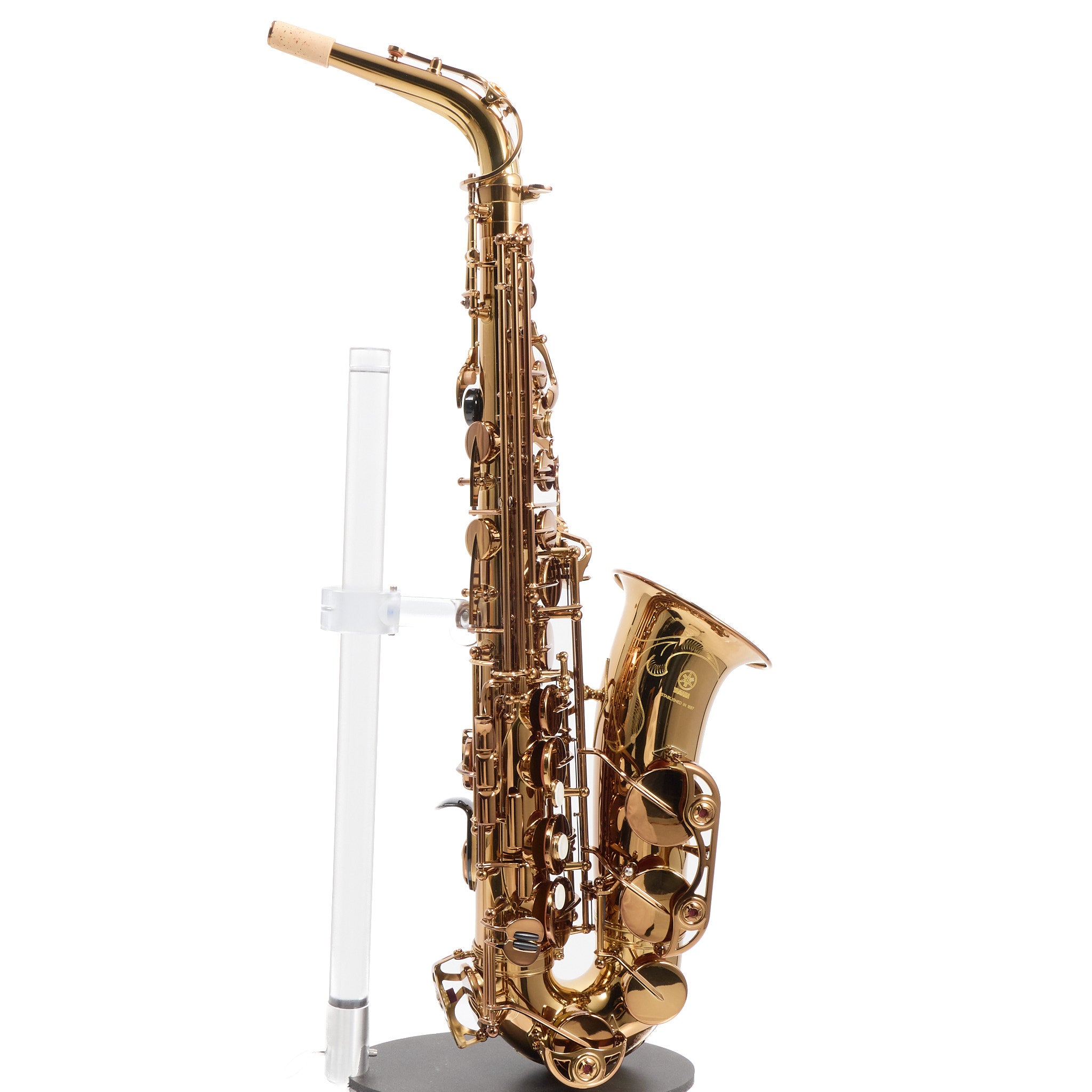
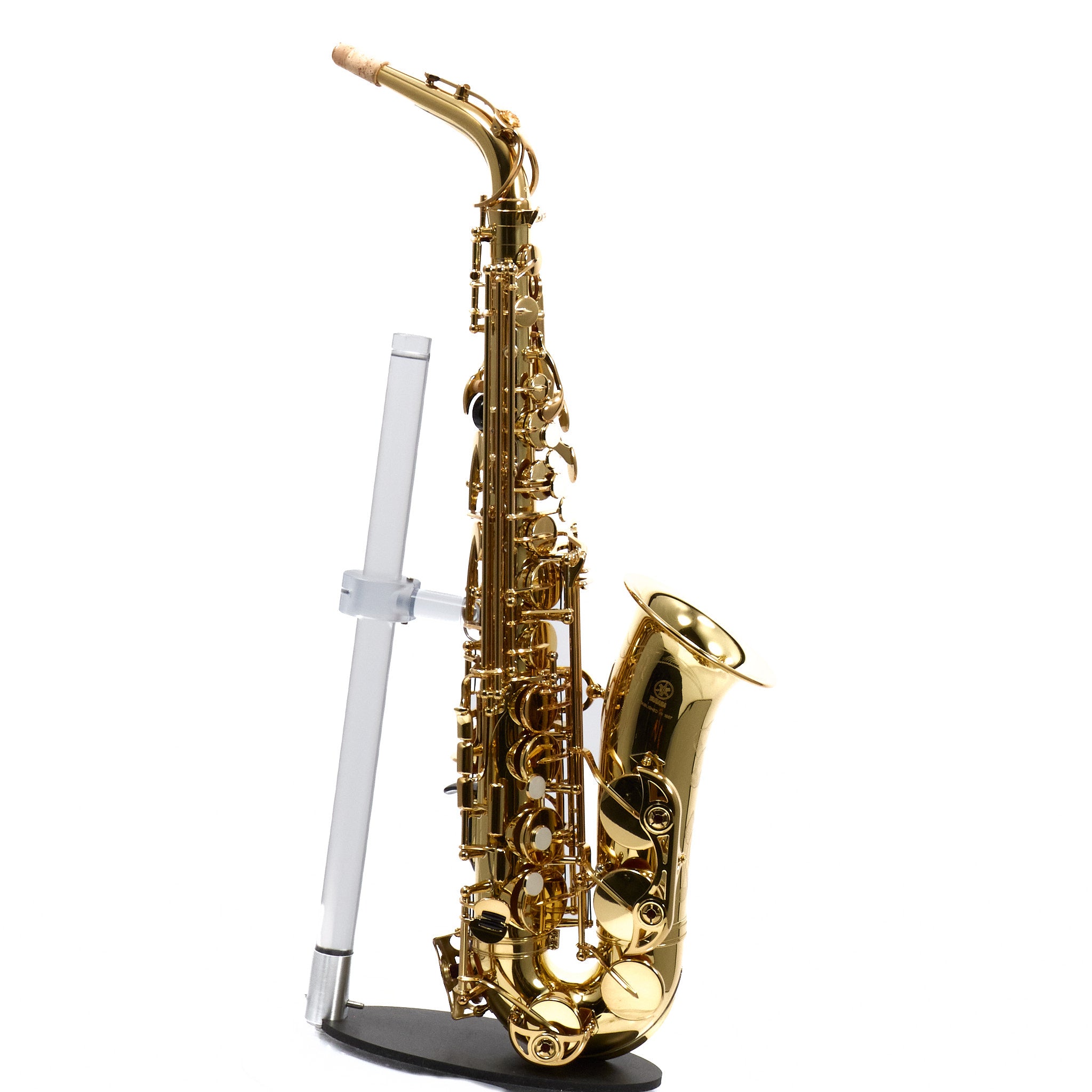
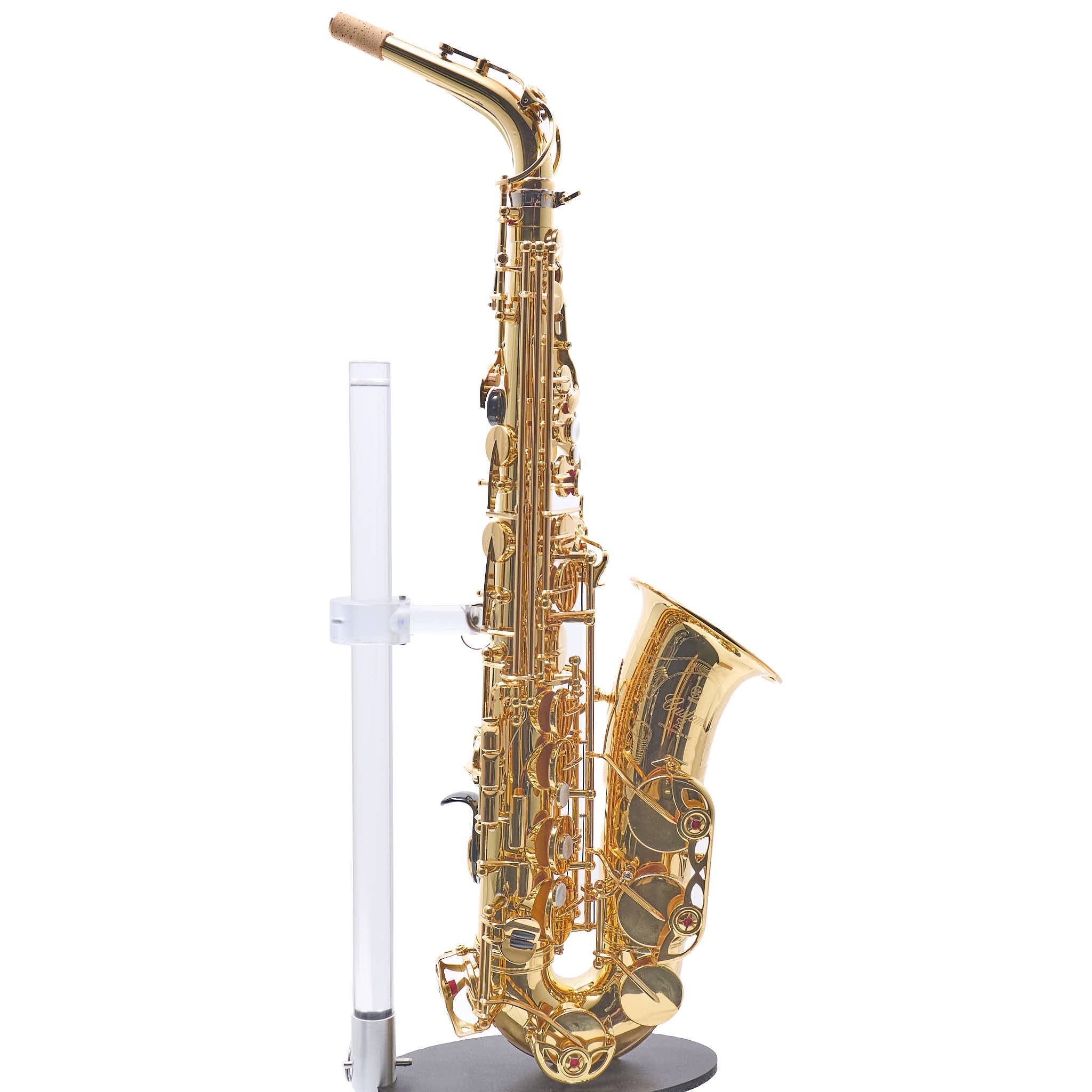
Yamaha YAS-82ZII 'Custom Z' Professional Alto Saxophone in Lacquer
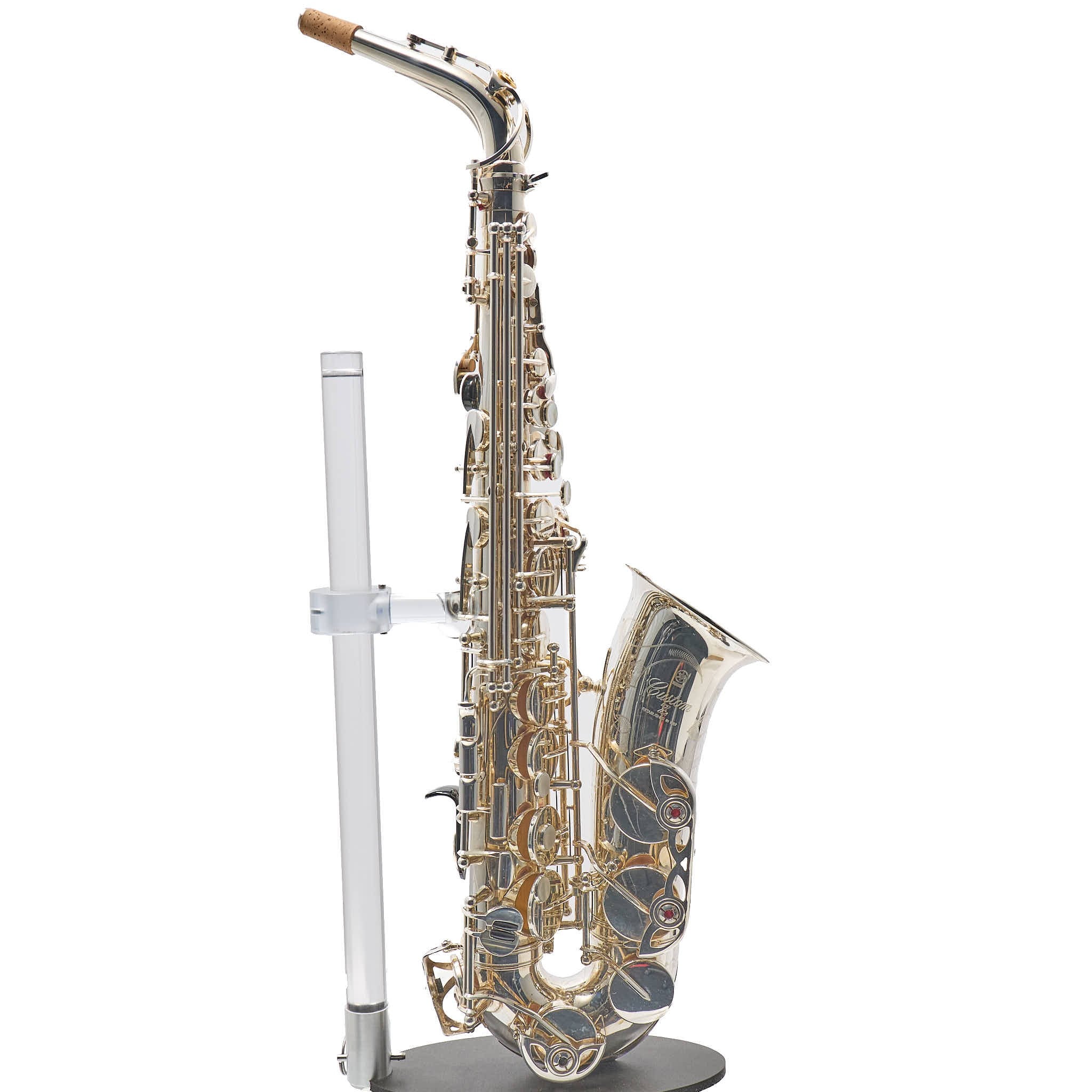
Yamaha YAS-82ZIIS 'Custom Z' Alto Saxophone in Silver Plate
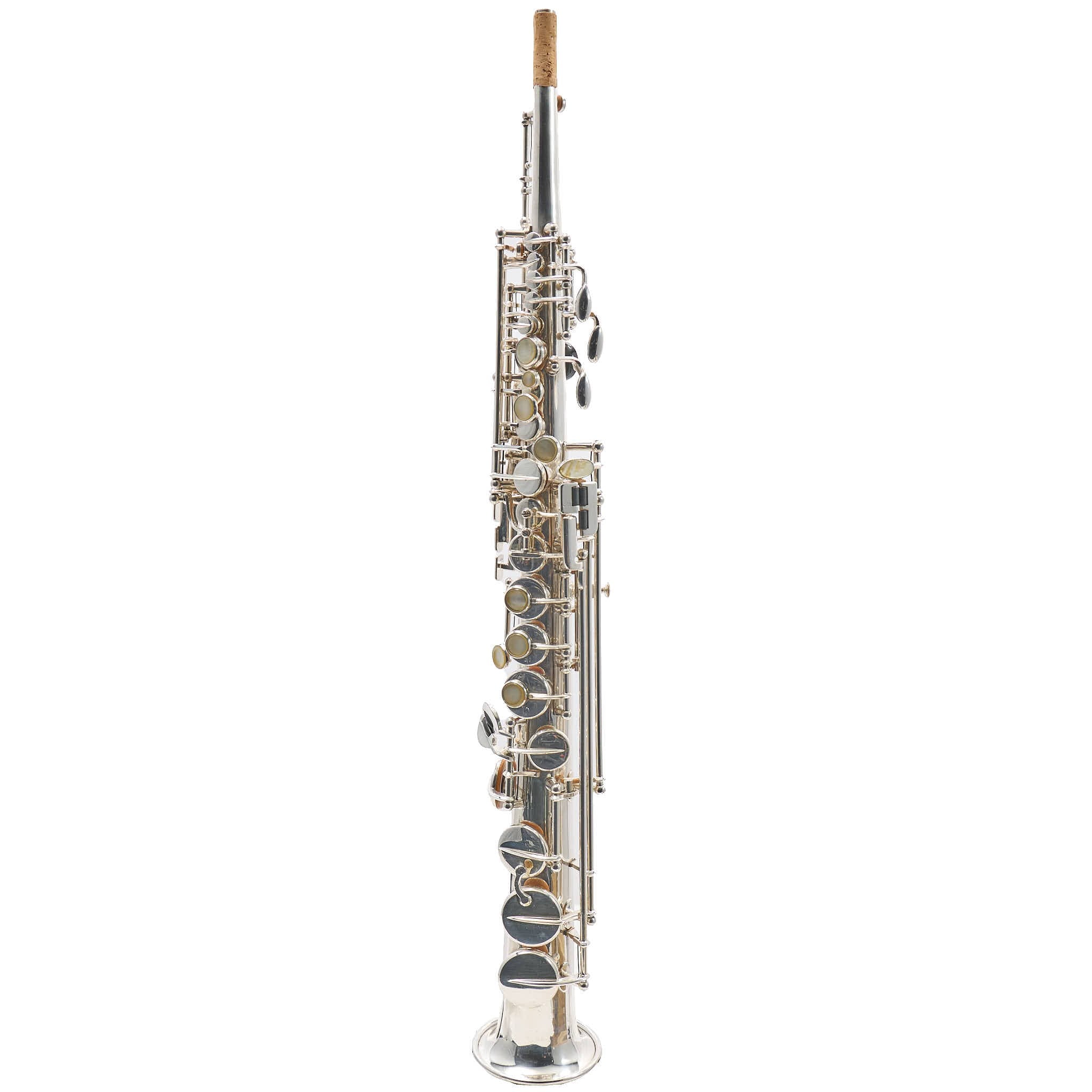
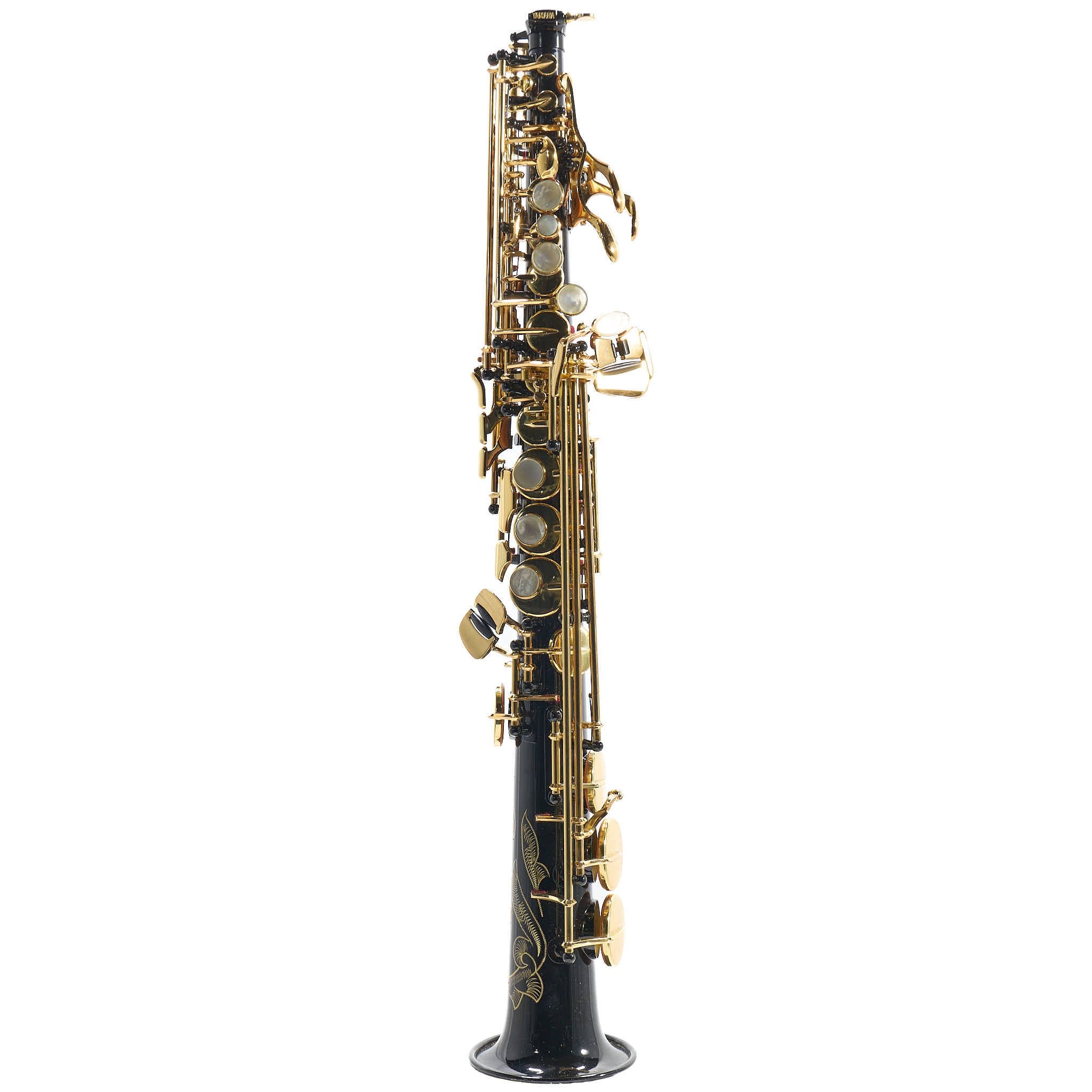
Selmer Paris Mark VI Soprano Saxophone in Original Silver
Saxophones at The Mighty Quinn Brass and Winds
Shop premium saxophones for sale at The Mighty Quinn Brass and Winds, featuring alto, tenor, soprano, and baritone models for students, advancing players, and seasoned professionals. Our selection includes trusted brands known for responsive keywork, excellent intonation, and rich, projecting tone across jazz, classical, pop, and commercial settings. From durable student saxophones built for reliable daily practice to professional models with hand-engraved bells, upgraded pads, and precision-crafted neck designs, we offer instruments that inspire confident performance and expressive artistry. Each saxophone is professionally inspected and adjusted before shipping to ensure optimal playability right out of the case. Shop saxophones online with expert guidance, secure checkout, and fast shipping from experienced wind instrument specialists.
Browse new, refurbished, used, & vintage saxophones by Selmer Paris, Eastman, Yanagisawa, King, Yamaha & more at great prices.
Find it. Play it. Love it. ♪♫
FAQs
What are the different types of saxophones?
The most common saxophones are soprano, alto, tenor, and baritone. Alto and tenor are the most widely played in band and jazz settings, while soprano offers a brighter, more focused sound and baritone provides a deep, powerful low voice.
Is saxophone a brass or woodwind instrument?
Although made of brass, the saxophone is classified as a woodwind because it produces sound using a single reed, similar to a clarinet.
What’s the best saxophone for beginners?
Most students start on alto saxophone because of its manageable size, comfortable weight, and moderate air resistance. It’s commonly used in school band programs and is well-supported with learning materials.
What is the difference between student, intermediate, and professional saxophones?
Student models prioritize durability and easy response. Intermediate instruments offer improved materials and keywork refinement. Professional saxophones feature more complex tonal color, hand-finishing, upgraded pads and resonators, and more precise intonation.
Does the finish affect the sound?
Lacquer, unlacquered brass, silver plate, and gold plate primarily affect feel and aesthetics, though some players perceive subtle tonal differences. The core sound is influenced more by bore design, setup, and the player’s embouchure.
How do I care for my saxophone?
Regular swabbing, wiping down keywork after playing, and proper storage in a climate-stable environment help prevent corrosion and extend the life of the instrument.
Should I buy vintage or a newer model of saxophone?
Owning a vintage saxophone often appeals to players who value tonal character, historical craftsmanship, and the unique feel of earlier bore designs, which can produce a warmer, more complex sound. Classic instruments from makers like Selmer Paris or Conn are especially sought after for their personality and projection. New saxophones typically offer greater consistency, improved ergonomics, stable tuning, and warranty support, making them attractive for players who prioritize reliability and precision. Ultimately, the choice comes down to whether you value character and history or predictability and modern refinement.
What is the difference between rolled tone holes and straight tone holes?
Rolled tone holes and straight tone holes refer to different ways the openings in a woodwind instrument’s body are formed. Straight tone holes are cut directly into the instrument body with a flat rim, which is the most common modern design and allows for precise manufacturing and consistent pad sealing. Rolled tone holes, by contrast, have the edge of the tone hole rolled outward into a rounded ring. This design can create a smoother surface for the pad to seal against, potentially improving durability and reducing pad wear. However, rolled tone holes are more complex to manufacture and repair, which is why most modern instruments use straight tone holes.