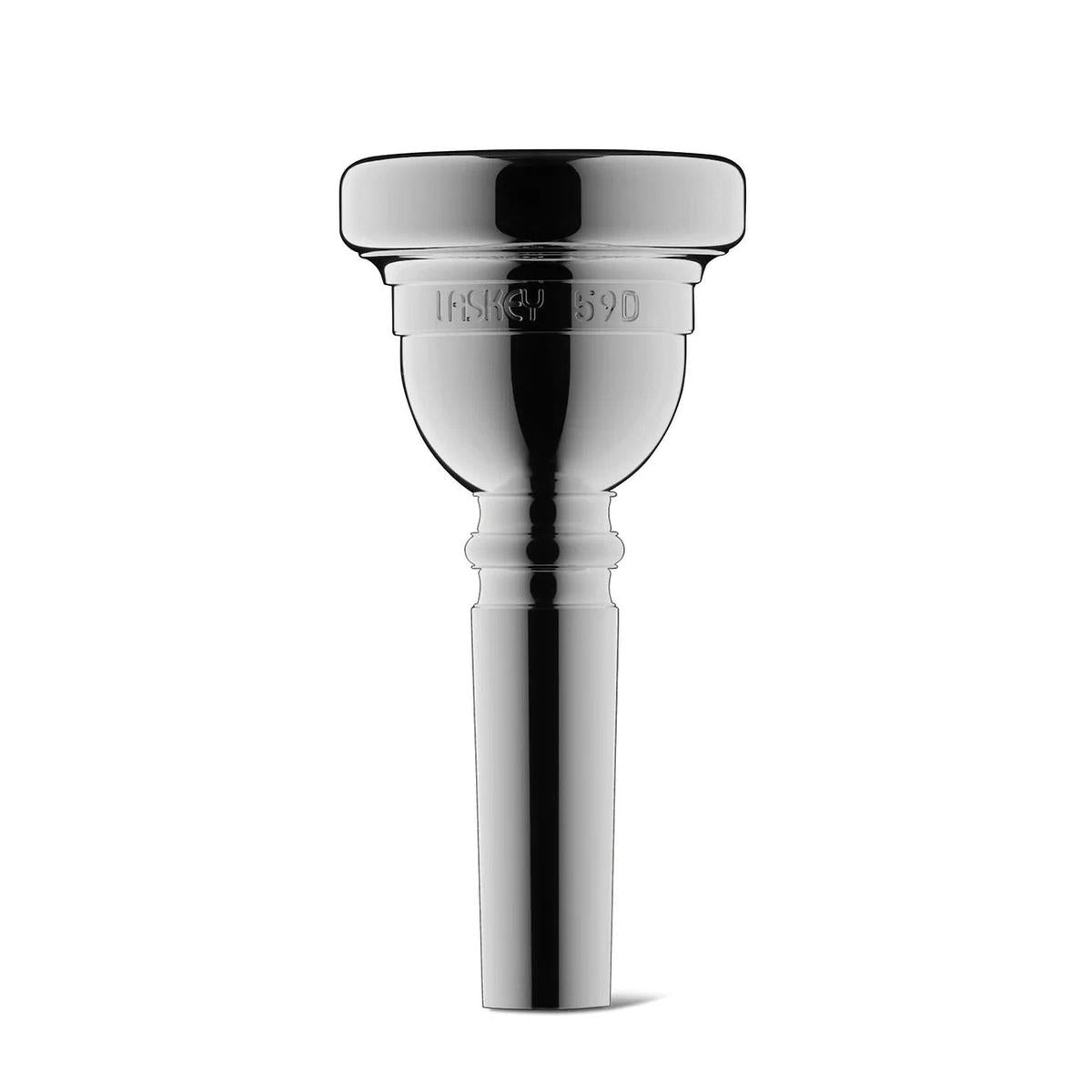
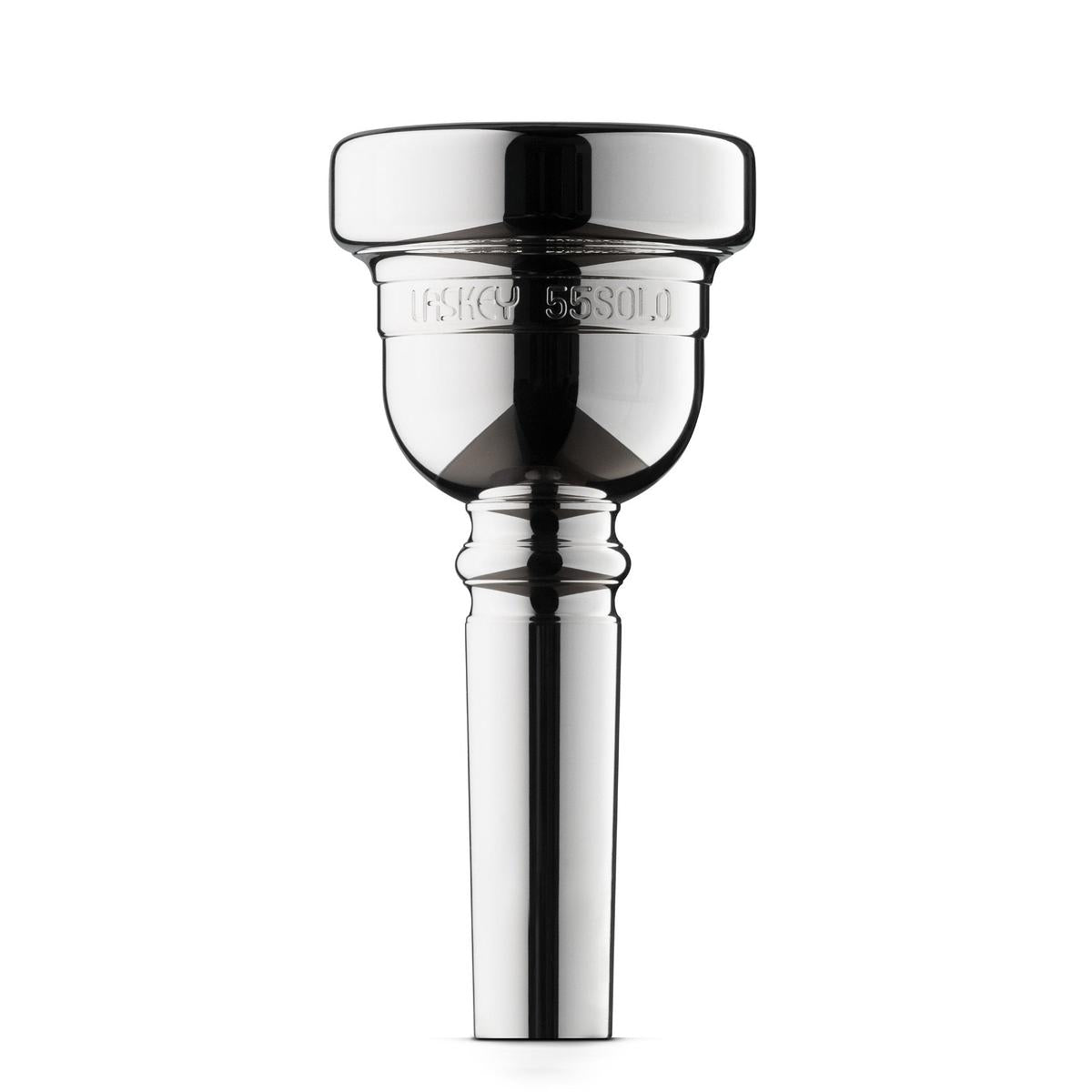
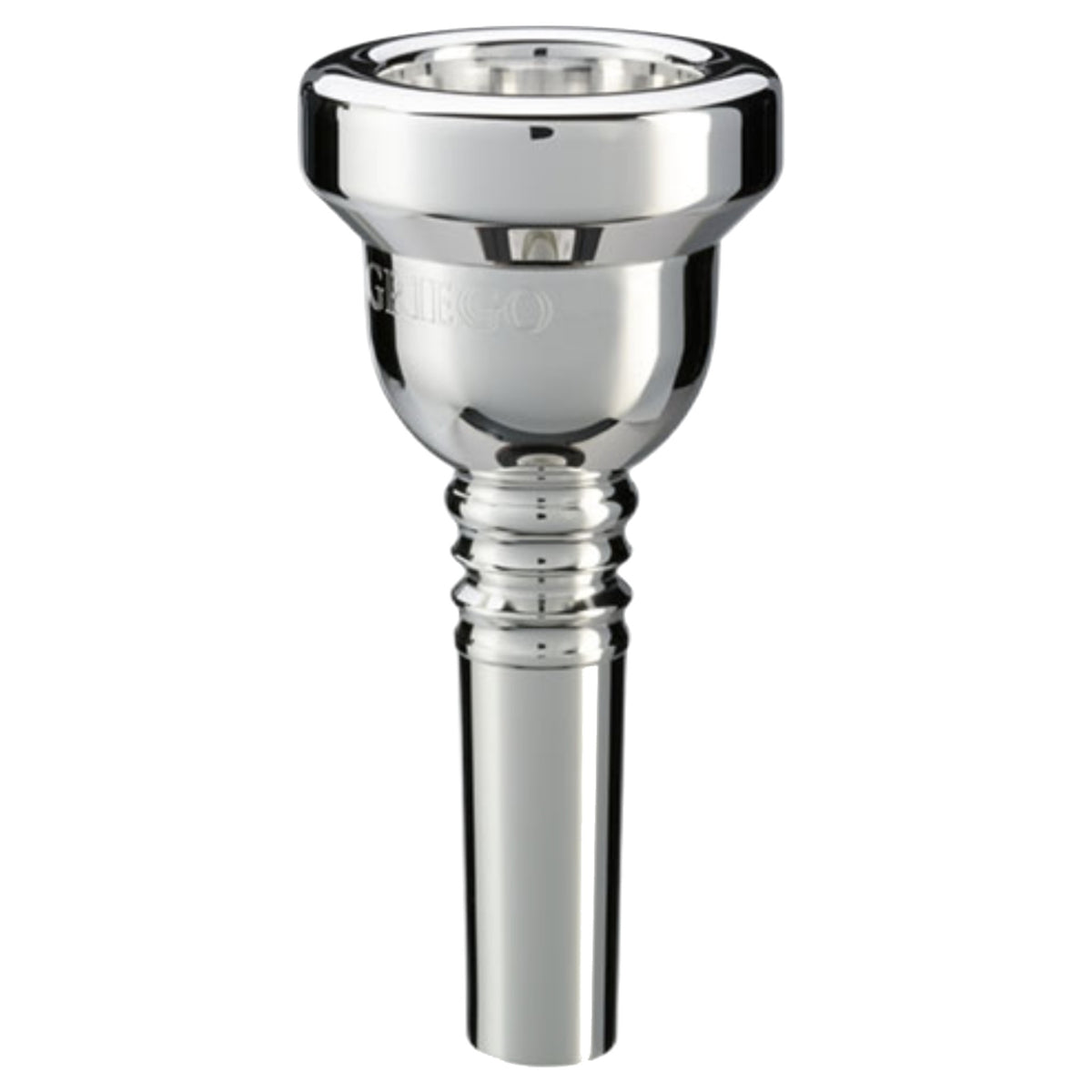
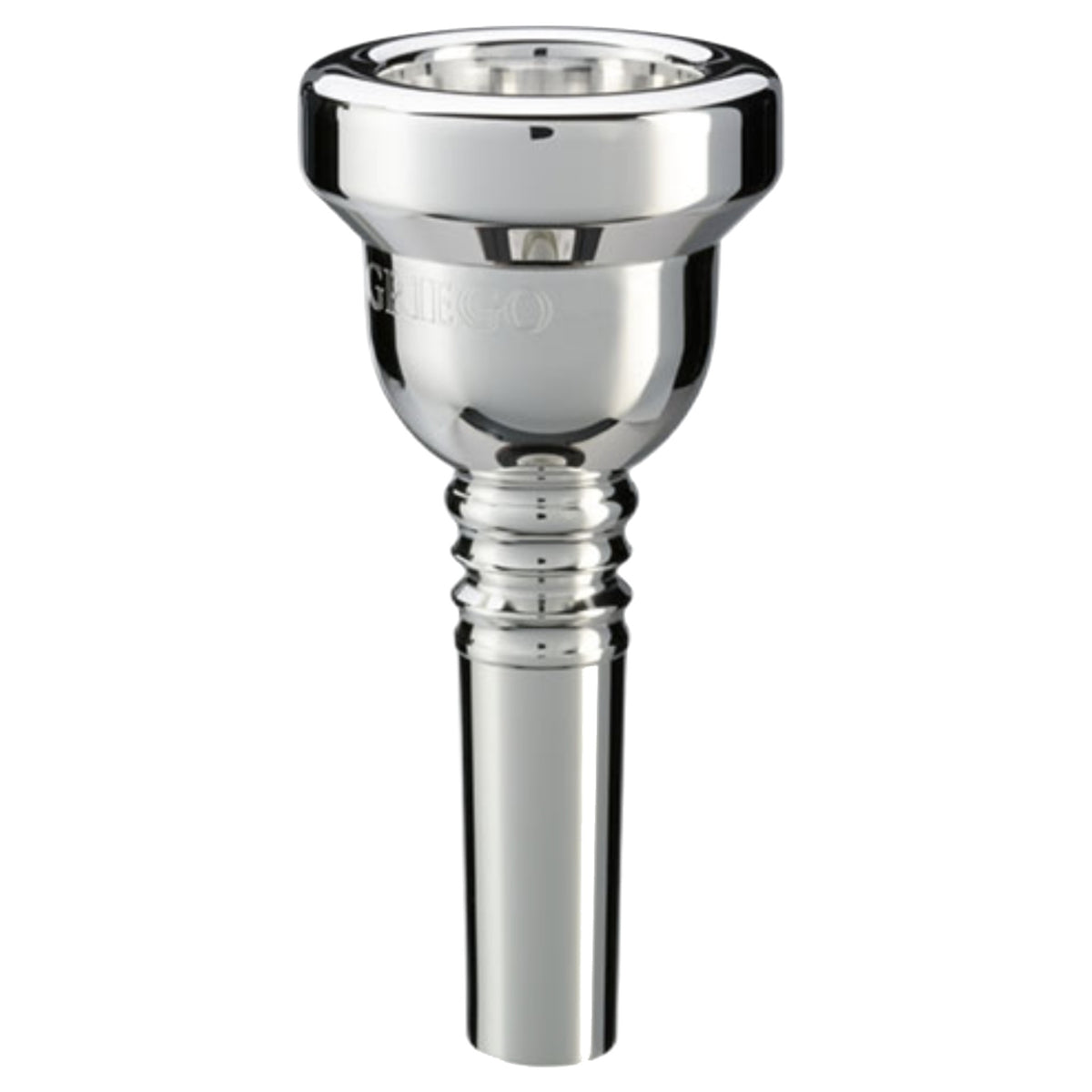
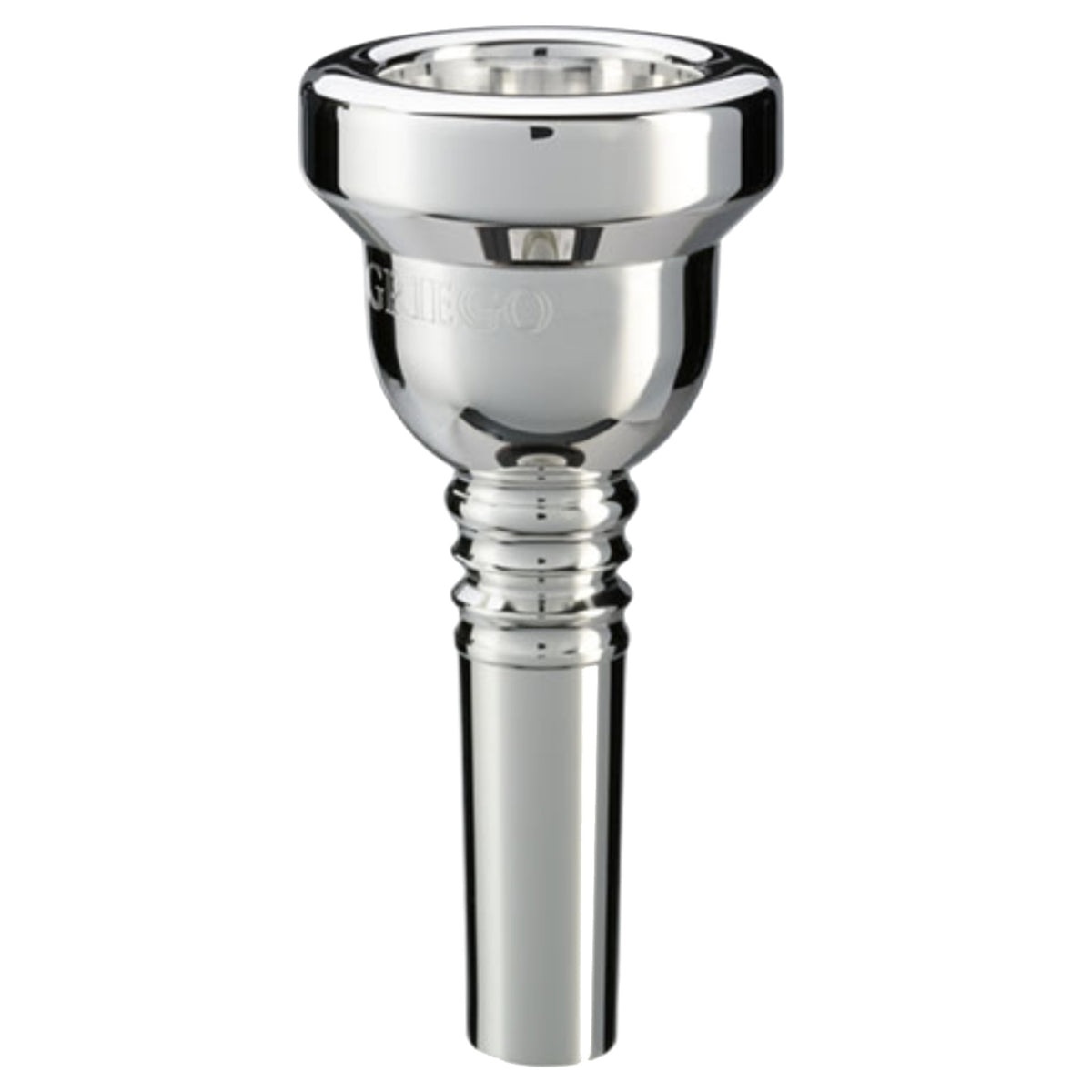
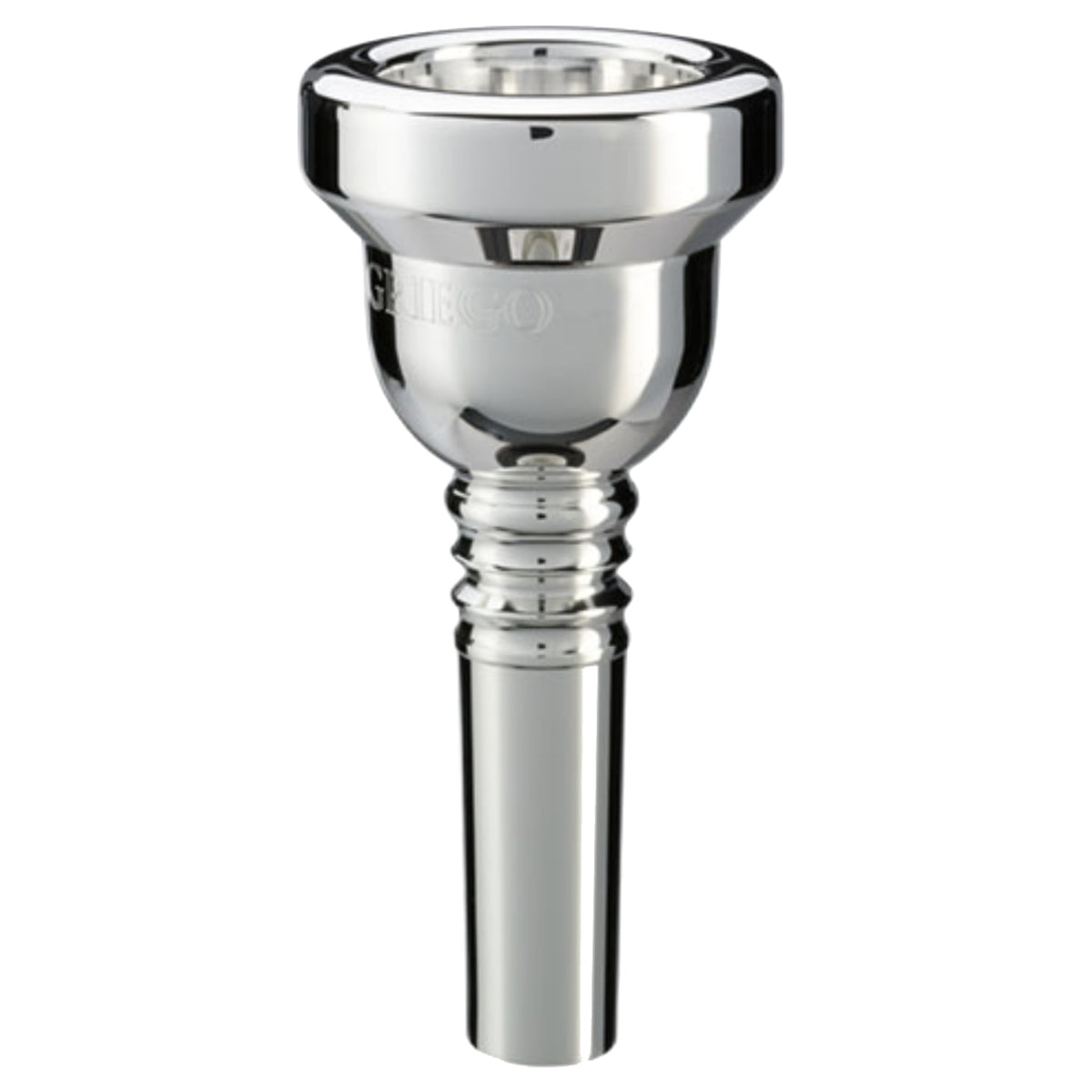
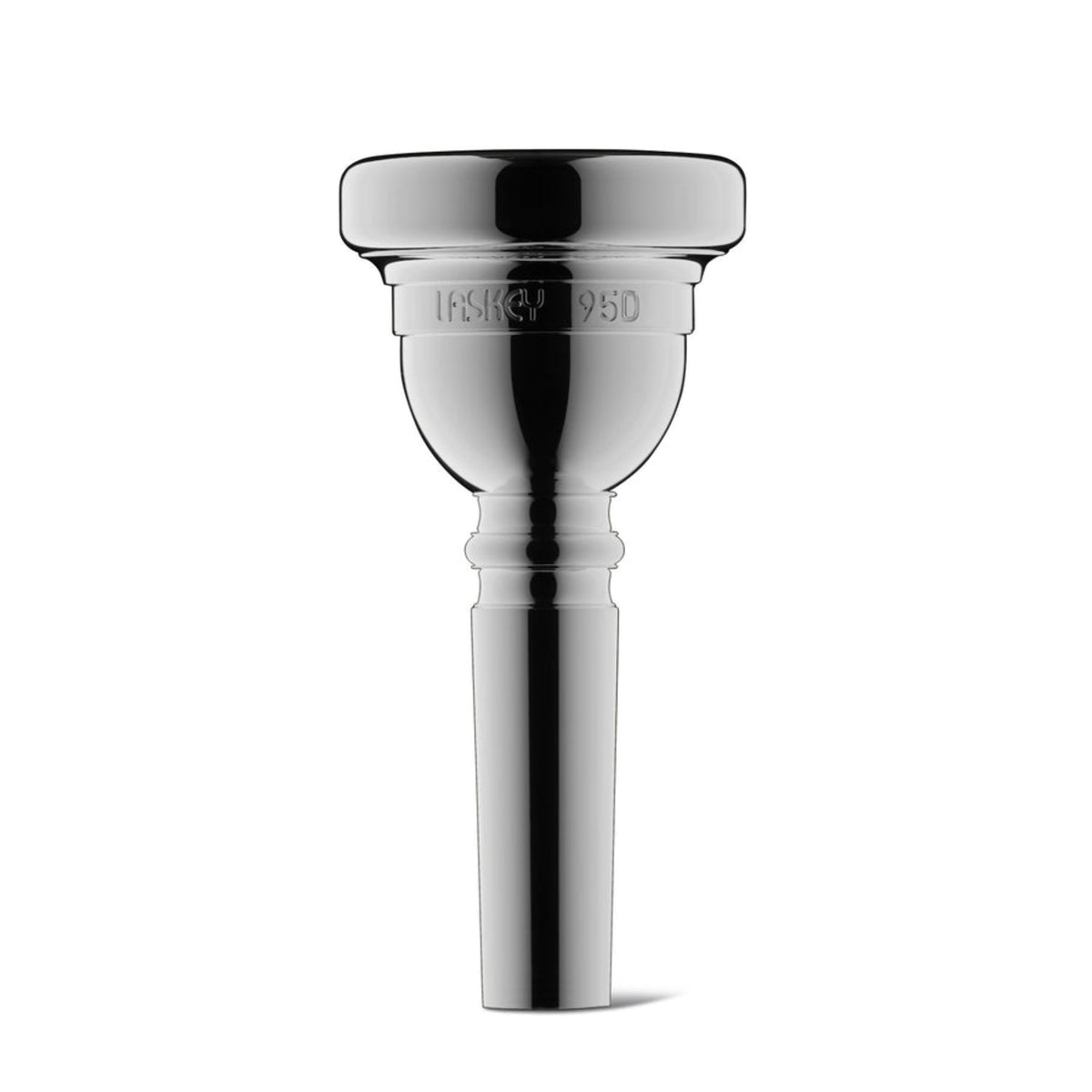
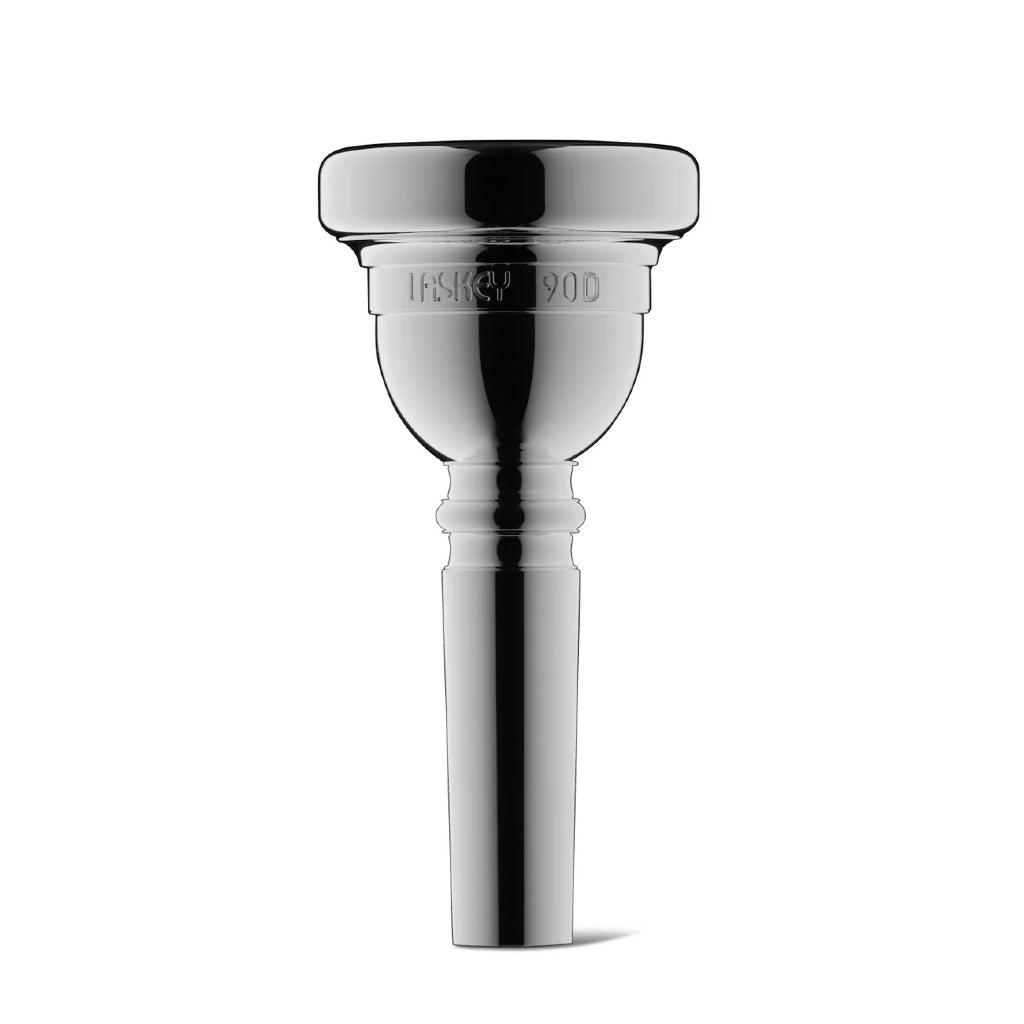
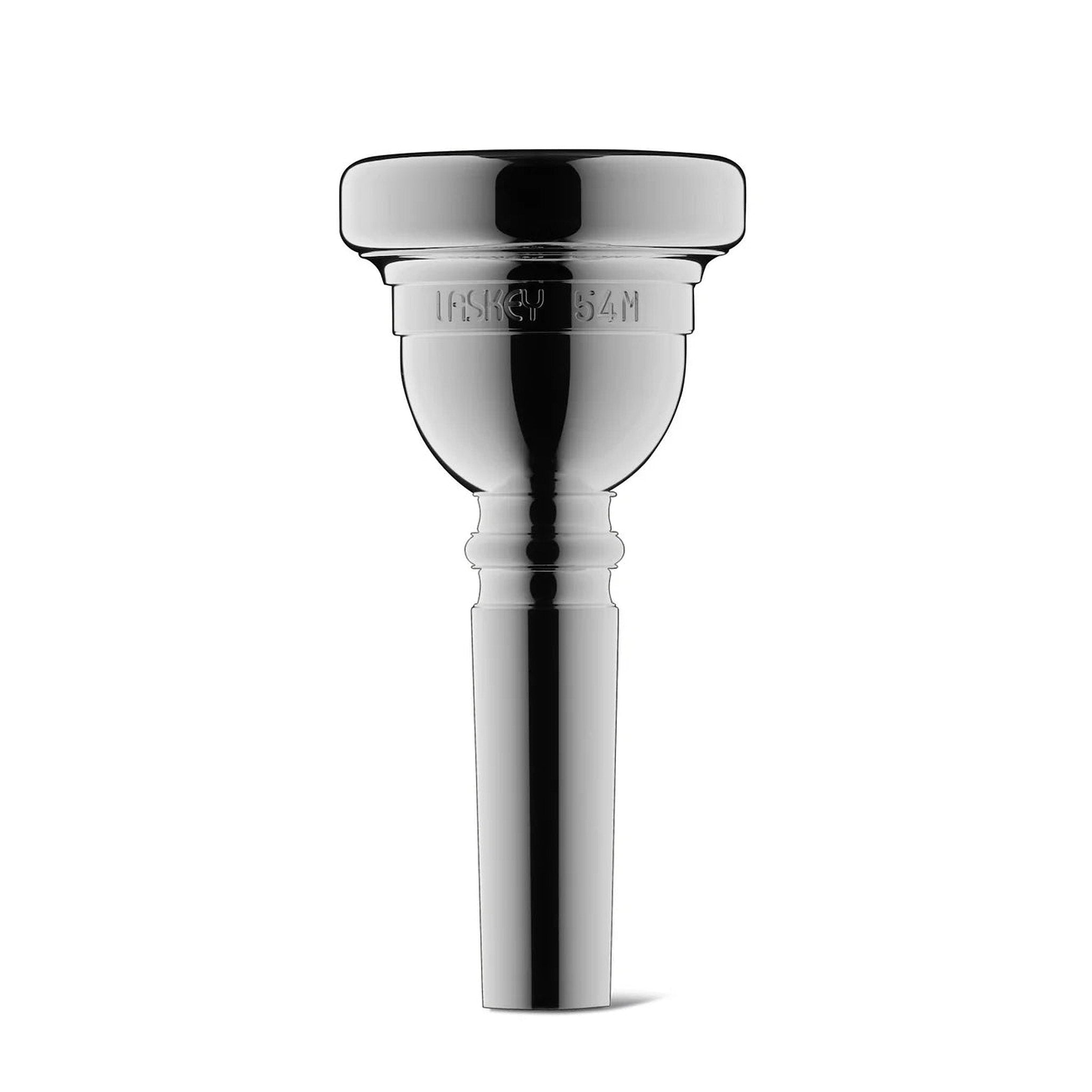
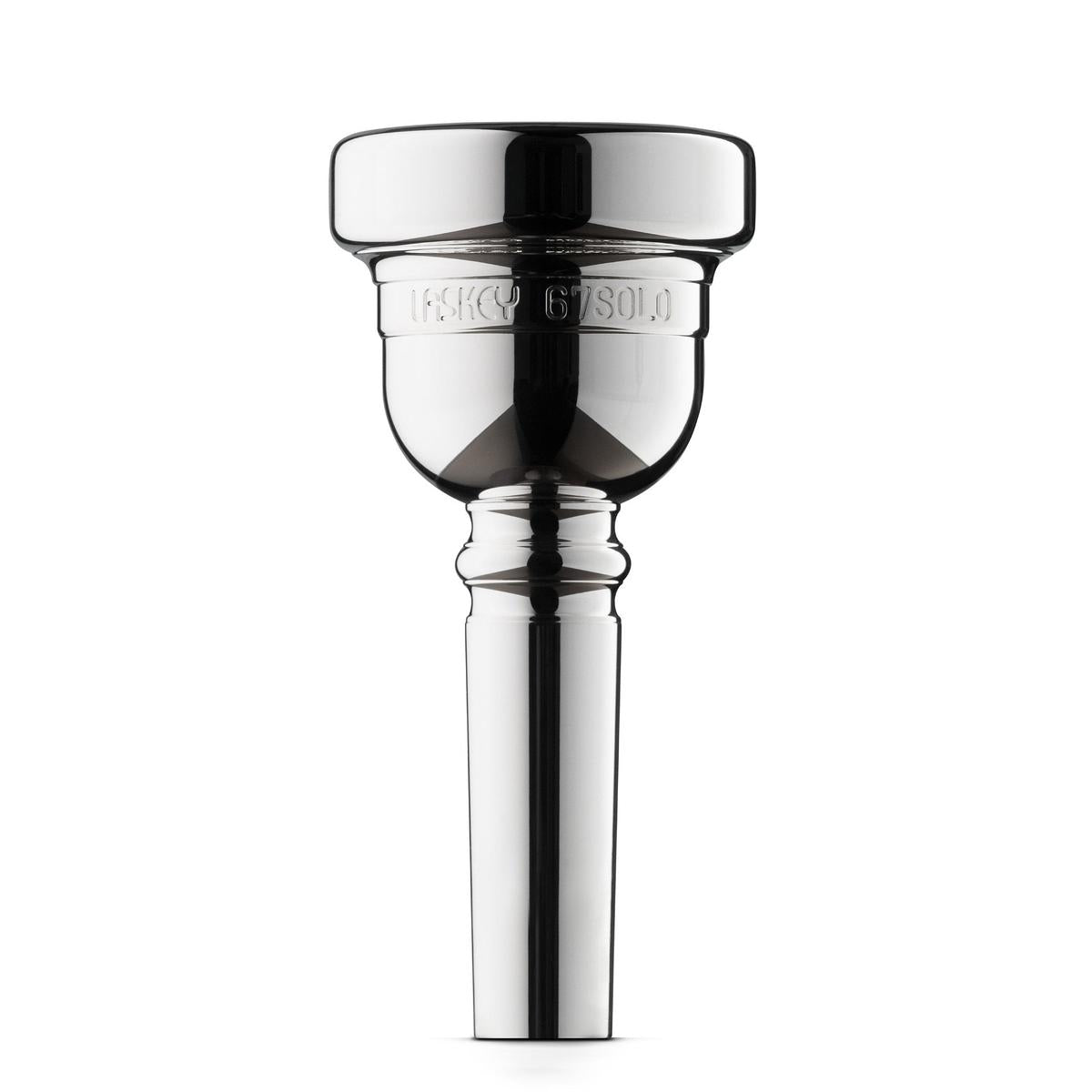
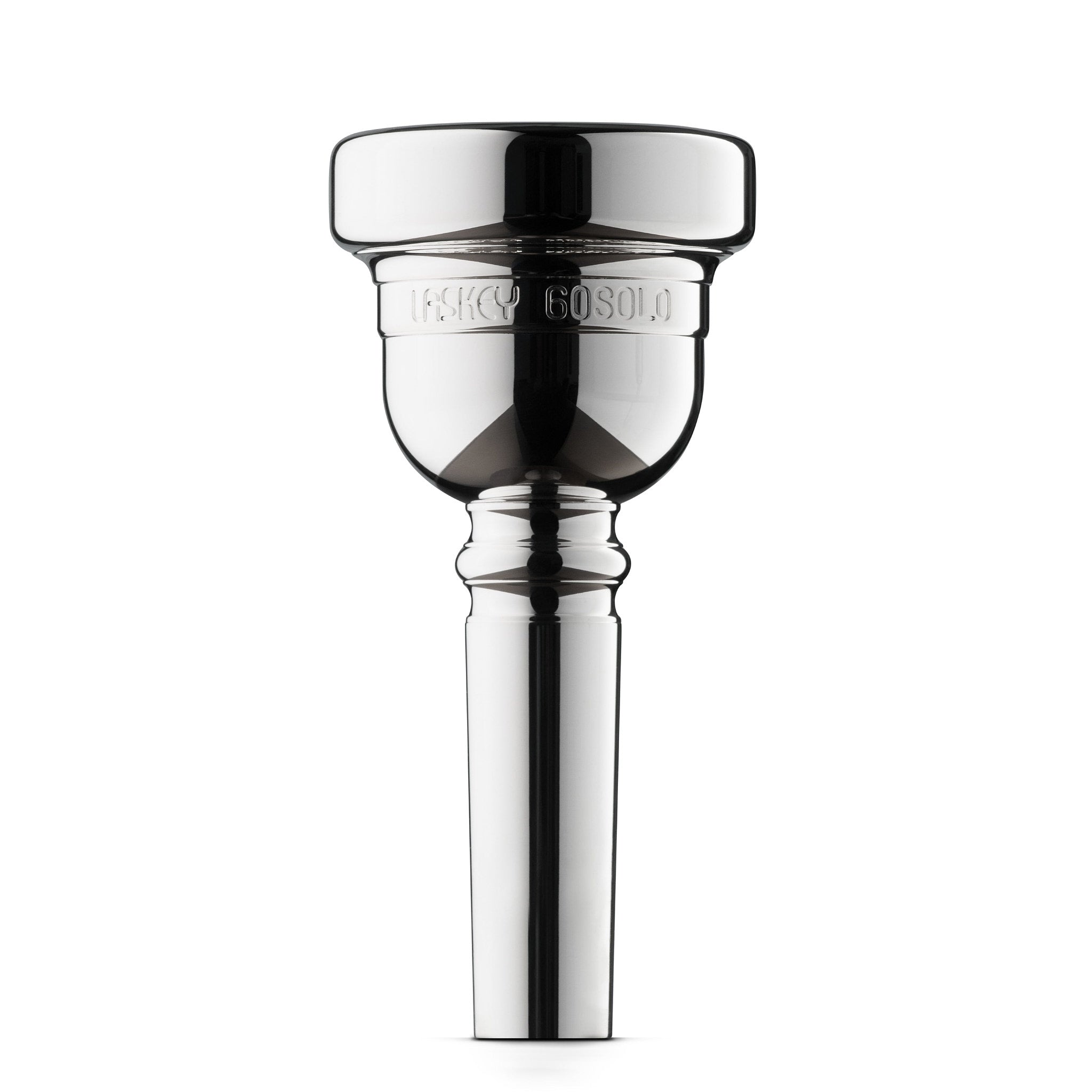
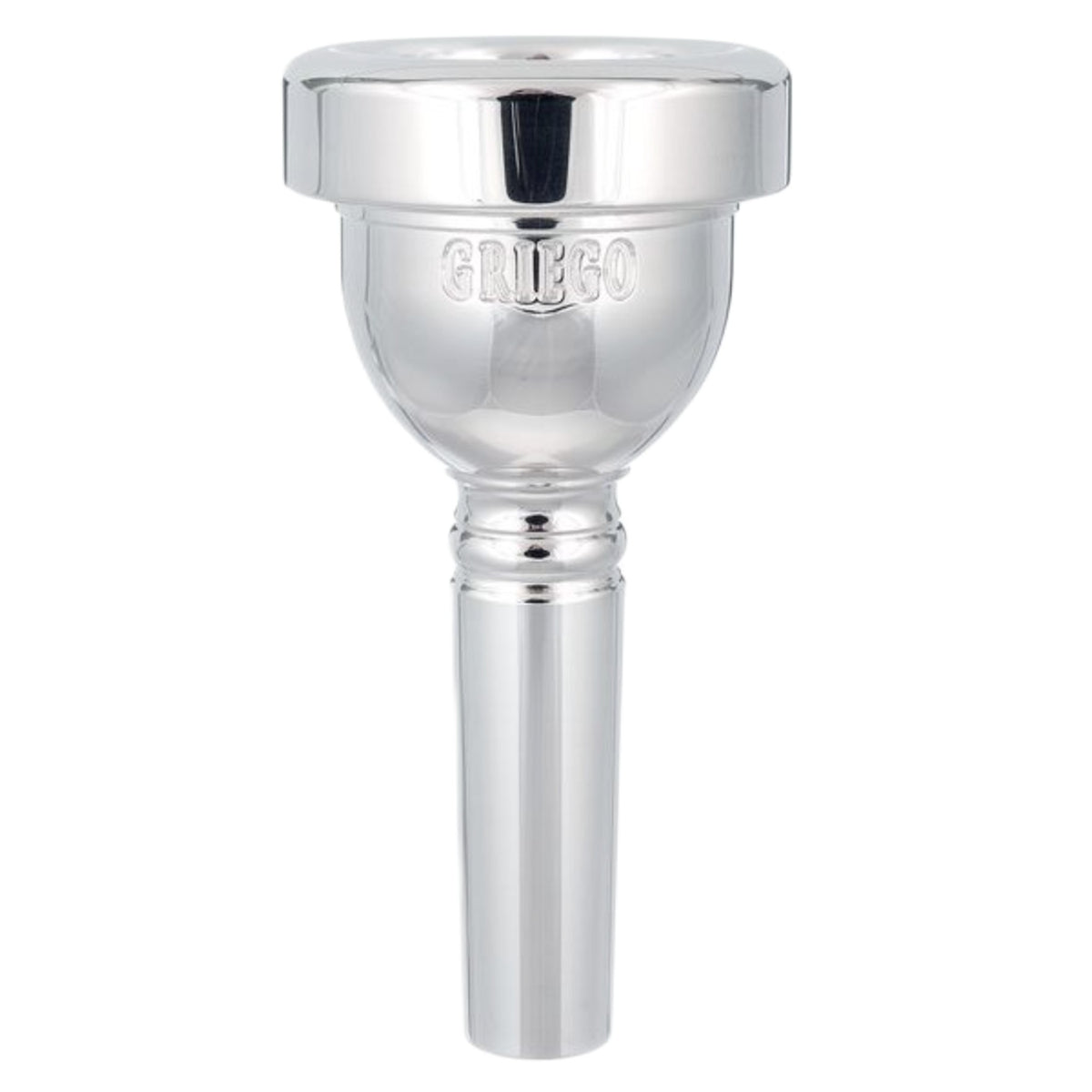
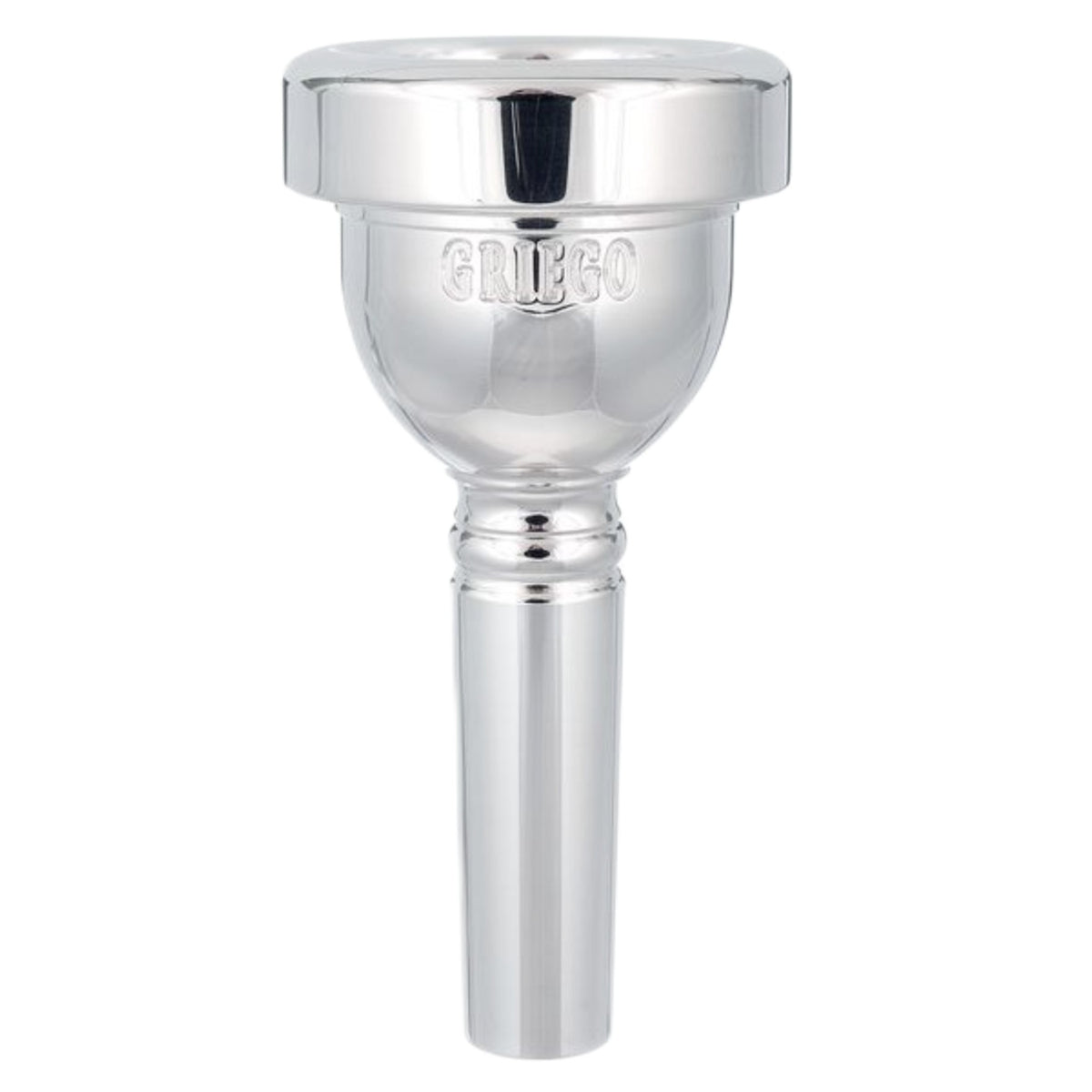
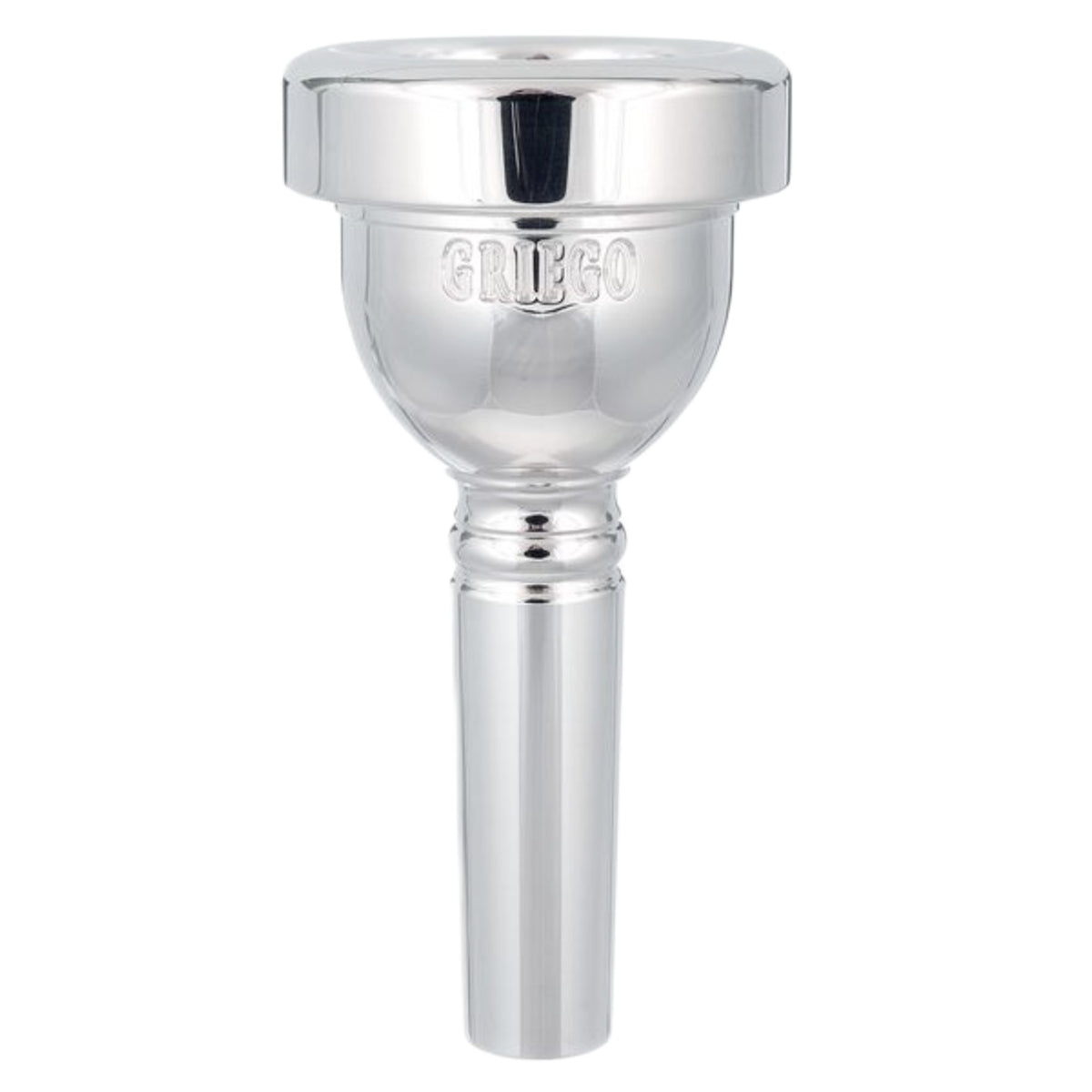
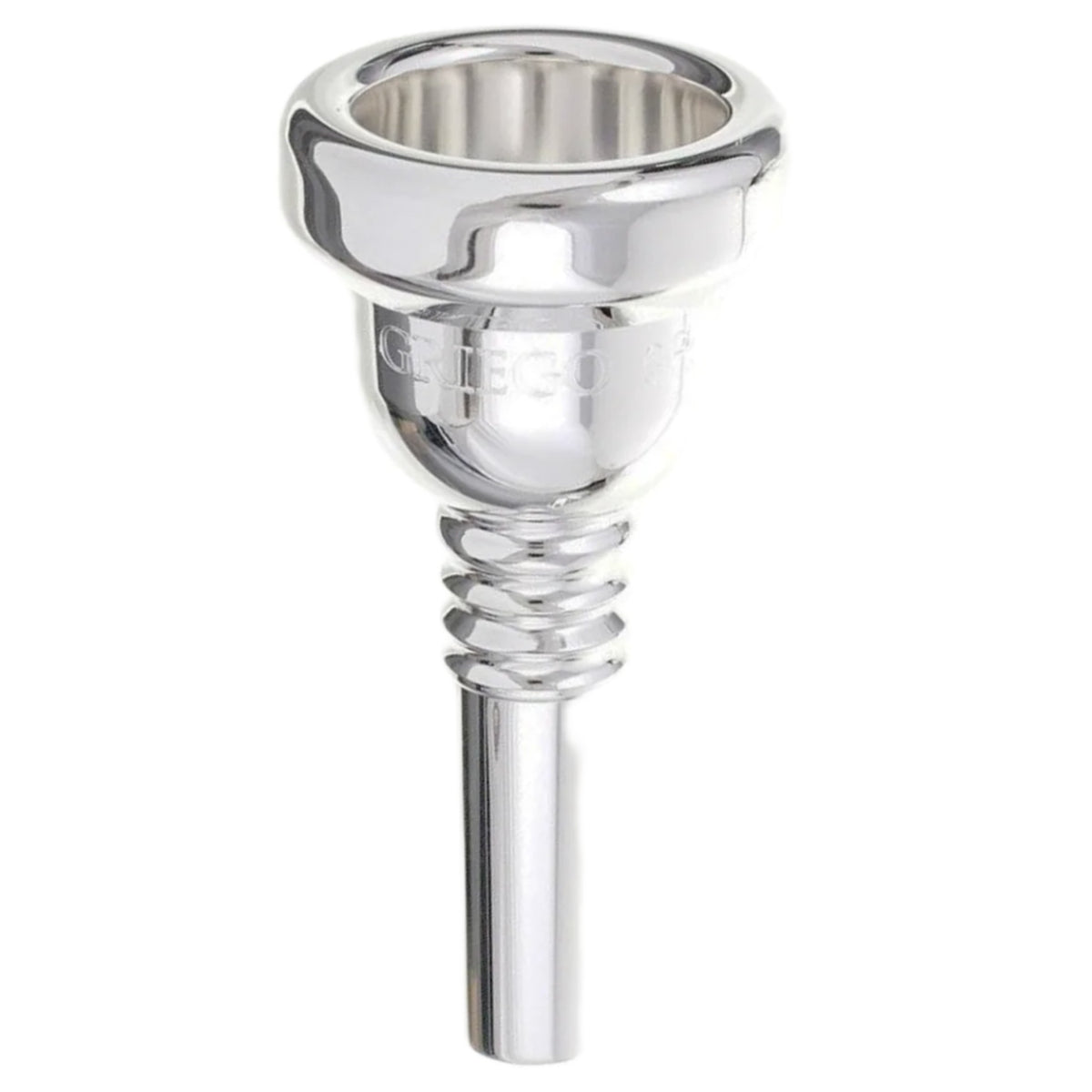
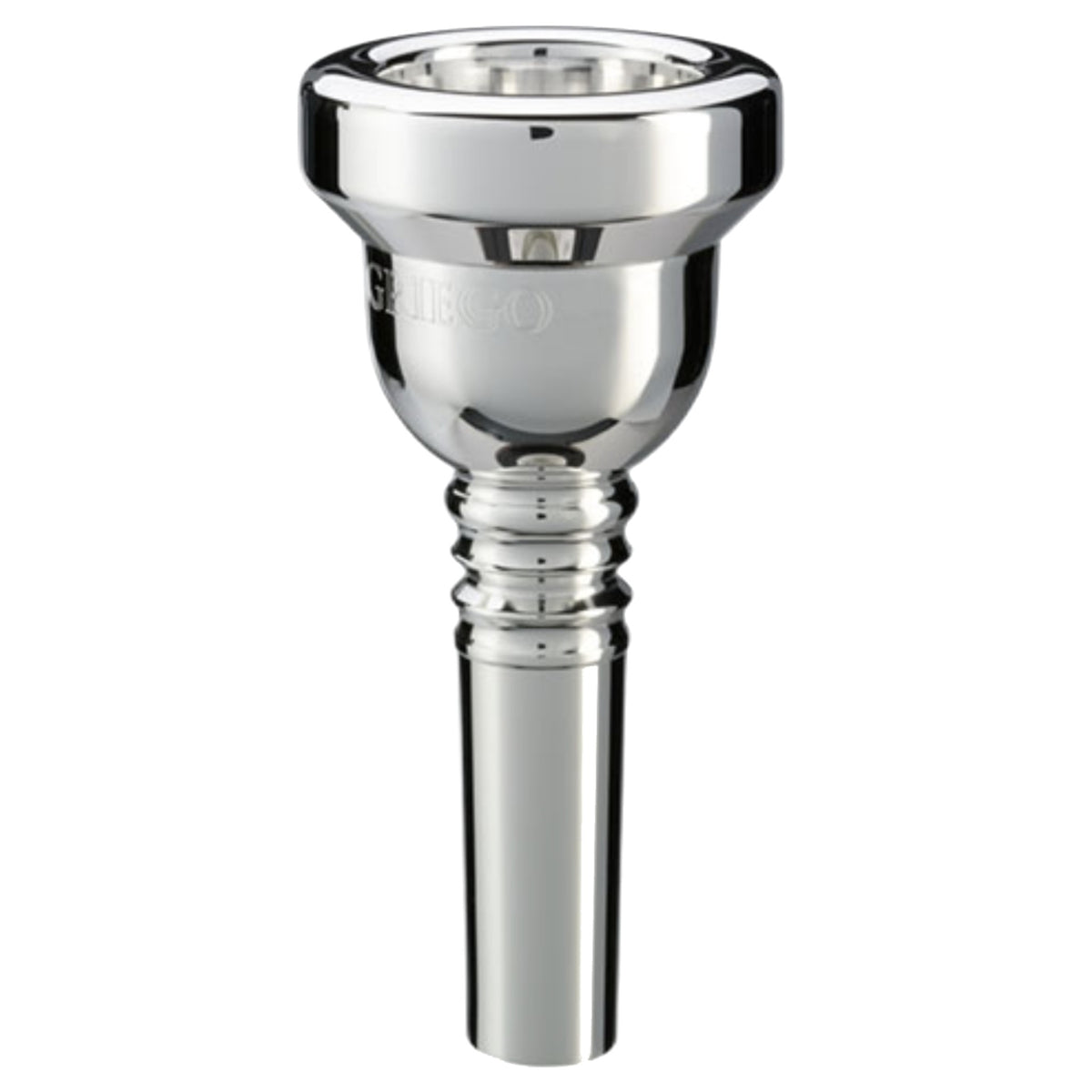
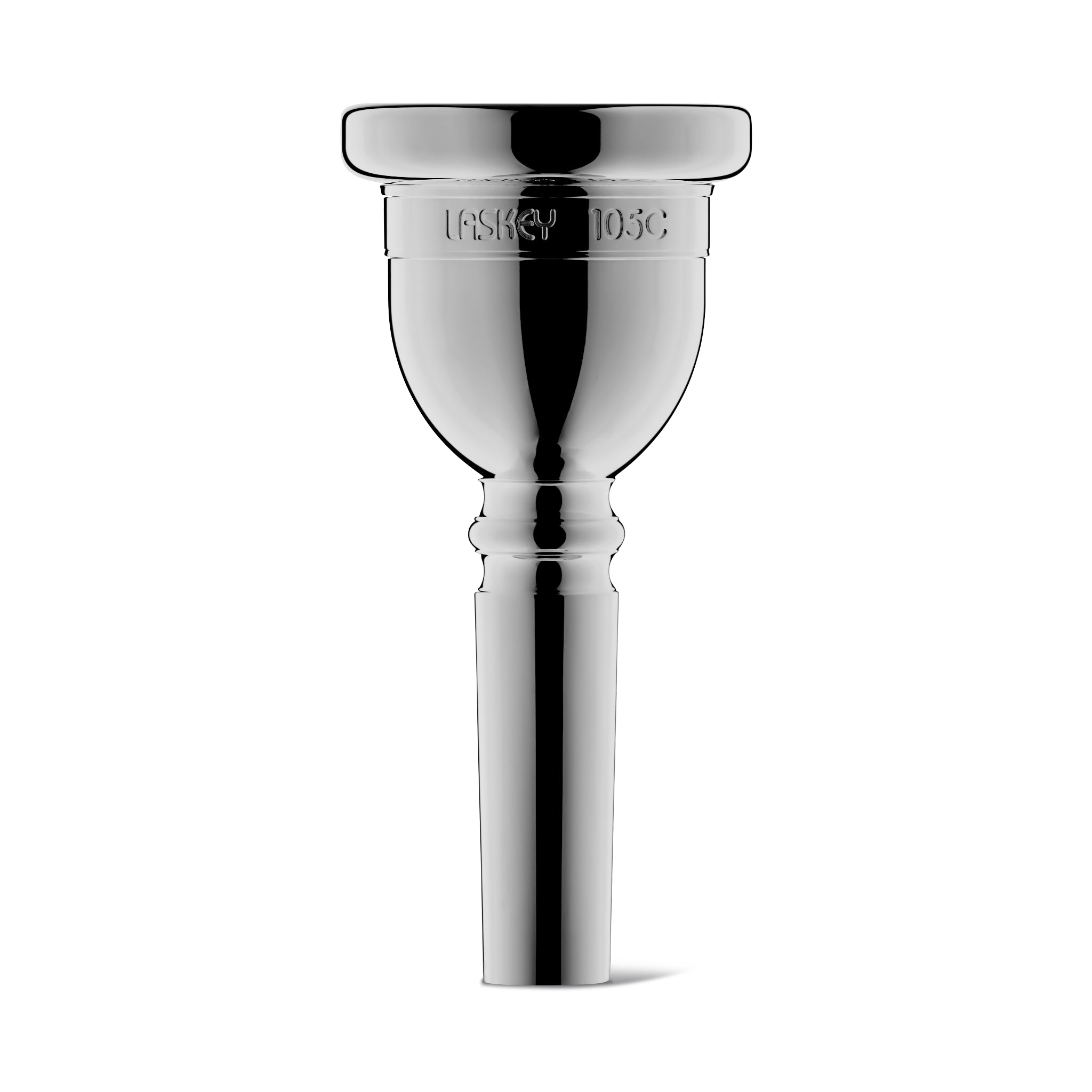
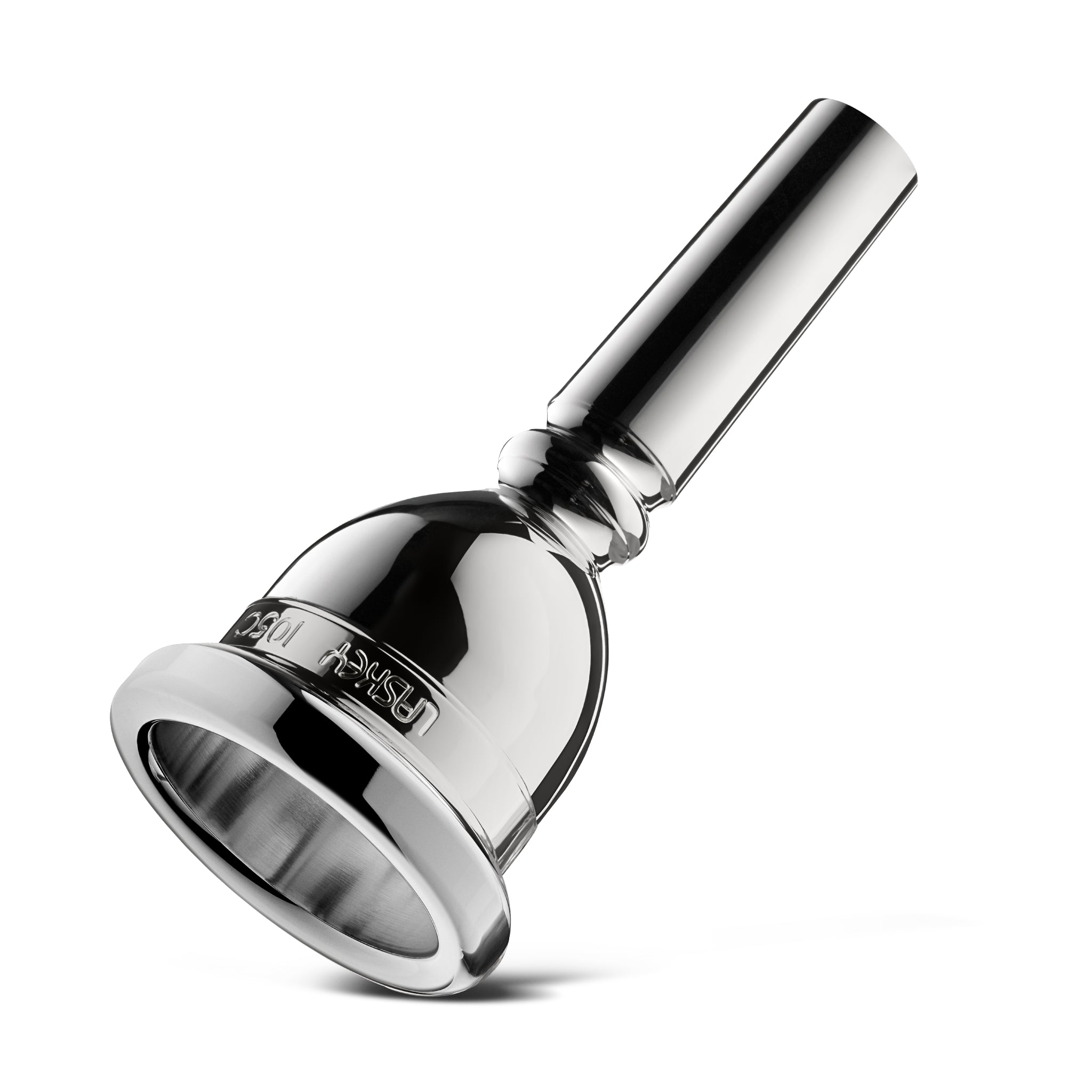
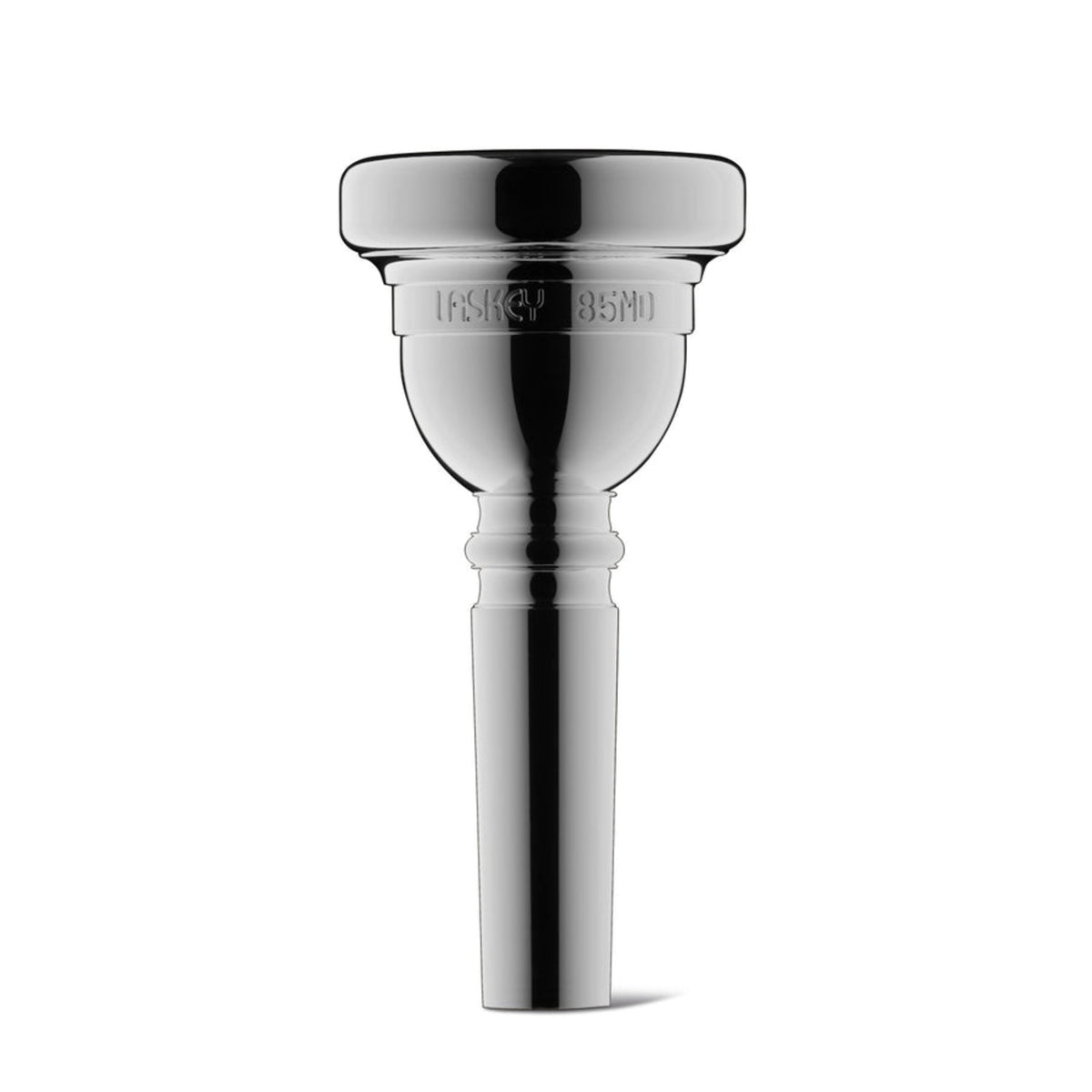
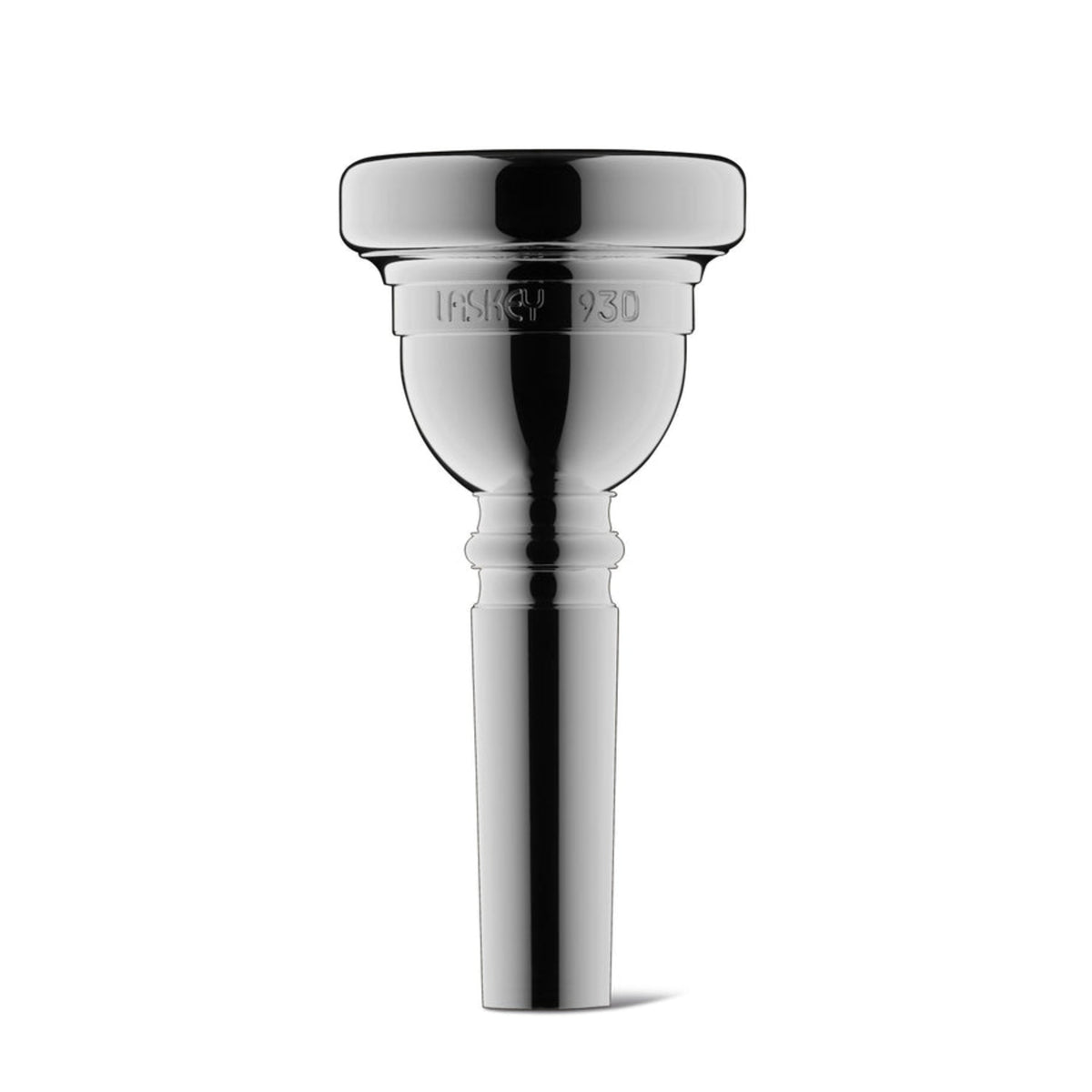
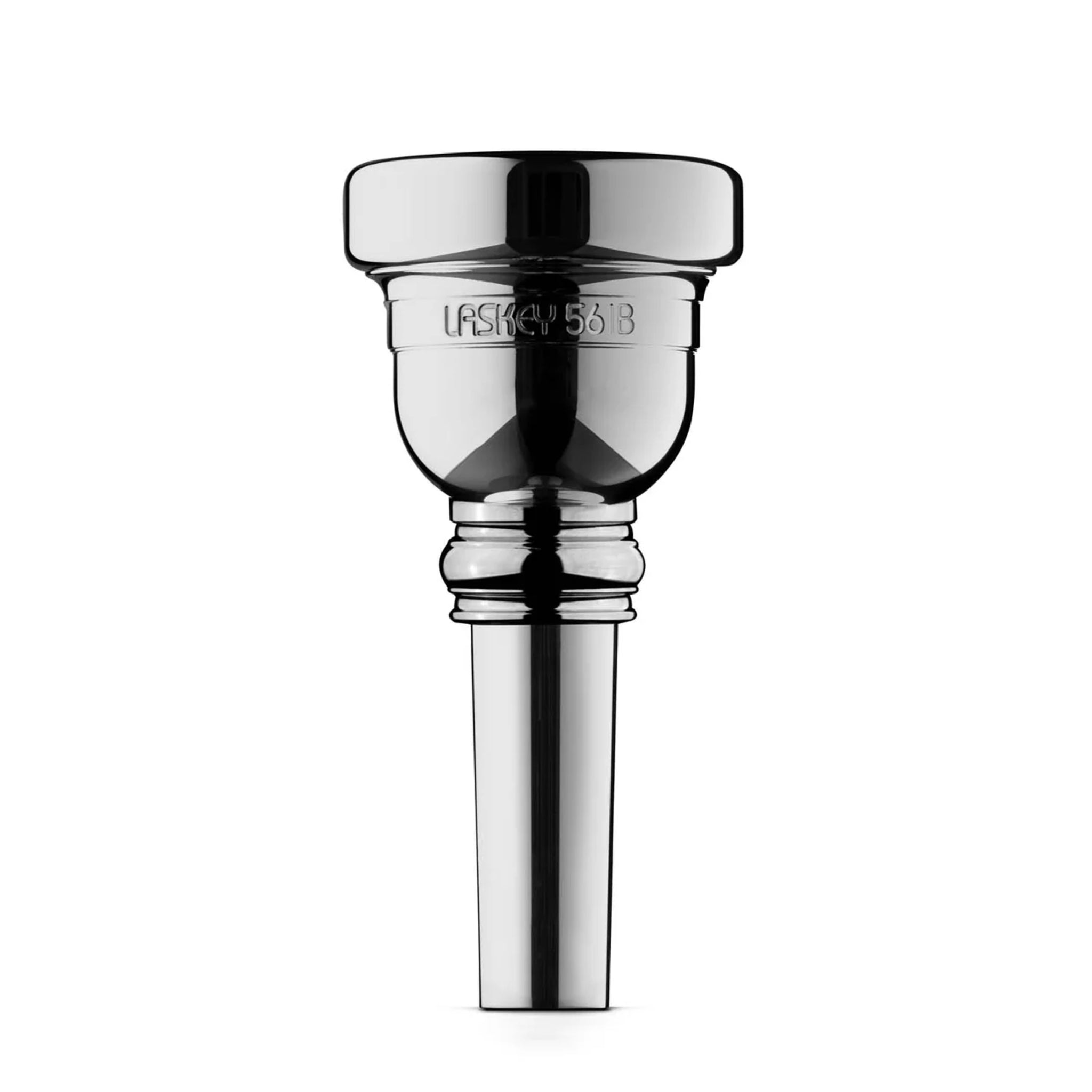
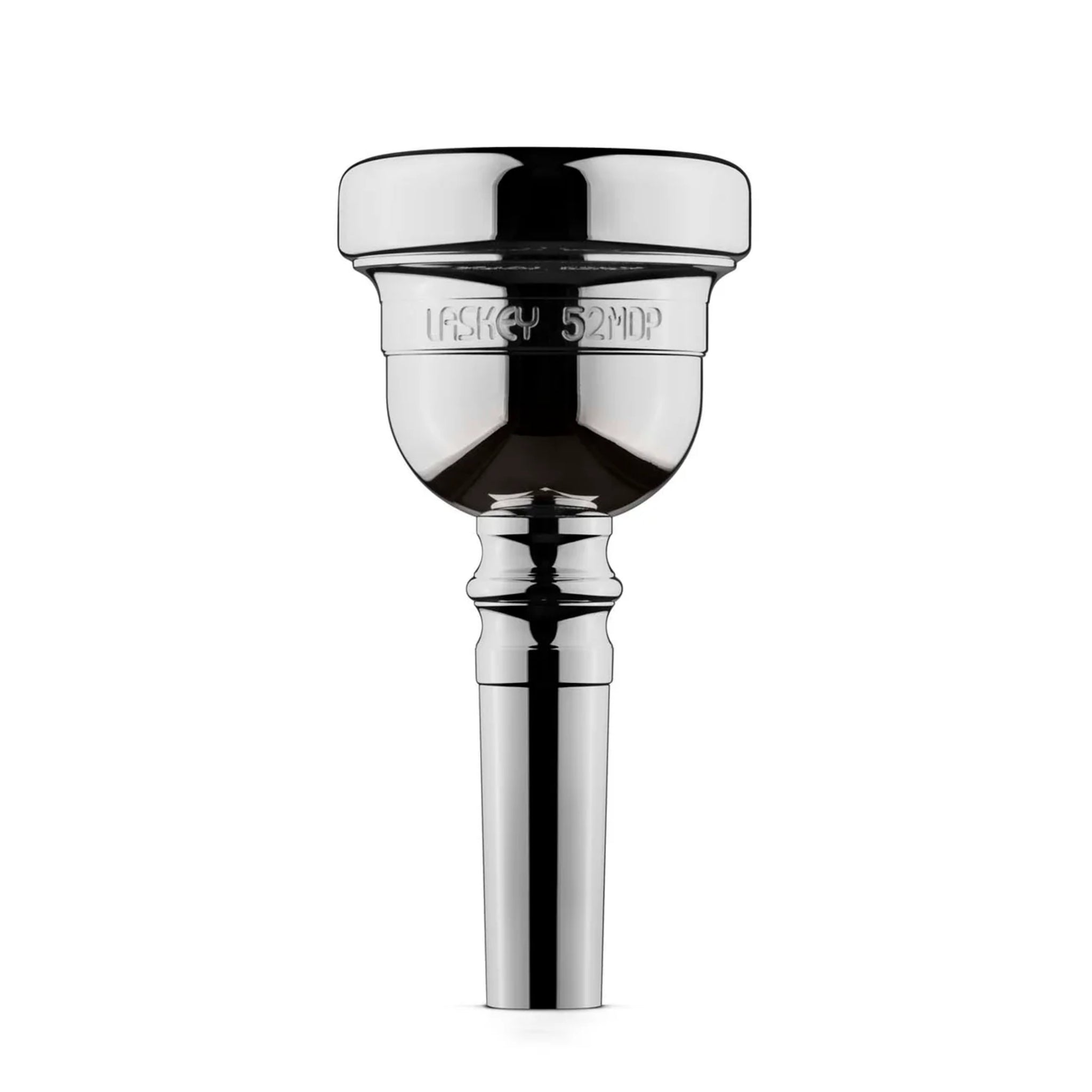
A trombone mouthpiece plays a major role in shaping the instrument’s tone, response, range, and projection. While the trombone itself provides the overall character of the sound, the mouthpiece is the player’s primary interface with the instrument and can significantly influence how the trombone performs. Differences in rim shape, cup depth, throat size, and backbore design all affect how the air column vibrates and how the sound develops.
One of the most noticeable factors is cup depth. Deeper mouthpiece cups generally produce a darker, warmer, and broader trombone tone that blends well in orchestral or symphonic settings. Shallower cups, on the other hand, tend to create a brighter, more focused sound that can make high notes easier to play and help the instrument project in jazz or commercial music.
The rim shape and width affect comfort and endurance. A wider rim can provide stability and support for long playing sessions, while a narrower rim may allow greater flexibility and articulation. Rim contour also affects how easily a player can move between registers and control dynamics.
The throat and backbore influence airflow and resistance. A larger throat and more open backbore typically create a freer-blowing feel with a bigger, broader sound, which many advanced players prefer for symphonic performance. A smaller throat or tighter backbore adds resistance, which can help some players control articulation, improve endurance, and focus the tone.
Ultimately, choosing the right trombone mouthpiece depends on the player’s embouchure, musical style, and the type of trombone being used (tenor, bass, large bore, or small bore). Many trombonists experiment with several mouthpieces to find the combination that delivers the best tone quality, response, and playability for their individual needs.