call

Trombones at The Mighty Quinn Brass and Winds

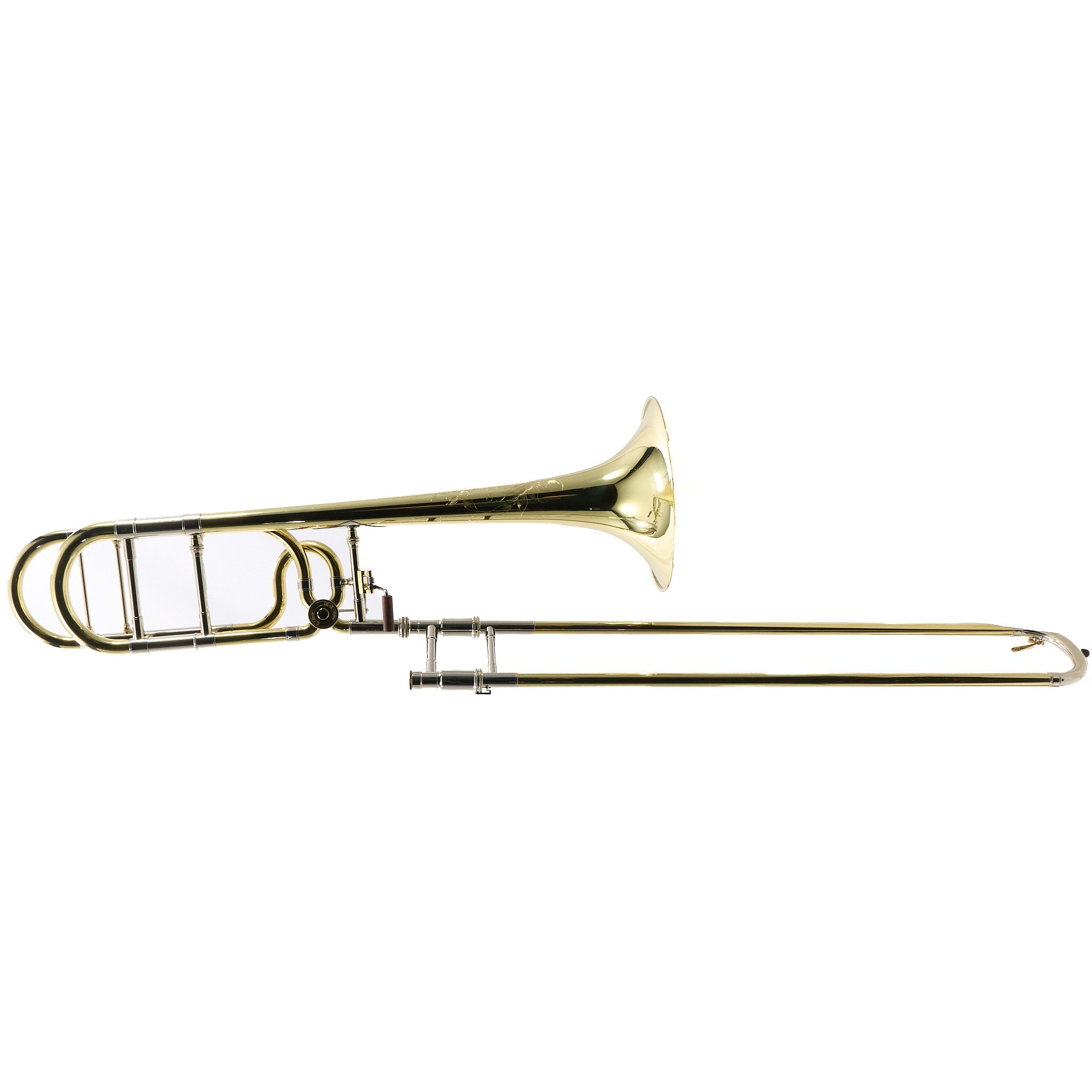
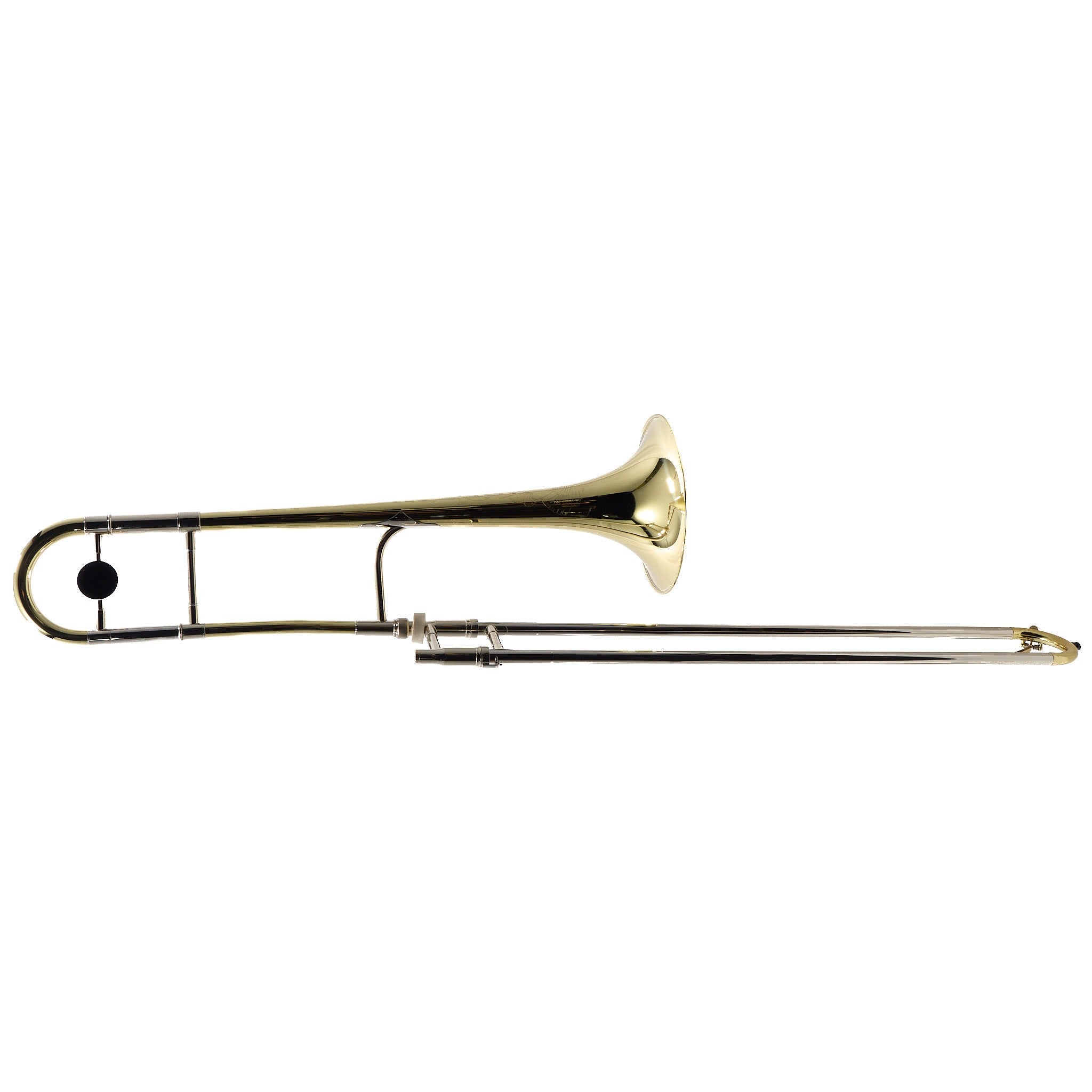
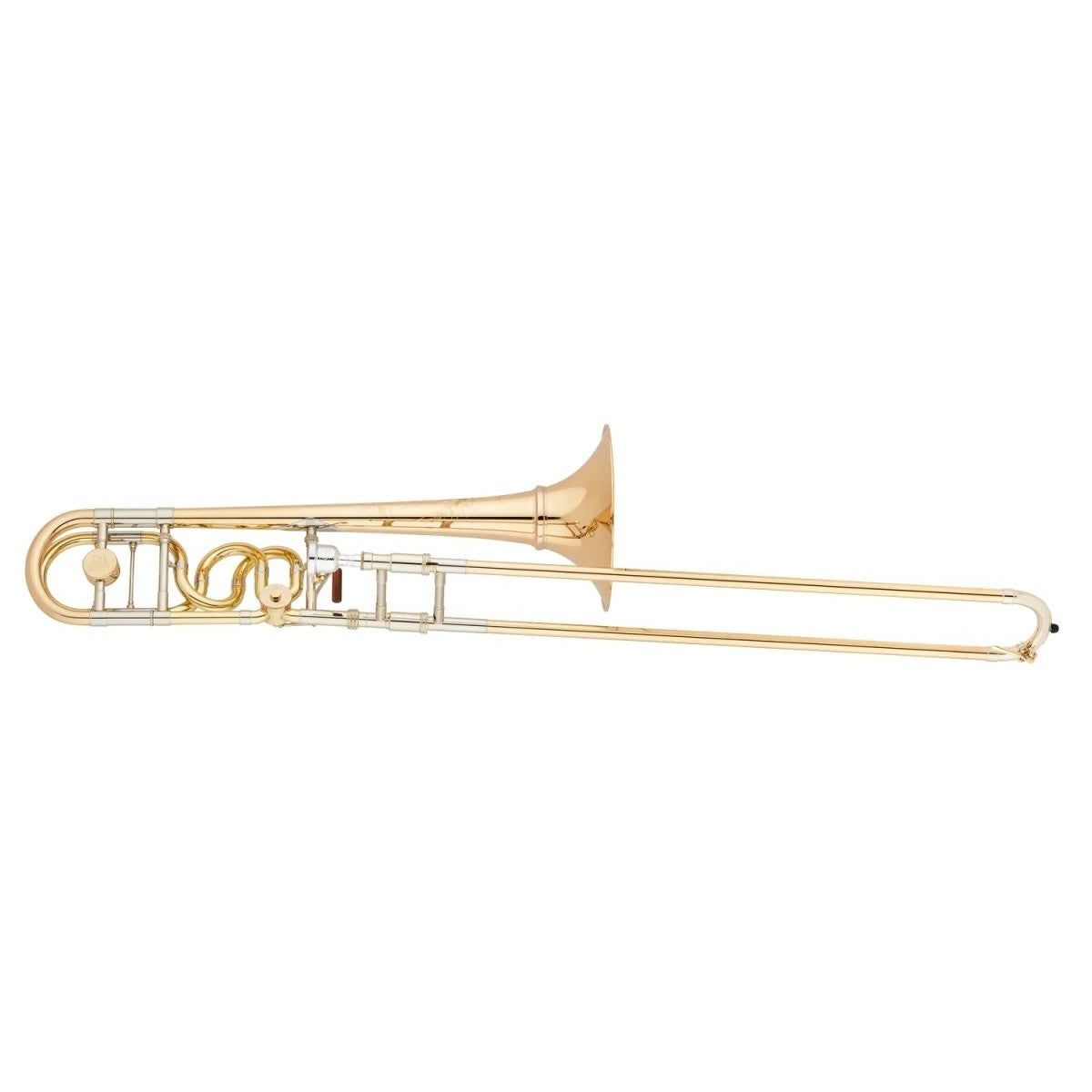
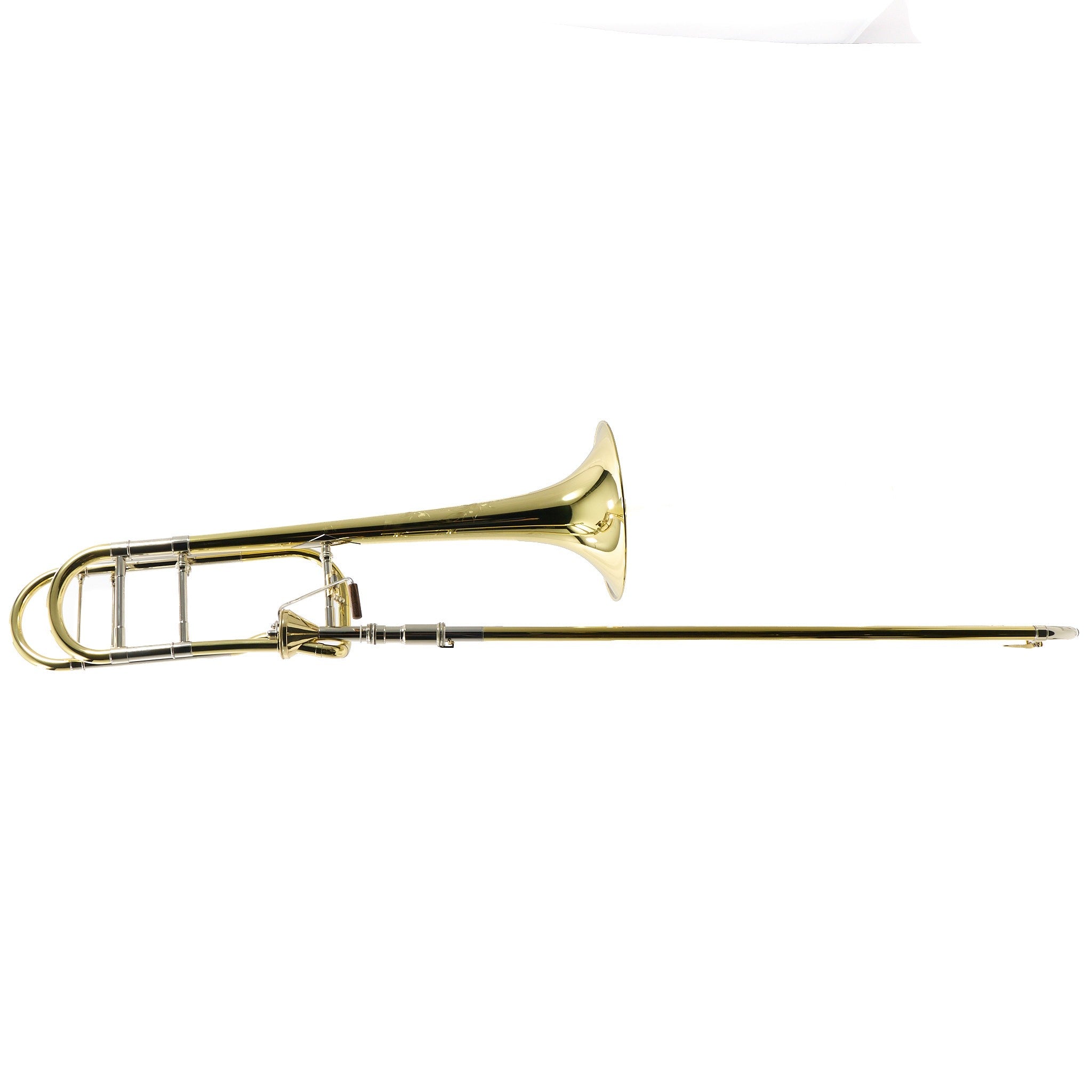
Shop premium trombones for sale at The Mighty Quinn Brass and Winds, featuring student, intermediate, and professional models designed for powerful projection, smooth slide action, and precise intonation. Our selection includes alto, tenor, and bass trombones in lacquer and silver plate, with options such as F-attachment, dual-bore slides, open-wrap designs, and axial-flow or rotary valves for enhanced airflow and tonal flexibility. Whether you’re performing orchestral repertoire, jazz solos, brass band literature, or commercial work, our trombones deliver rich, centered tone and dynamic control across all registers. Every instrument is professionally inspected and adjusted to ensure responsive playability and mechanical reliability. Shop trombones online with expert guidance, secure checkout, and fast shipping from trusted brass specialists at The Mighty Quinn Brass and Winds.

Browse new, refurbished, used, & vintage trombones by Bach, Conn, Eastman, Jupiter XO, King, Shires, Yamaha & more at great prices.

Find it. Play it. Love it.

FAQs

What are the different types of trombones?

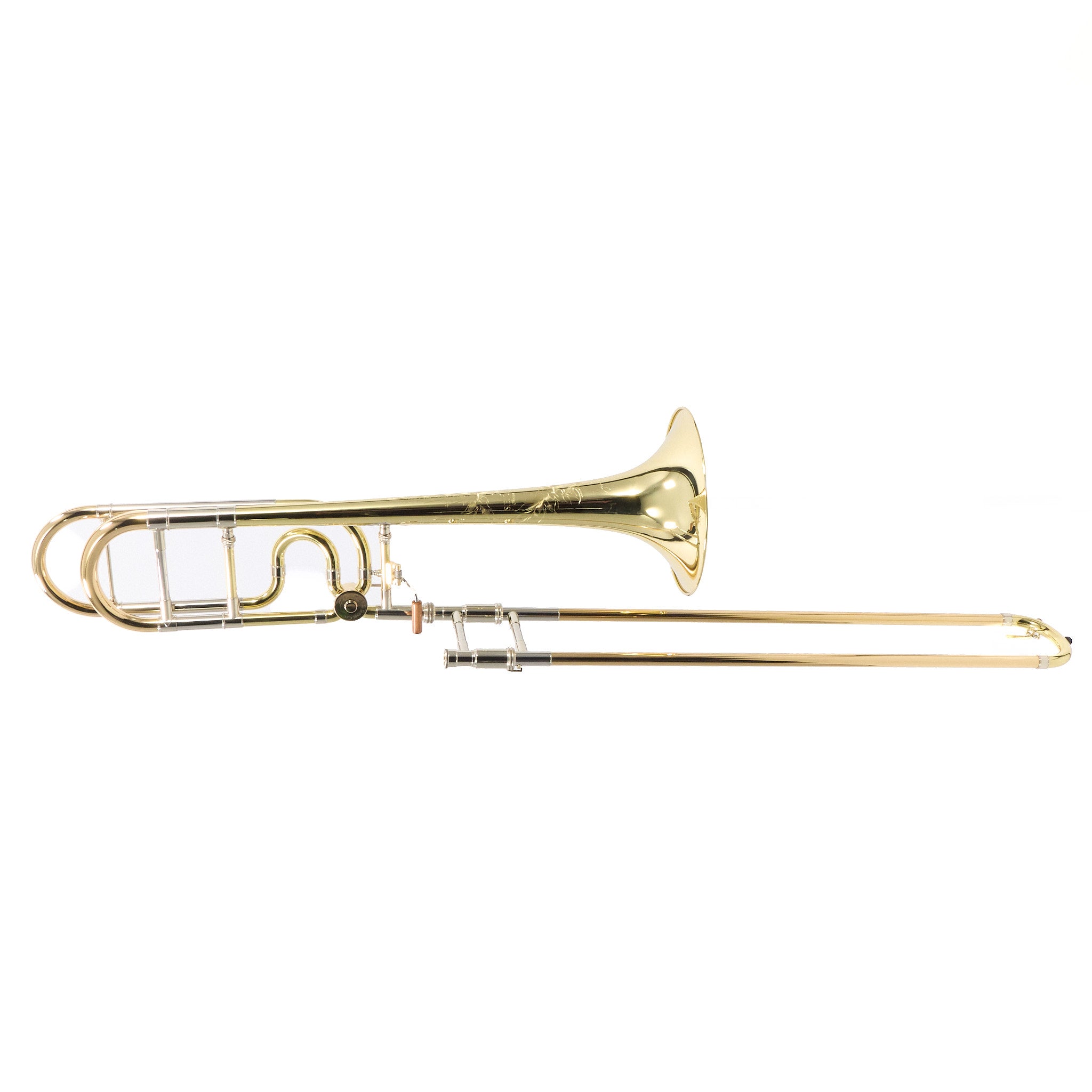
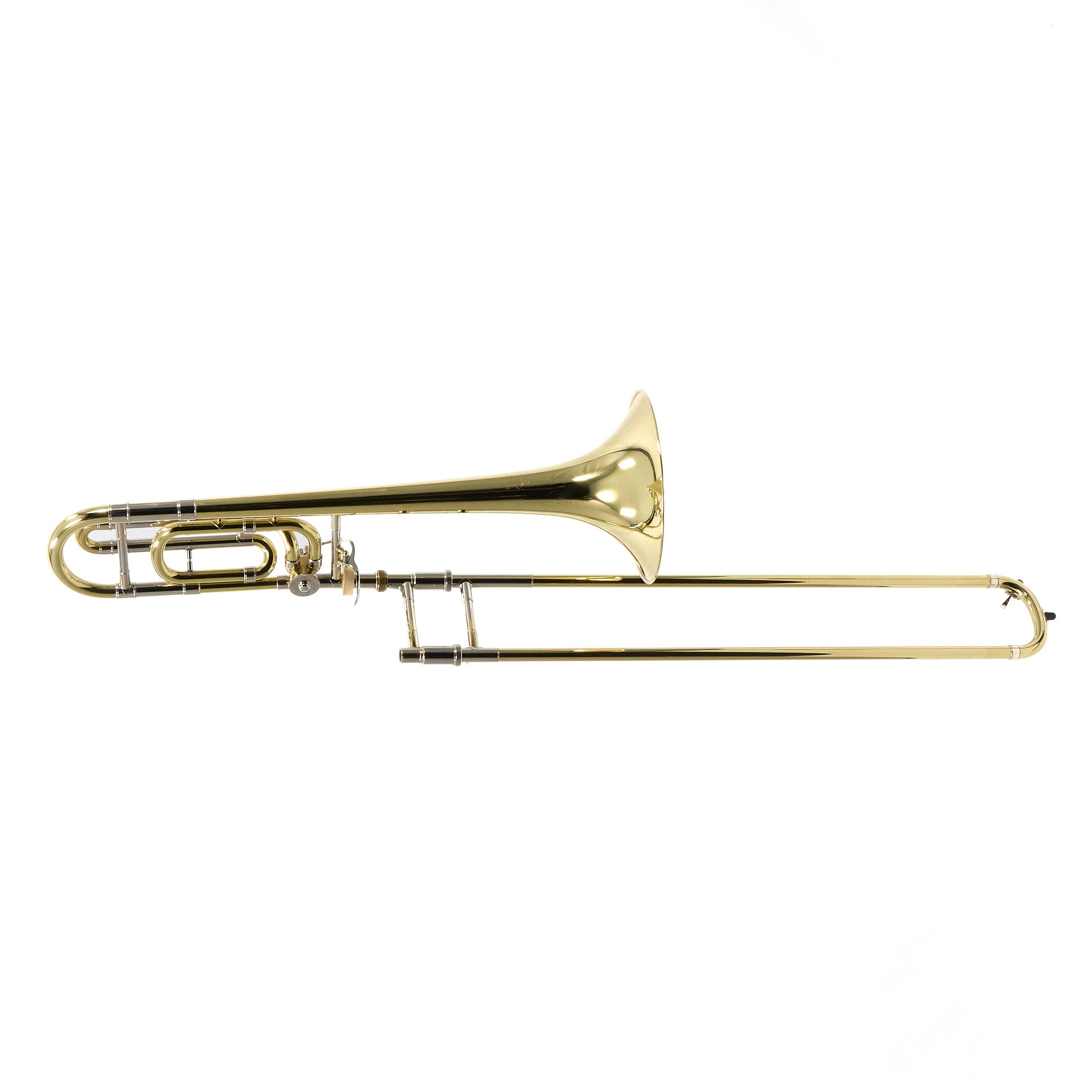
The most common trombone is the tenor trombone, used in band, orchestra, jazz, and commercial settings. Bass trombones are larger and include one or two valves for extended low range. Alto trombones are smaller and pitched higher, often used in orchestral repertoire.

What is an F-attachment?

An F-attachment (trigger) adds extra tubing that lowers the instrument’s pitch when engaged, extending the low range and providing alternate slide positions. It is common on intermediate and professional tenor trombones.

What is the difference between small bore and large bore trombones?

Small bore trombones typically produce a brighter, more focused sound suited to jazz and commercial playing. Large bore trombones offer a broader, darker tone often preferred in orchestral and symphonic settings.

How do materials affect trombone sound?

Yellow brass tends to sound brighter and more direct, while gold or rose brass (with higher copper content) can produce a warmer, darker tone. Bell weight and construction also influence projection and response.

What’s the difference between student and professional trombones?

Student models prioritize durability and ease of response, while professional instruments feature refined slide tolerances, upgraded materials, and greater tonal complexity for advanced performance demands.

What is the difference between an open and a closed wrap?

Open wrap and closed wrap refer to how the F-attachment tubing is arranged on a tenor trombone. A closed wrap keeps the extra tubing compact and tightly curved, resulting in a more traditional feel with slightly more resistance when the trigger is engaged. An open wrap uses broader, more gradual bends, allowing air to flow more freely and creating a more open, less resistant response in the low register. Many players feel open wrap designs provide a smoother blow and greater flexibility, while closed wrap models can offer a bit more centered resistance and compact balance.

What are the differences between the different F-attachment valve designs?

The most common types of valve designs are the traditional Rotary valve, Meinl-Schmidt open-flow valve, Hagmann valve, and Axial flow (Thayer) valve. While all perform the same function—redirecting air through the F-attachment tubing to extend the instrument’s range—they differ in how smoothly air moves through the valve and how the instrument feels to play.

Traditional rotary valves are the oldest and most widely used design. They use a rotating cylindrical rotor that redirects airflow through the attachment tubing. Rotary valves tend to produce a slightly more compact airflow path with a small amount of resistance, which many players appreciate because it provides a centered tone and clear articulation. They are also extremely reliable, easy to maintain, and commonly found on both student and professional trombones.

Meinl-Schmidt open-flow valves are an evolution of the rotary valve designed to improve airflow. The internal porting is shaped to reduce sharp turns in the air path, allowing air to move more freely through the valve. This design maintains the familiar feel and reliability of a rotary valve while offering a slightly more open response and smoother transition between the open horn and the F-attachment register.

Hagmann valves use a multi-port rotor design that significantly straightens the air path through the valve section. Because the air encounters fewer abrupt bends, many players experience a more open feel and a smoother response when using the F-attachment. Hagmann valves are particularly popular among orchestral and solo trombonists who want the attachment register to feel almost identical to the open horn.

Axial flow valves, often called Thayer valves, take a different approach by aligning the airflow more directly through the valve rather than redirecting it around tight corners. This design creates one of the most open and free-blowing valve sections available, which can make the low register feel very responsive and powerful. However, axial flow valves are mechanically more complex and may require more careful maintenance than traditional rotary designs.

In practical terms, the differences between these trombone F-attachment valve types come down to airflow, resistance, and playing feel. Rotary valves offer dependable response and tonal focus, while designs like the Meinl-Schmidt, Hagmann, and axial flow valves aim to create a more open blow and smoother airflow through the instrument. Professional trombonists often choose the valve style that best matches their preferred resistance level, tonal concept, and musical setting.