Trumpets, Cornets & Flugelhorns
105 products
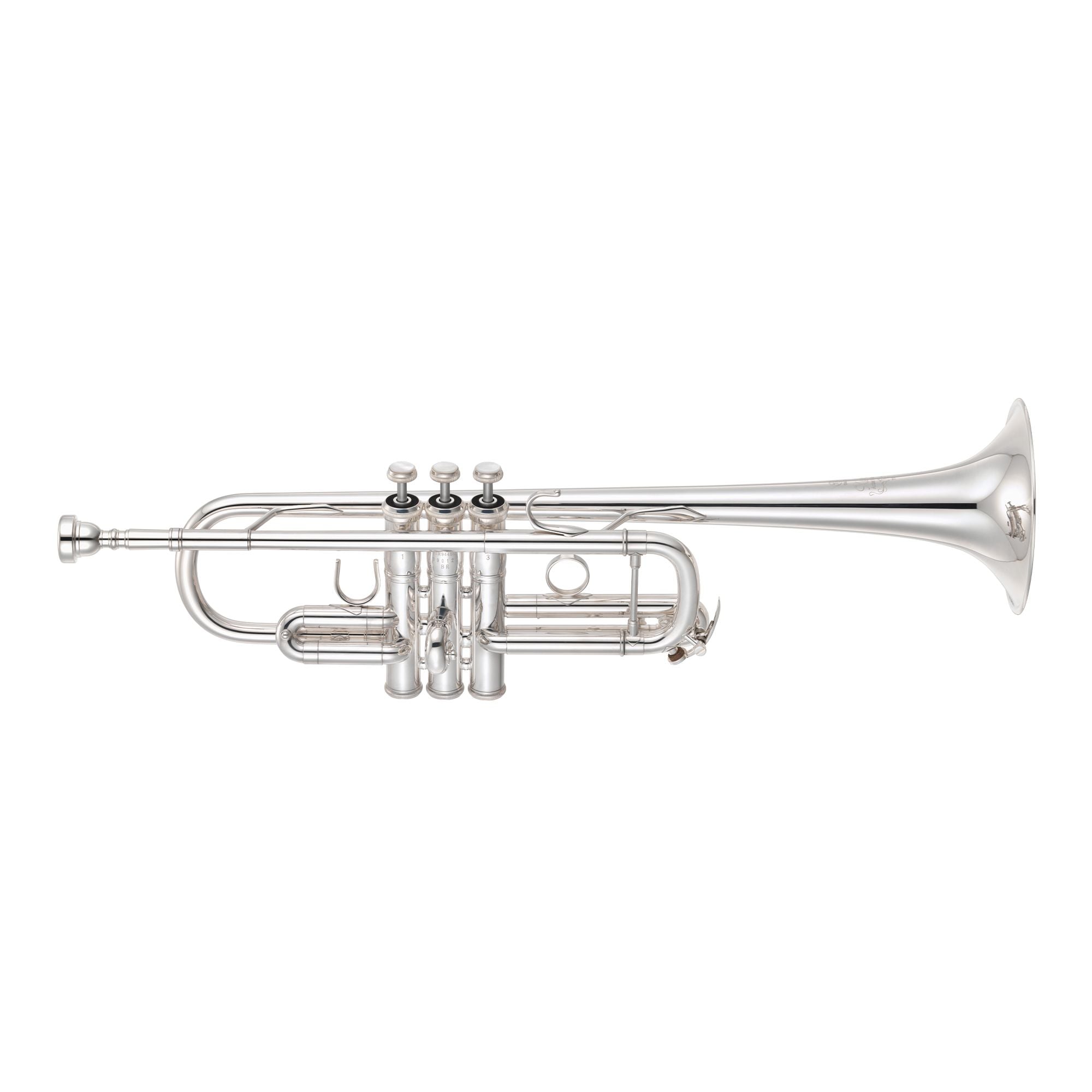
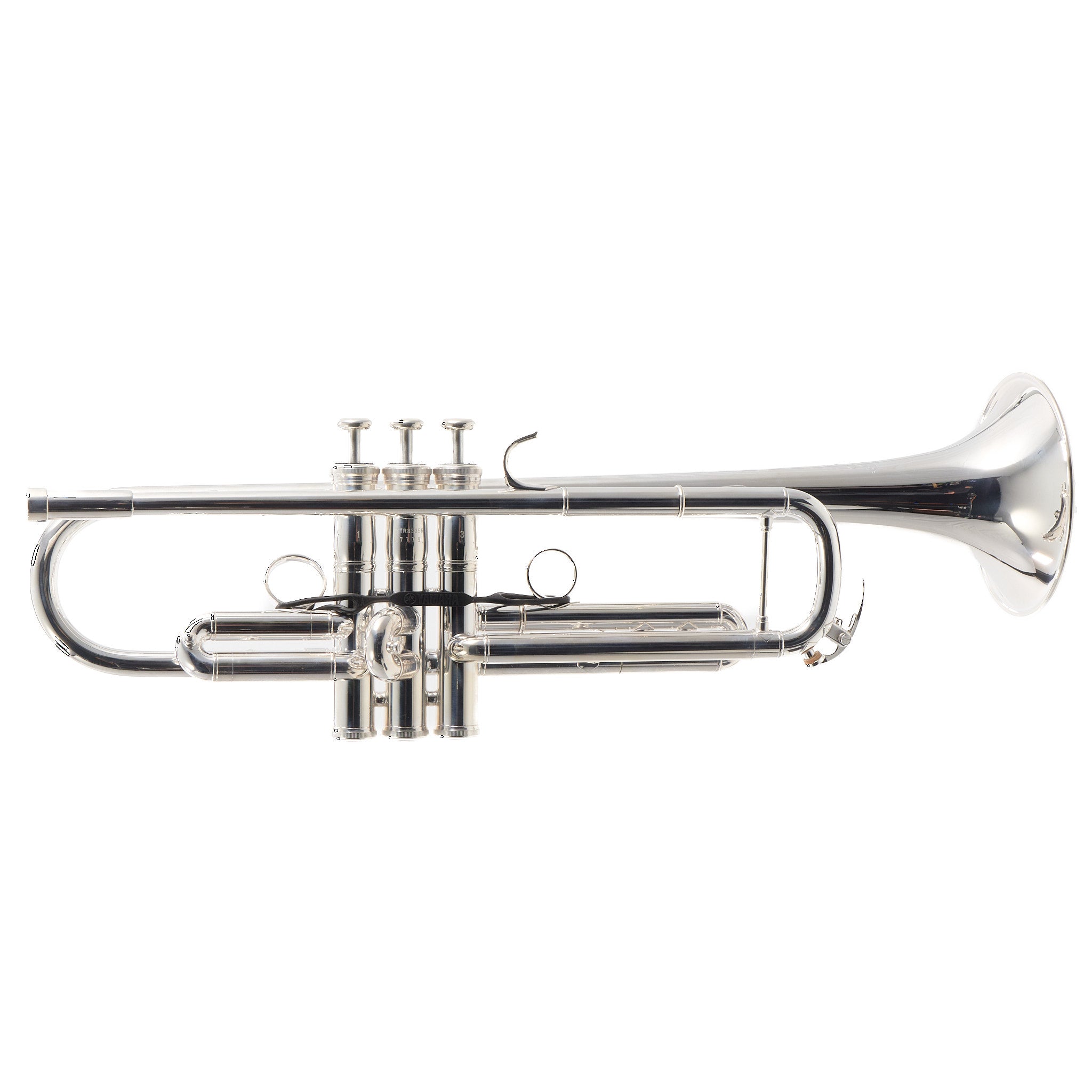
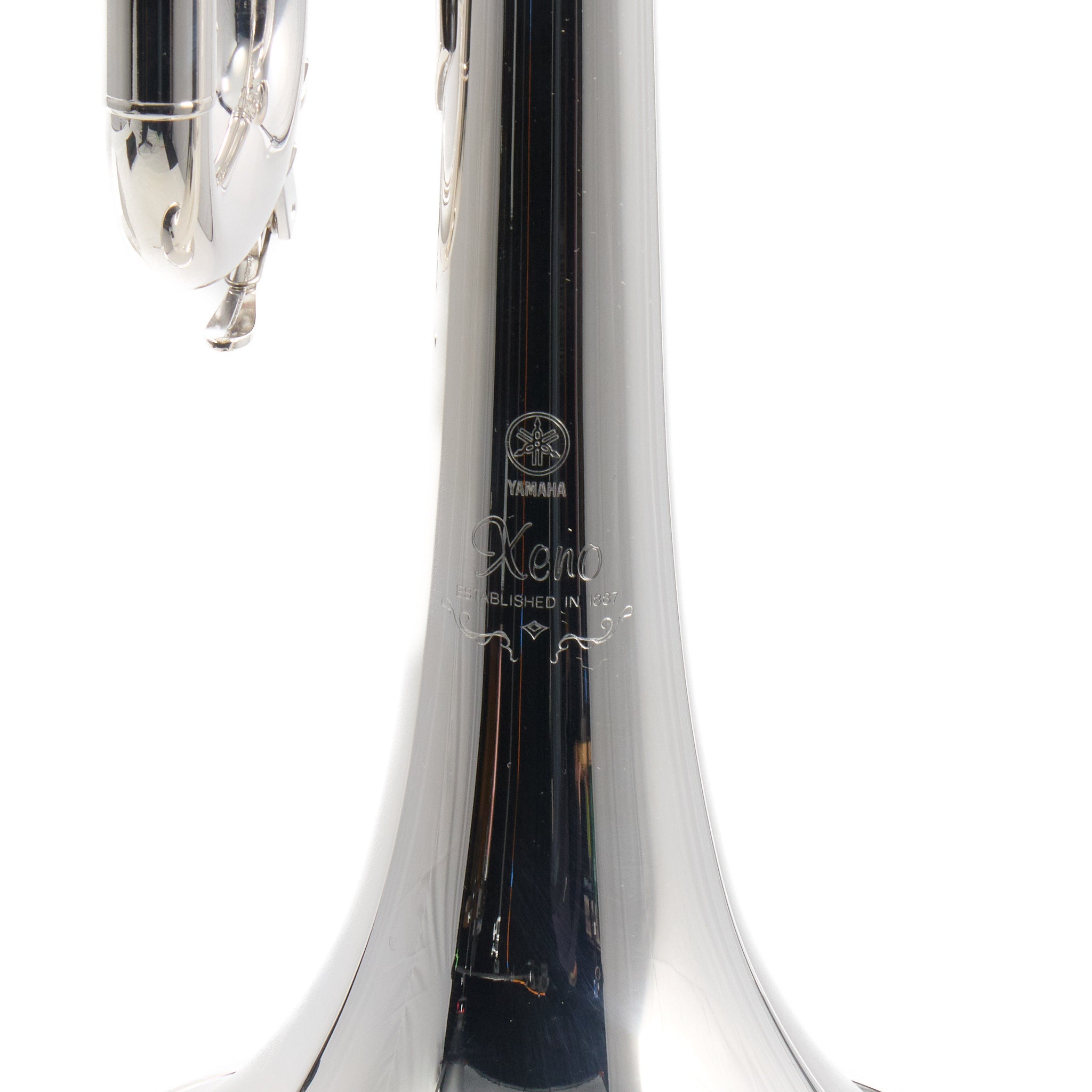
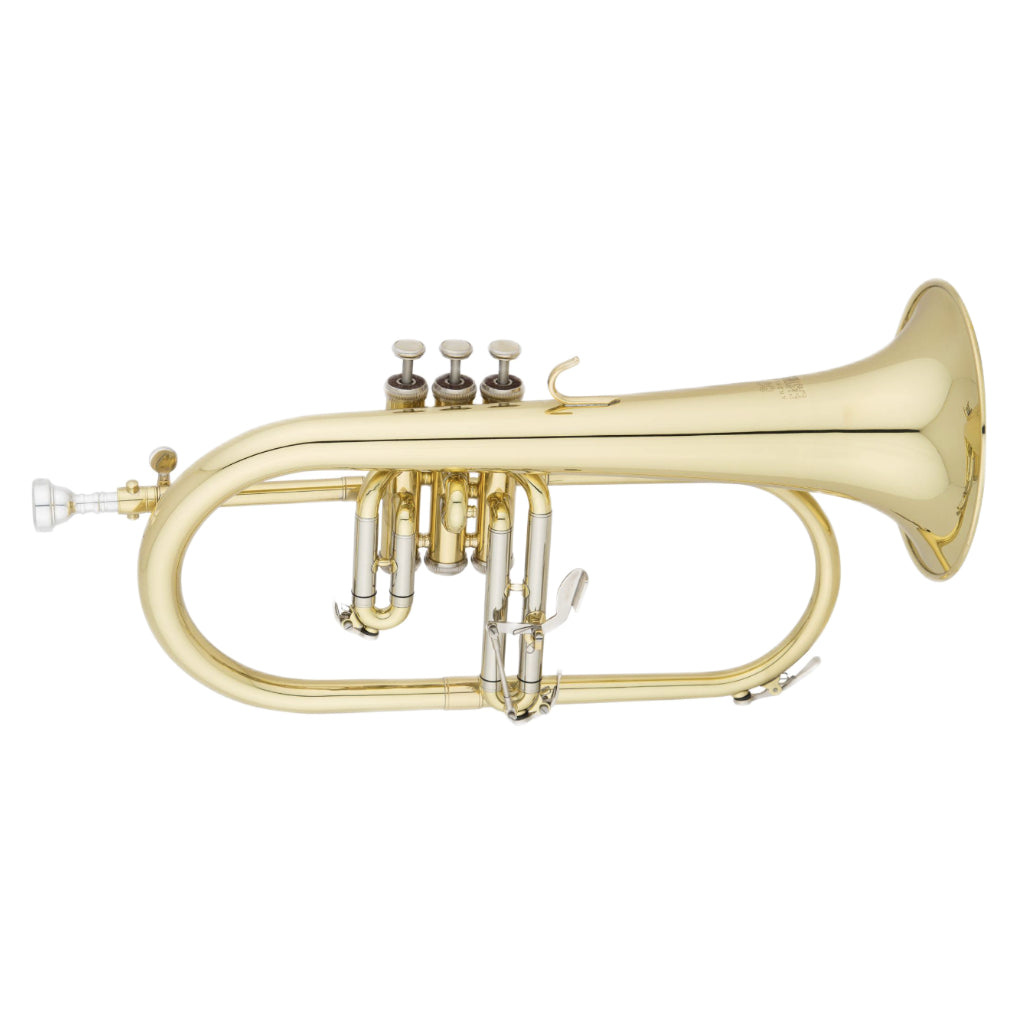
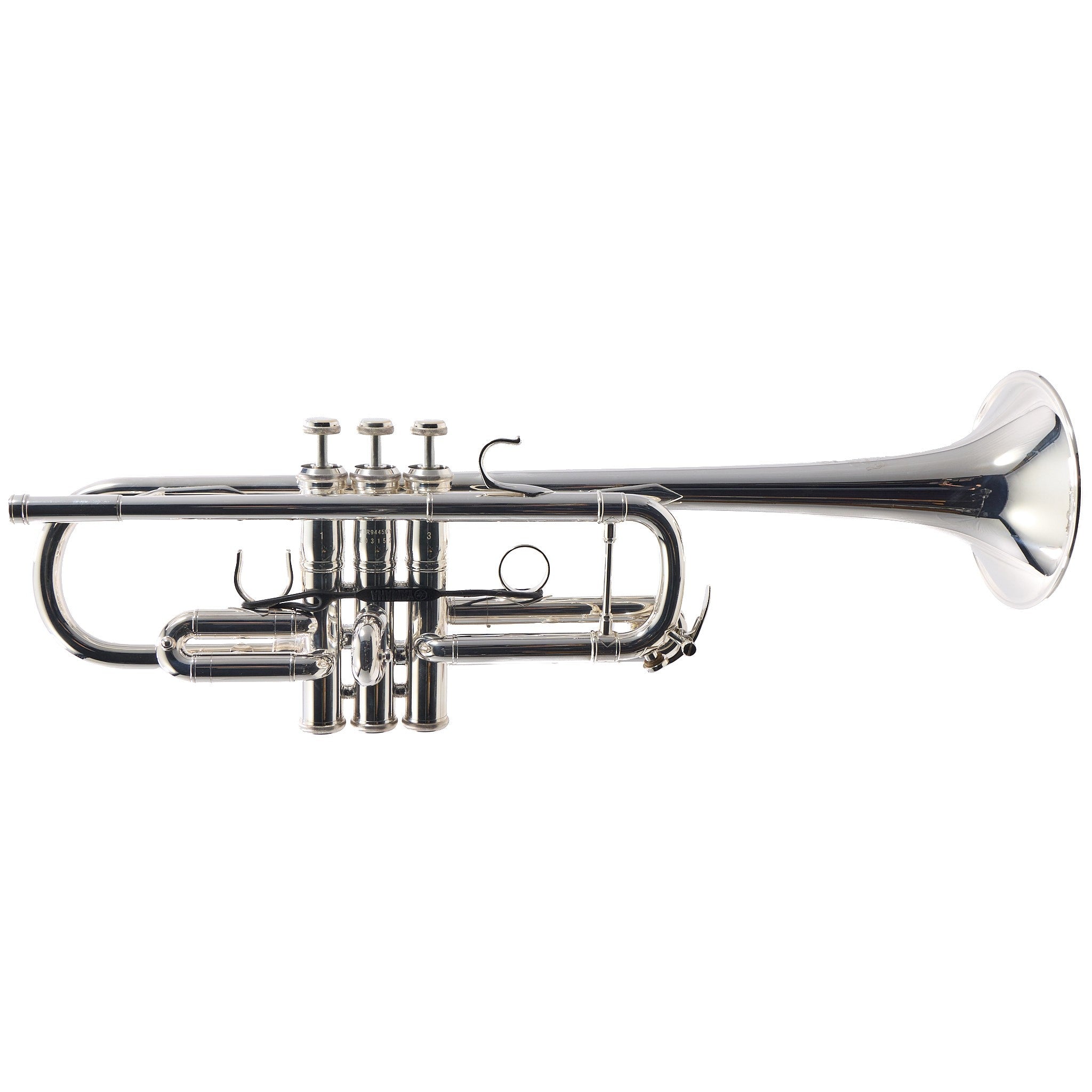
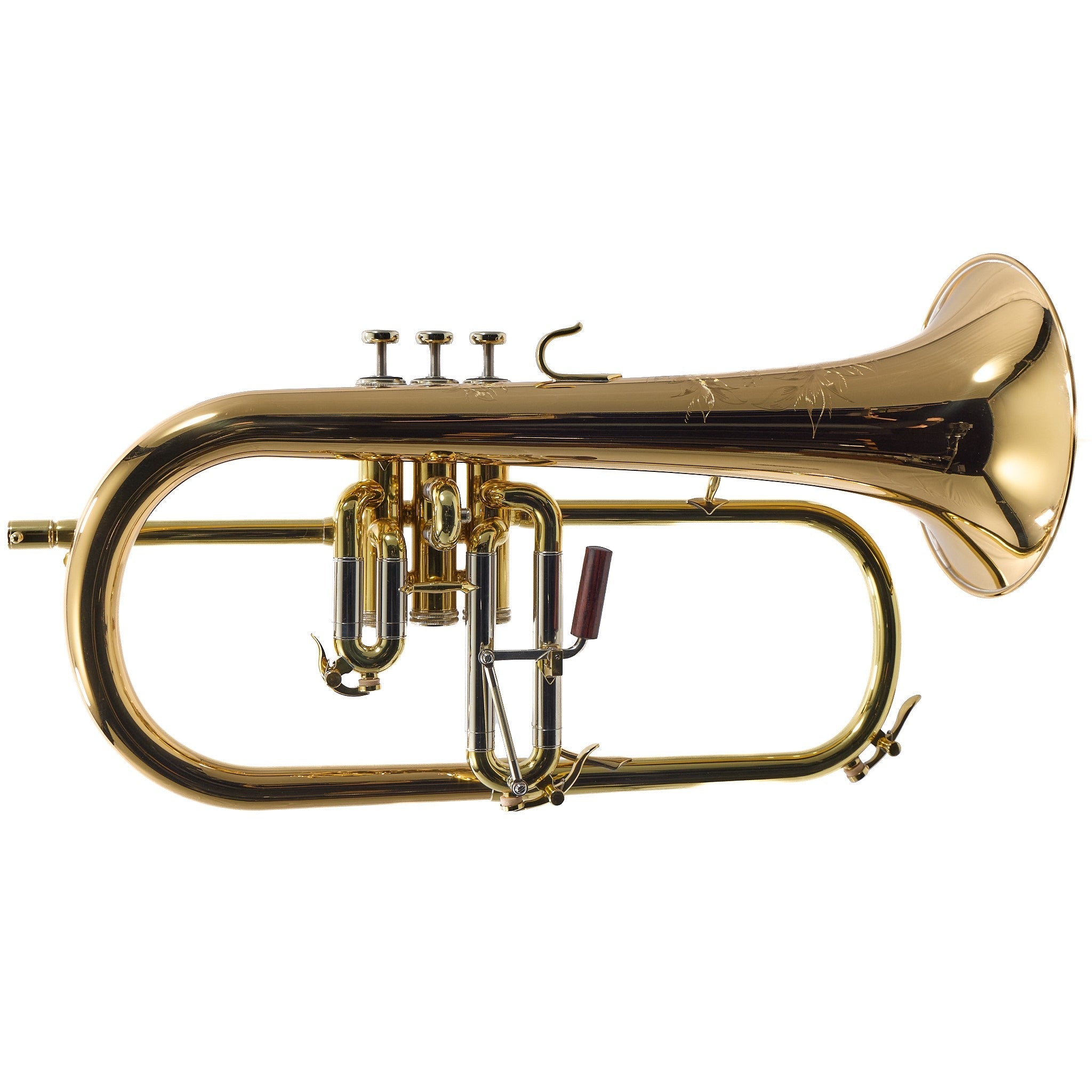
Yamaha Model YCR-8335IIS 'Neo' Custom Cornet
Yamaha Model YCR-8335II 'Neo' Custom Cornet
Trumpets, Cornets & Flugelhorns at The Mighty Quinn Brass and Winds
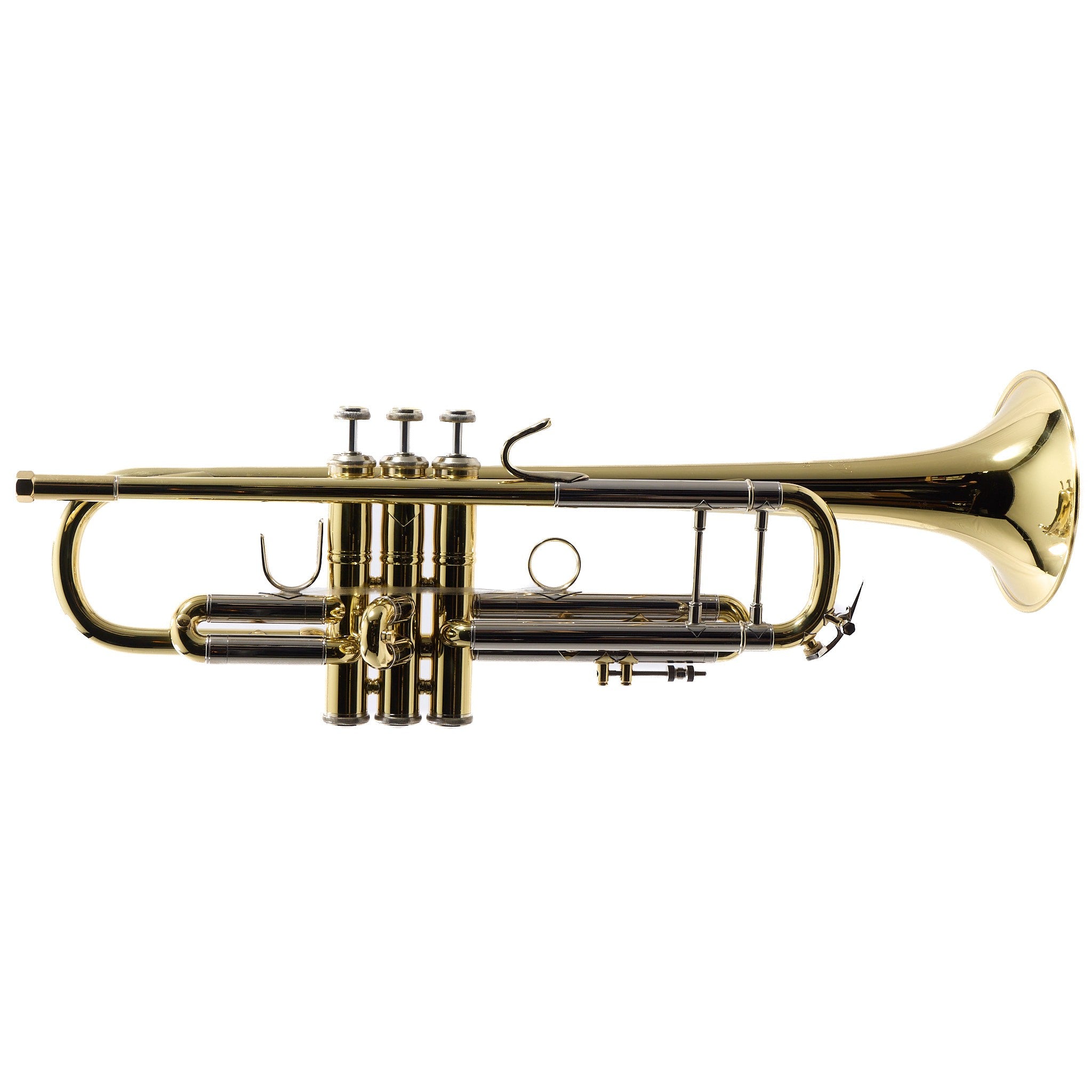
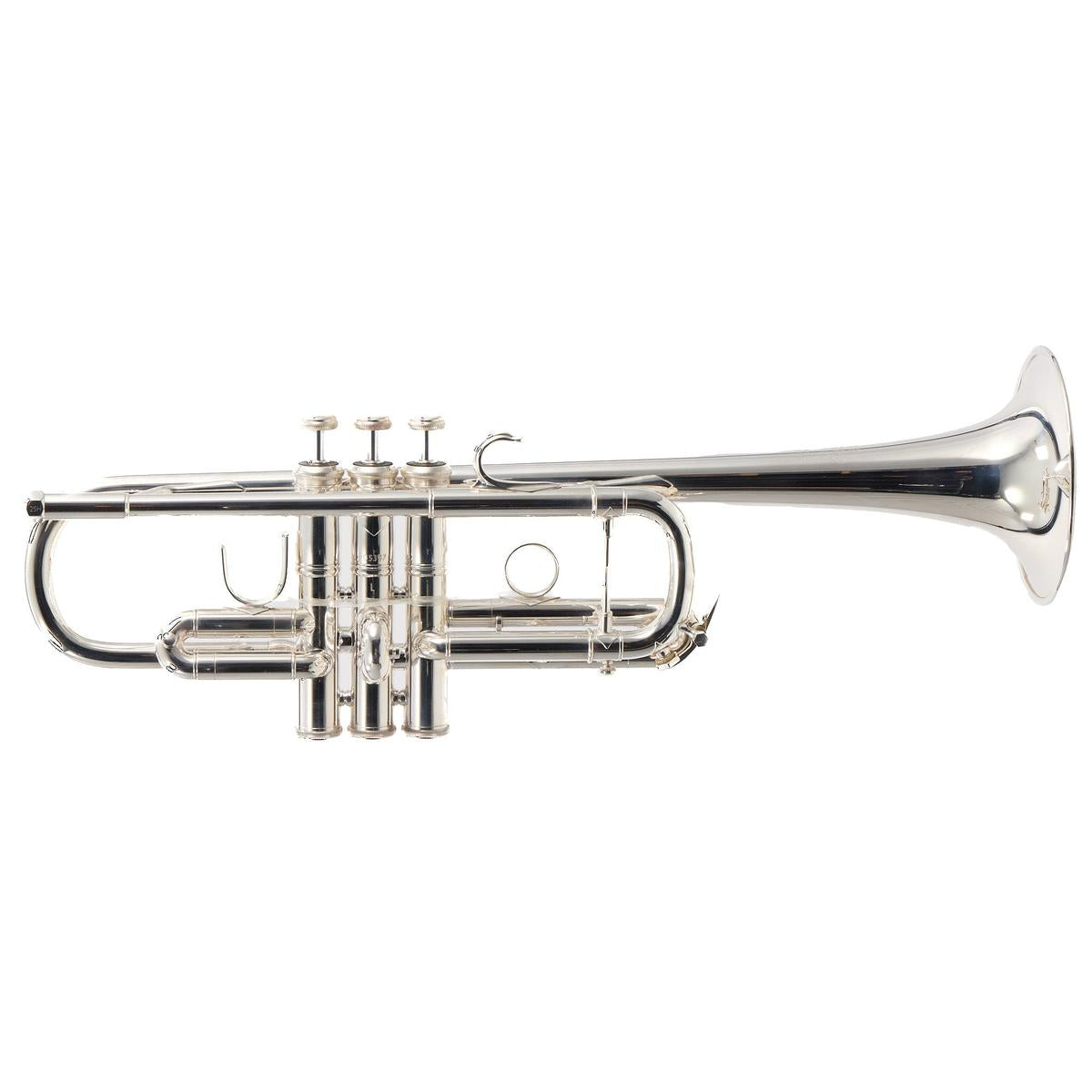
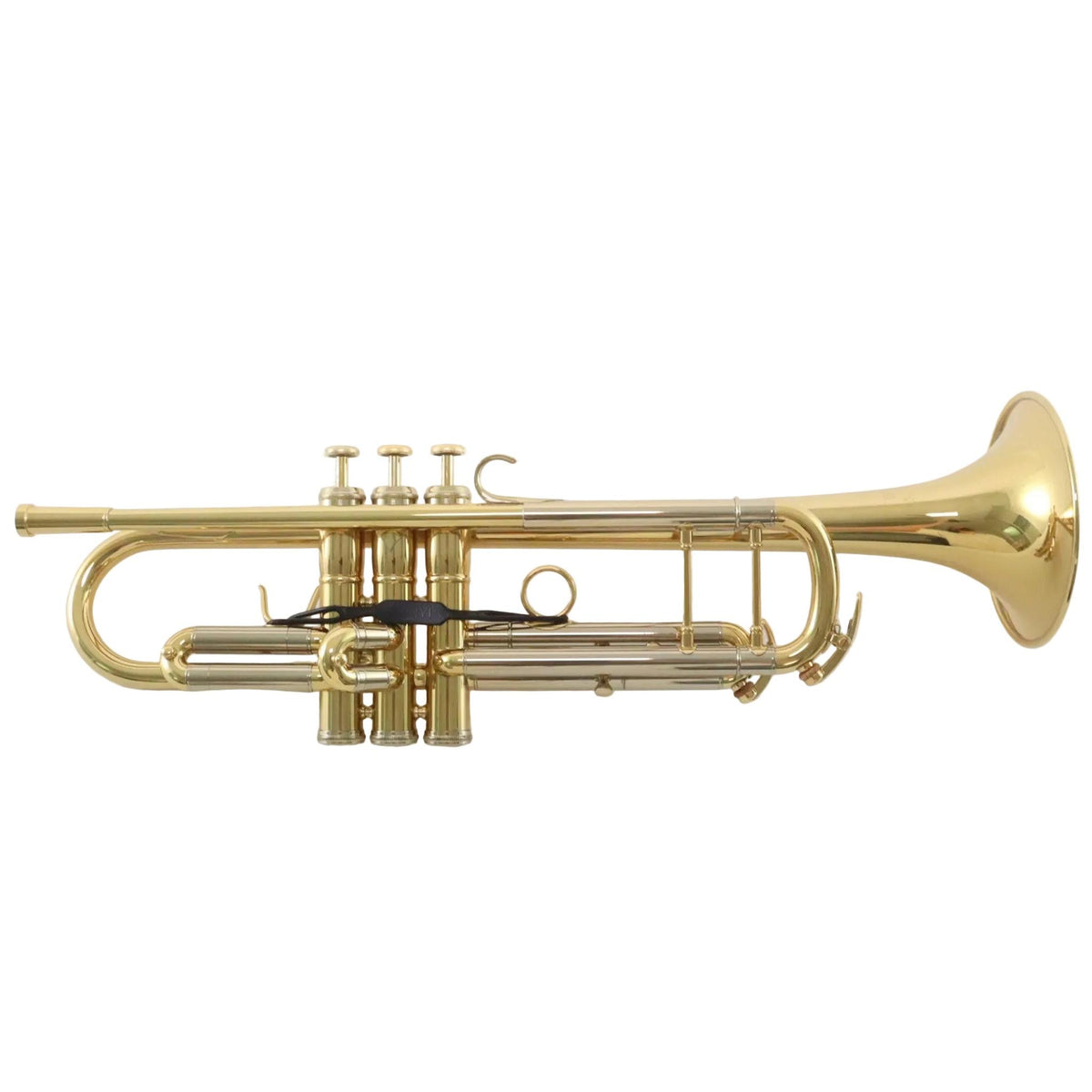
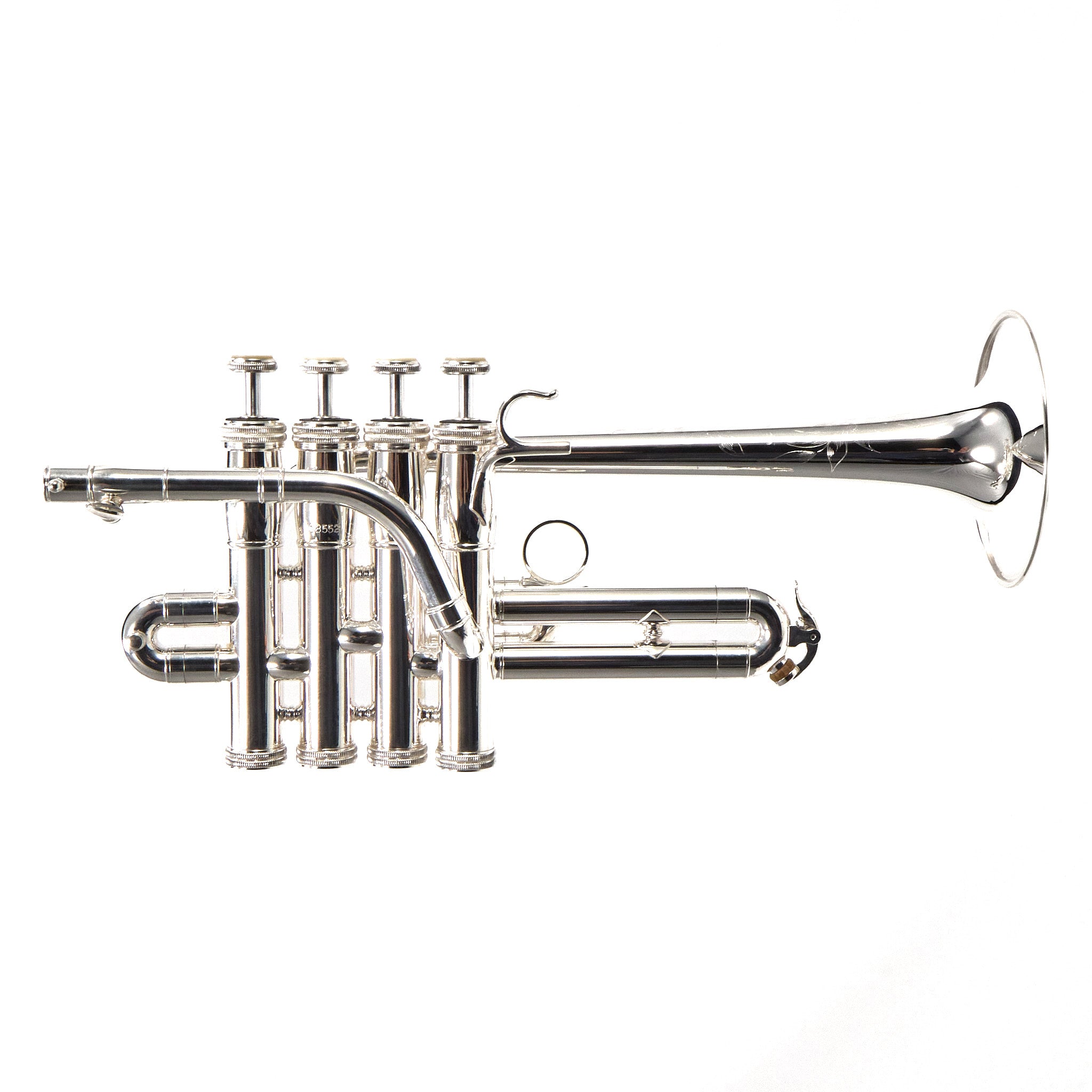
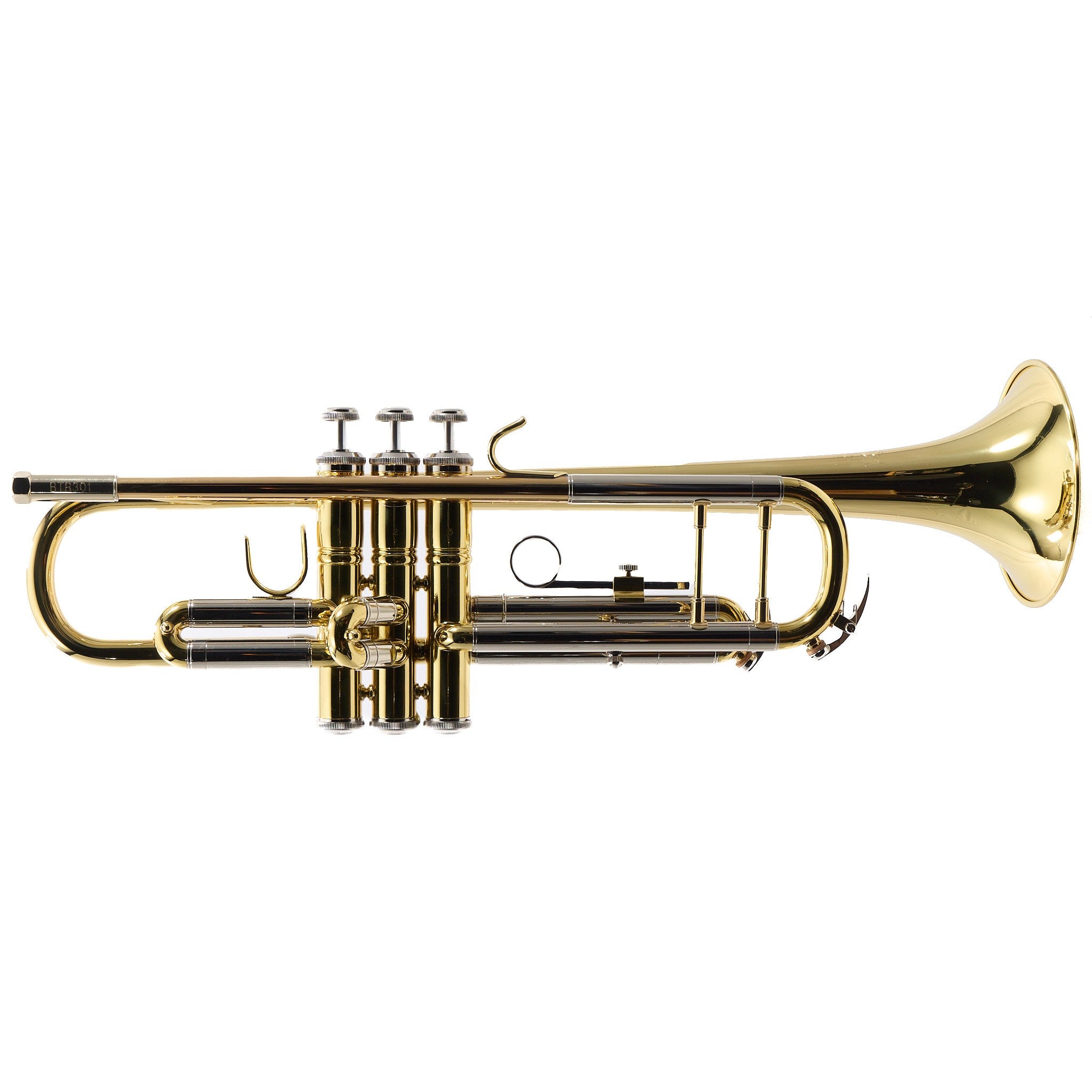
Shop premium trumpets, cornets, and flugelhorns online at The Mighty Quinn Brass and Winds, where serious brass players find instruments built for clarity, projection, and expressive control. Our collection includes student, intermediate, and professional models crafted from high-quality yellow brass, gold brass, and sterling silver, featuring precision valve action, responsive leadpipes, and balanced bell designs for superior intonation and tonal color. Whether you’re performing orchestral repertoire, jazz solos, brass band literature, or commercial gigs, we offer Bb, C, and specialty harmony trumpets alongside warm, lyrical flugelhorns and traditional cornets with rich, rounded tone. Every instrument is professionally inspected and play-tested to ensure reliable performance from the first note. Shop with confidence with The Mighty Quinn Brass and Winds for expert guidance, secure checkout, and fast shipping from trusted brass specialists.
Browse new, refurbished, used, & vintage brass from top brands like Bach, Adams, Jupiter XO, Shires, Yamaha & more - at great prices.
Find it. Play it. Love it. ♪♫
FAQs
What’s the difference between a trumpet, cornet, and flugelhorn?
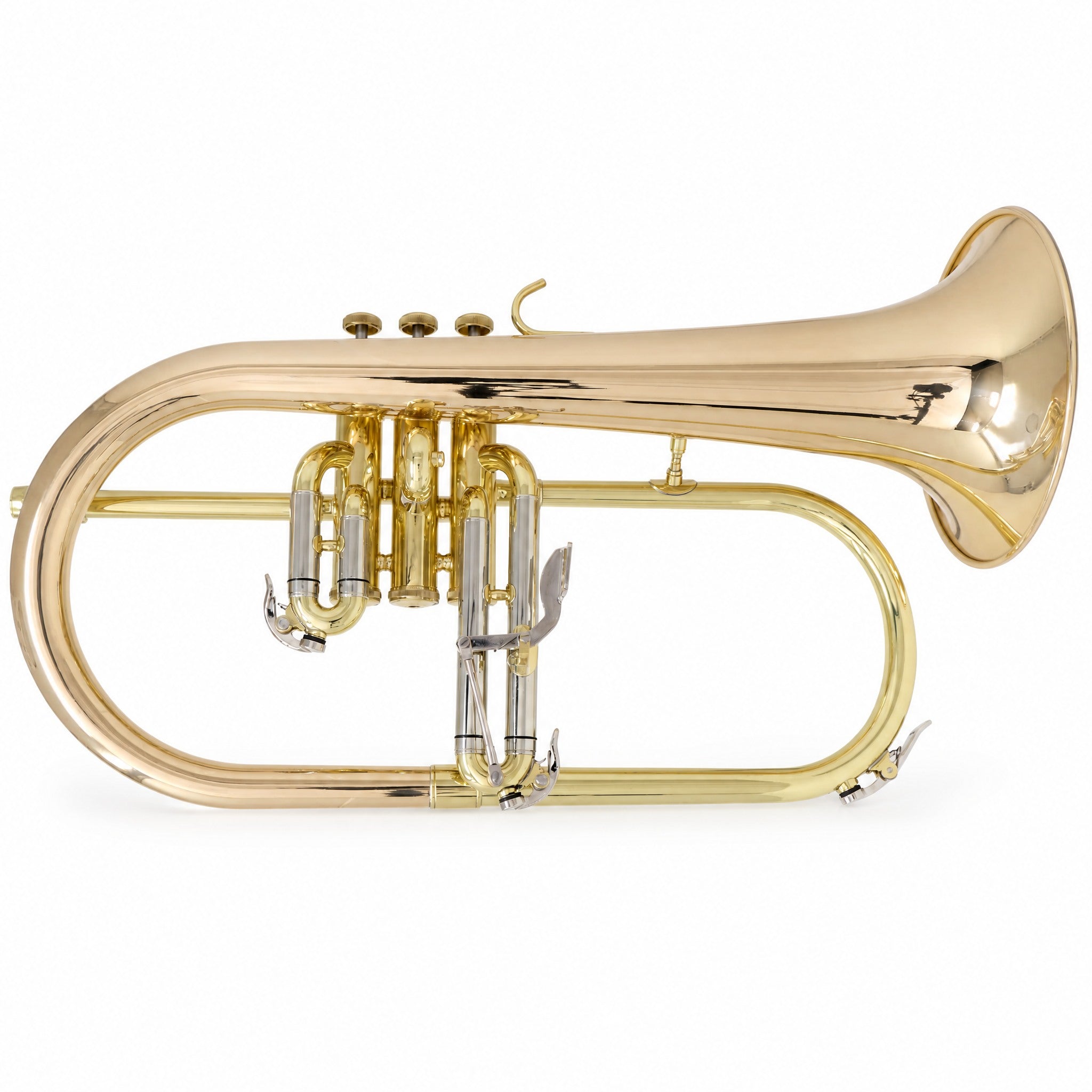
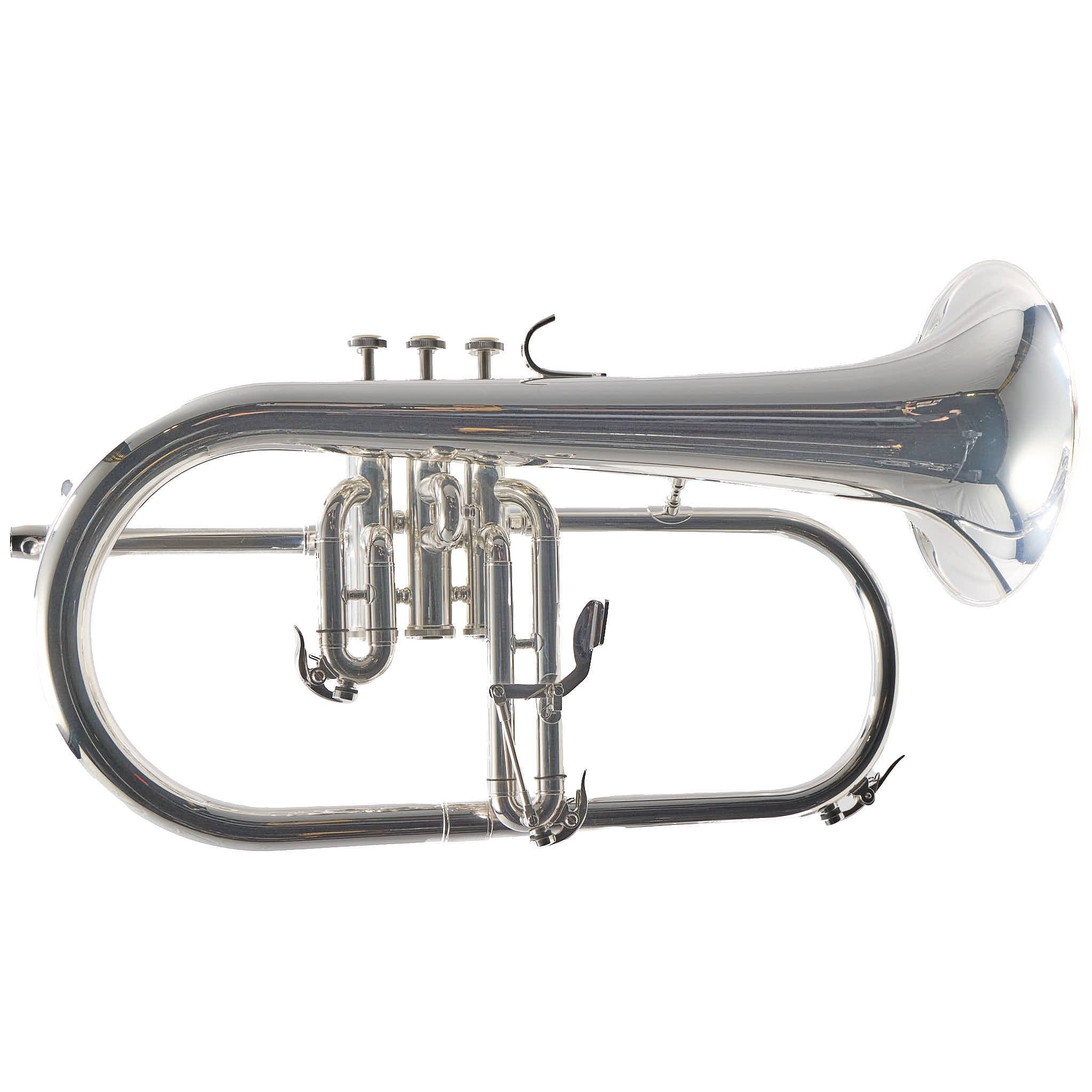
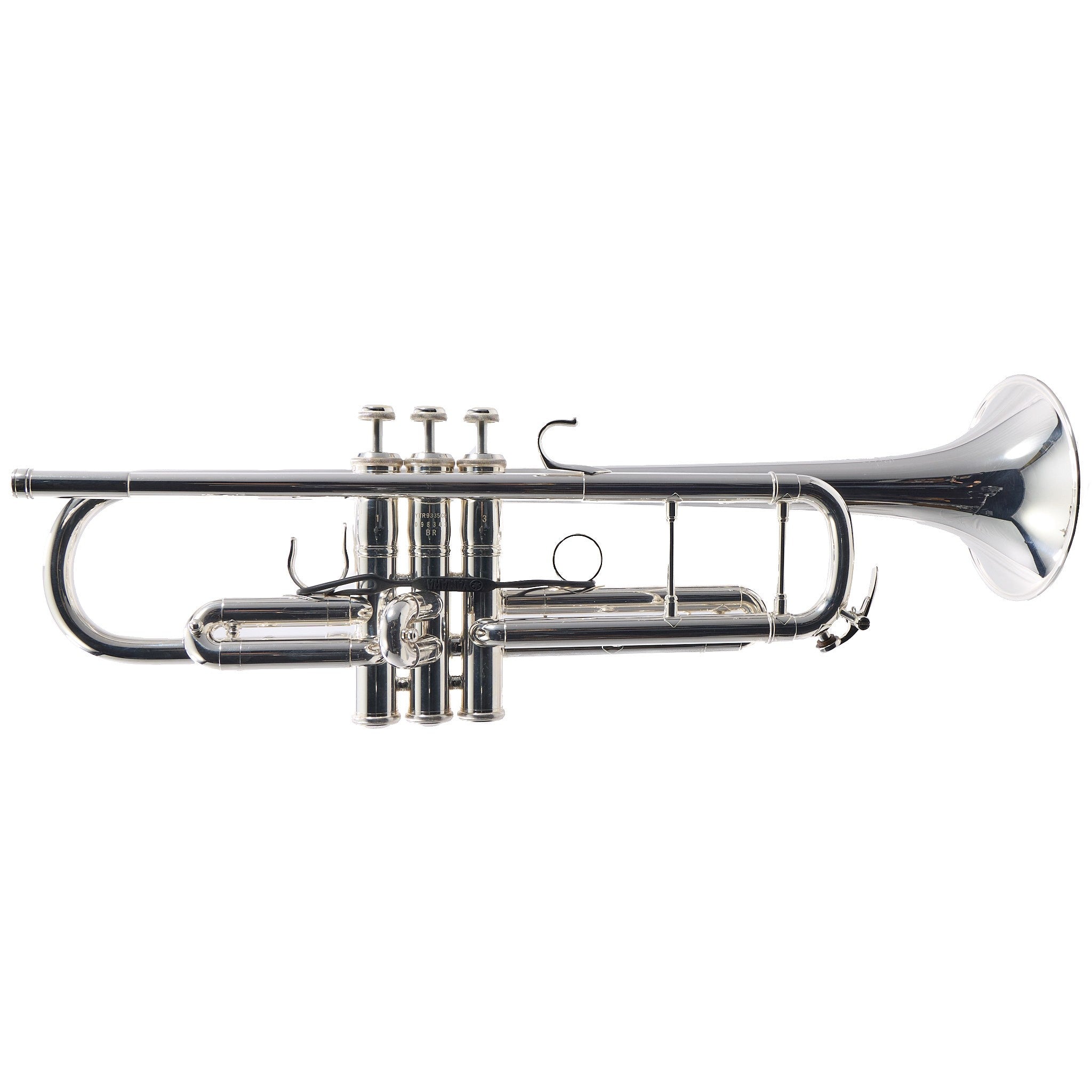
The trumpet has a more cylindrical bore and produces a bright, projecting tone commonly used in orchestral, jazz, and band settings. The cornet has a more conical bore and a slightly more compact wrap, resulting in a warmer, rounder sound often favored in brass bands. The flugelhorn features an even more conical bore and larger bell, creating a mellow, dark, lyrical tone ideal for ballads and solo passages.
Are trumpets, cornets & flugelhorns all pitched the same?
Most trumpets, cornets, and flugelhorns are pitched in B♭, though trumpets are also commonly found in C (especially in orchestras) as well as harmony configurations such as D or E♭. Flugelhorns and cornets are typically B♭ instruments.
What is the difference between student and professional models?
Student models prioritize durability and easy response. Professional instruments feature refined bore designs, hand-lapped valves, upgraded bracing, more precise machining, and enhanced tonal complexity for advanced performance demands.
Do different finishes affect sound?
Instruments are commonly finished in lacquer, silver plate, gold plate or left unlacquered. While finish can subtly influence response and feel, the overall design, bore, and player have a greater impact on tone.
How does trumpet bore size affect the way it plays?
Trumpet bore size refers to the internal diameter of the tubing, usually measured at the second valve slide, and it influences how the instrument feels and responds. Smaller bores tend to offer more resistance, which can help with efficiency, endurance, and a focused, compact sound. Larger bores generally feel more open, allowing for greater air flow and a broader, more expansive tone. Medium-large bore trumpets are the most common because they balance projection, flexibility, and control, making them versatile for orchestral, jazz, and commercial playing.
How does bell material affect sound?
Trumpet bell material plays a meaningful role in shaping tonal color and response. Yellow brass (typically about 70% copper) produces a bright, lively sound with strong projection, making it popular for lead and commercial playing. Gold brass, with a higher copper content, tends to sound warmer and broader with slightly softer edges, which many orchestral players prefer. Rose brass can further deepen warmth and reduce brilliance, while sterling silver bells often offer quick response and added clarity. While bore design and the player ultimately have the greatest influence on sound, bell material subtly colors the instrument’s projection, warmth, and overall character.
What kind of trumpet is best for beginners?
Most players start on a B♭ trumpet because it’s the standard for school band, jazz, and most ensemble music, with the widest range of method books and repertoire written for it. If you plan to play primarily in orchestra, a C trumpet is often preferred for its slightly brighter, more direct sound and easier reading in concert pitch. Specialty trumpets in E♭, D, or piccolo are typically added later for advanced classical repertoire. For most musicians, beginning on B♭ provides the greatest versatility and long-term value, with other keys added as your musical needs expand.