We have talked about Measuring Music Tempos ~ How Fast is Fast? Today we are going to discuss Swing tempo, which has a no published standards. First we must define Swing.
“In jazz and related musical styles, the term swing is used to describe the sense of propulsive rhythmic “feel” or “groove” created by the musical interaction between the performers, especially when the music creates a “visceral response” such as feet-tapping or head-nodding (see pulse). The term “swing” is also used to refer to several other related jazz concepts including the swung note (a “lilting” rhythm of unequal notes) and the genre of swing, a jazz style which originated in the 1930s.
As Swing Jazz was dance music and coevolved together with Swing dances such as Lindy Hop the term Swing can be understood as music that makes you want to dance. Even though there is overlap between these concepts, music from any era of jazz or even from non-jazz music can be said to have “swing” (in the sense of having a strong rhythmic groove or feel).
While some jazz musicians have called the concept of “swing” a subjective and elusive notion, they acknowledge that the concept is well-understood by experienced jazz musicians at a practical, intuitive level. Jazz players refer to “swing” as the sense that a jam session or live performance is really “cooking” or “in the pocket.”
If a jazz musician states that an ensemble performance is “really swinging”, this suggests that the performers are playing with a special degree of rhythmic coherence and “feel”. Although referring to a “sense of swing” is often done in the context of ensemble performances (e.g. a jazz combo or band), even an unaccompanied soloist can be said to be performing with “swing”. ~ Wikipedia
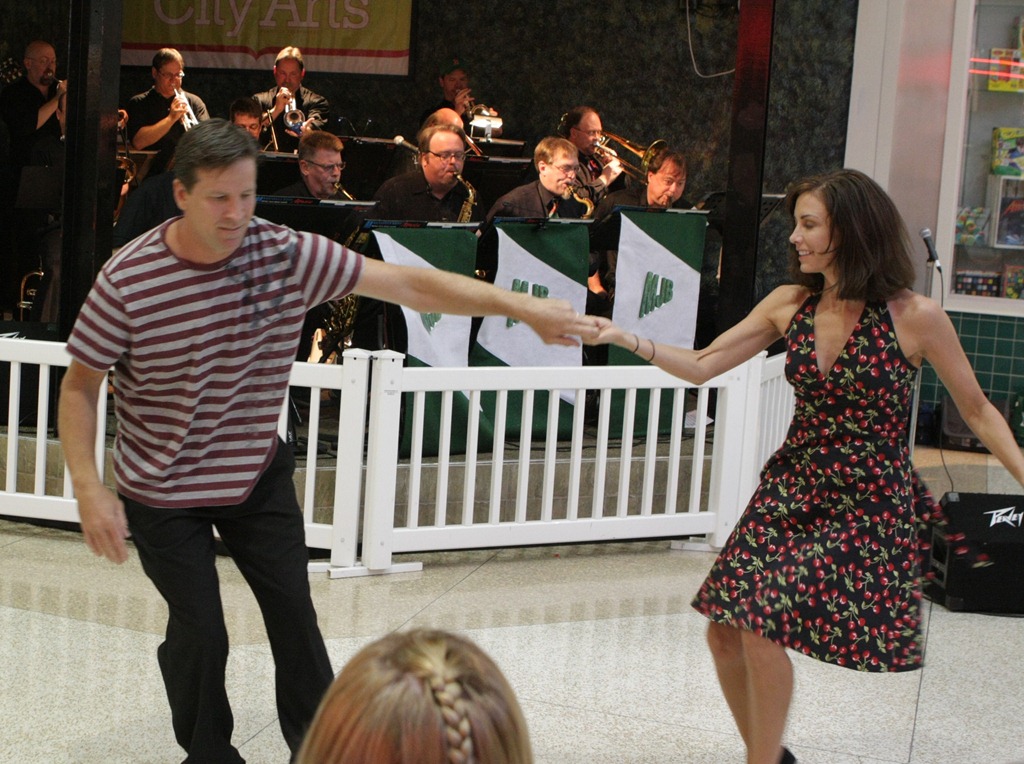
We have heard a number of suggestions for determining, but we like this attempt the best.
- Fast Swing: 264 – 336, and up
- Up Swing: 208 – 252
- Medium Up Swing: 160 – 200
- Medium Swing: 120 – 152
- Moderate Swing: 104– 116
- Slow Swing (walking ballad): 84– 100
- Medium or just Ballad: 63– 80
- Slow Ballad: 70 and slower
As you might have noticed, there is a lot of variance on the edges. This scale reflects our experience and does provide for some fuzziness on the edges. We would be interested in hearing the thoughts of some professionals.
Share:
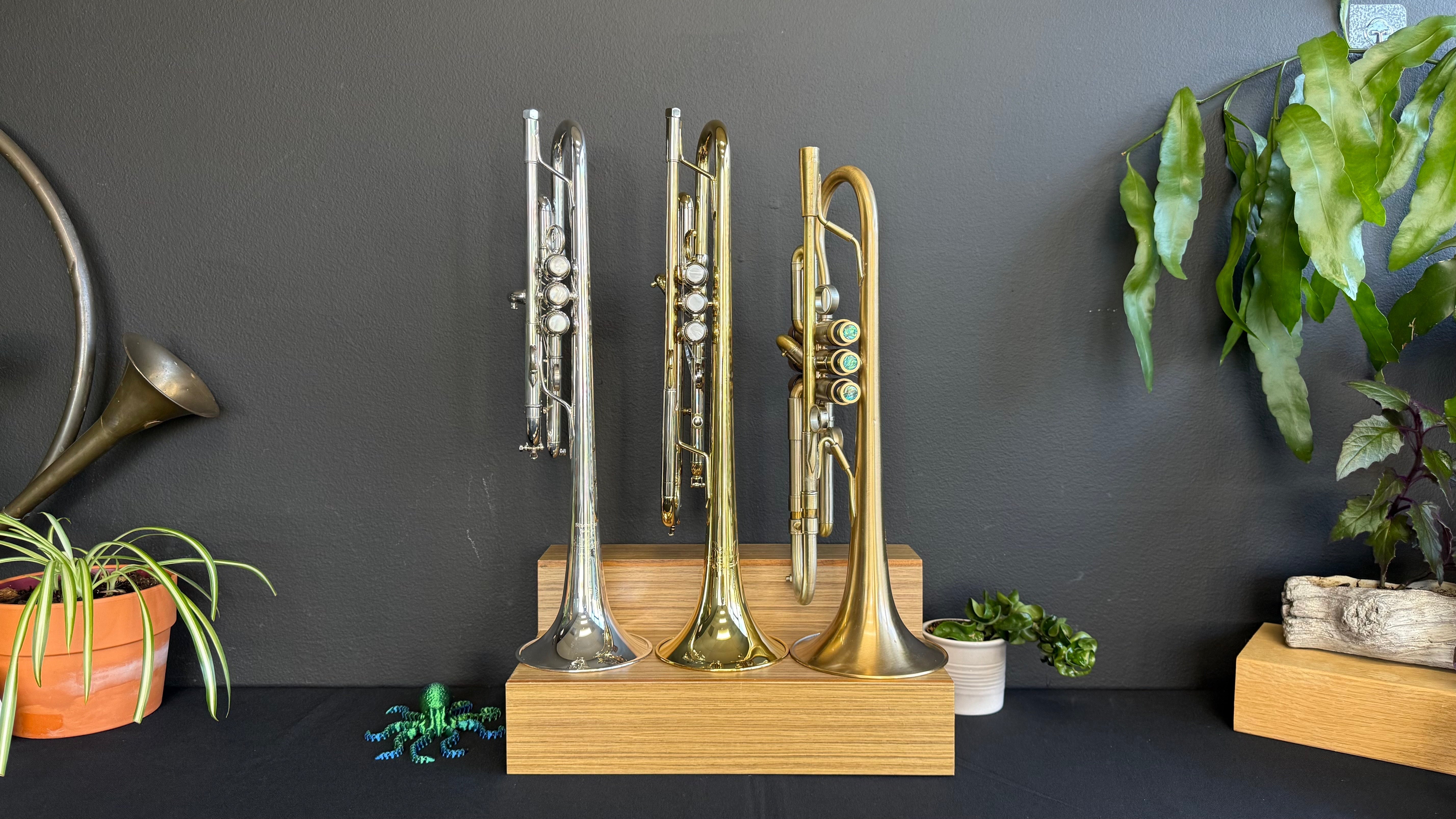
The Three Sopranos
Musician 101: Developing an Internal Pulse