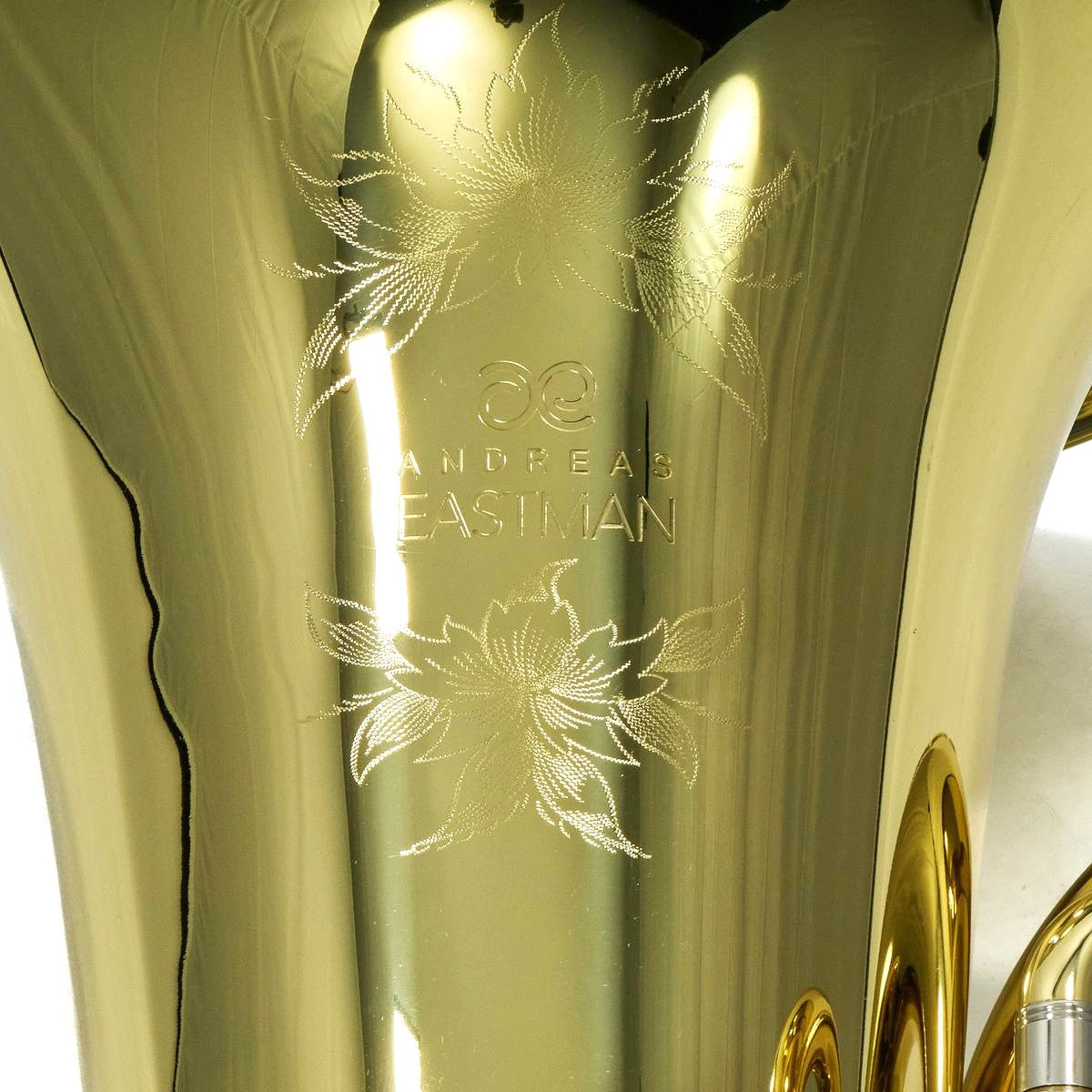
There are instruments that simply do a job, and there are instruments that help a player imagine a larger one. The Eastman CC tuba line belongs in the second category. We are pleased to announce the arrival of several standout models in the shop: the Eastman EBC632, EBC832, EBC834, and EBC836.
For serious students, advancing performers, working professionals, and dedicated ensemble players, these instruments are worth attention for a simple reason: they offer a thoughtful range of sizes, response profiles, and tonal personalities within a modern CC tuba lineup. Each model has its own purpose, and together they make it easier for players to find an instrument that fits not only their body and technique, but also the kind of music-making they actually do.
Why Eastman CC Tubas Are Worth a Look
A good CC tuba must do several things at once. It must provide a stable foundation, respond cleanly under pressure, and retain enough flexibility for phrasing, color, and articulation. That is true in orchestra, wind ensemble, brass quintet, studio work, and lesson rooms alike. Eastman’s CC tubas have earned interest because they approach those demands with practical design and musical focus rather than unnecessary complication.
What makes this lineup especially interesting is its breadth. Rather than offering one generalized solution, Eastman gives players several distinct options. Some models favor agility and clarity. Others emphasize breadth, depth, and orchestral scale. For players comparing horns in the same family, that is useful. It allows the decision to be about musical needs, not merely brand loyalty or habit.
The Models
Eastman EBC632

The EBC632 is an appealing choice for players who want a CC tuba that feels manageable, focused, and versatile. It is the sort of instrument that can make a strong impression on advanced students, doubling players moving more seriously into tuba performance, and ensemble musicians who need a horn that speaks clearly without requiring constant negotiation.
Its chief attraction is balance. Players often look for an instrument that offers enough core to support a large ensemble while still remaining nimble in technical passages and transparent in chamber settings. The EBC632 sits comfortably in that space. It is likely to appeal to musicians who want dependable response, centered pitch, and a sound that can be shaped without excessive effort.
In practical terms, that means a player could bring the EBC632 to a university wind ensemble rehearsal in the afternoon, then use it for brass quintet reading in the evening without feeling badly mismatched to either task. For the musician who values flexibility and ease of use, that matters.
Eastman EBC832

The EBC832 moves further into the territory many players associate with a full, commanding CC tuba sound. This is a model for those who want more breadth and presence while preserving clarity and control. It is especially interesting for players preparing orchestral excerpts, performing in large ensembles, or seeking a horn that can project authority without becoming cumbersome.
What distinguishes the EBC832 is its sense of scale. There is a difference between a tuba that is merely loud and one that fills a room with structure and depth. The better orchestral-style instruments do the latter. They give the player enough sonic width to support a section or ensemble while still allowing line, shape, and articulation to remain intelligible. That is where the EBC832 is likely to attract attention.
Imagine a player working through Ride, Fountains, or the larger standard excerpt literature. The EBC832 offers the kind of platform that encourages a broad concept of sound. At the same time, in a large concert band or community orchestra, it can give the player confidence that the bottom of the ensemble will feel secure rather than merely occupied.
Eastman EBC834

The EBC834 stands out as a serious option for players who want a large CC tuba with a refined, developed voice. This is the kind of instrument that tends to interest advanced conservatory students, orchestral aspirants, and established performers looking for a horn with substantial tonal presence and a more expansive character.
What makes the EBC834 noteworthy is not just size, but the way size is put to use. A larger instrument only becomes musically valuable when it remains responsive and organized. The attraction here is the possibility of a broad, dark, richly textured sound that still retains definition at the front of the note and stability through the phrase.
For players who often perform in large halls or with heavy ensemble forces, that can be a meaningful advantage. In rehearsal, it may feel like a horn that lets the player settle into the center of the sound rather than chase it. In performance, it can help sustain long lines and support climactic moments with less strain and more authority.
A graduate student preparing an orchestral audition, for example, may appreciate how an instrument like the EBC834 supports both excerpt work and full-length repertoire practice. The horn becomes not just a vehicle for volume, but a tool for consistency, color, and endurance.
Eastman EBC836

The EBC836 is likely to draw the eye of players who want the grander side of the CC tuba experience: a broad, enveloping sound, a substantial physical presence, and the ability to anchor large musical textures with confidence. This is a model for musicians who need scale and depth, whether in orchestral settings, major wind ensemble literature, or other contexts where the tuba must provide more than a discreet foundation.
What sets the EBC836 apart is its sense of weight and reach. Some players are searching for a horn that feels almost architectural in the way it supports an ensemble. Not every musician needs that, and not every performance situation rewards it. But when the repertoire is large, the room is generous, and the ensemble asks for a true underpinning rather than a polite suggestion of one, an instrument like the EBC836 becomes especially compelling.
In real use, that could mean a principal tubist preparing a major symphonic program, or a strong community player performing repertoire that demands a broad, organ-like foundation. It could also be the right fit for the experienced player who simply knows that a larger CC tuba suits their concept of sound and their musical responsibilities.
What Makes These Different from Similar Tubas?
One of the most useful things about this group of Eastman tubas is that the differences between them are musically meaningful. Too often, instruments in the same category can feel separated mainly by specification sheets. Here, the distinctions are more practical. The lineup gives players a range from more compact and versatile to more expansive and orchestral in character.
That matters because tubists do not all solve the same problem. A college player balancing solo literature, quintet, and band may need a different horn from a professional focused on large ensemble work. A player with a compact setup and quick articulation style may prefer one response profile; another who builds sound from breadth and weight may prefer another. Eastman’s CC offerings make room for those differences.
In that sense, these instruments are not simply variations on a theme. They are options for distinct musical identities.
Who Should Try Them?
- Advanced students looking for a serious CC tuba to support lessons, juries, auditions, and ensemble playing.
- University performers who need an instrument suited to both technical development and demanding repertoire.
- Orchestral and wind ensemble players seeking a horn with the scale and color appropriate to larger literature.
- Chamber musicians and freelancers who want a model with flexibility, clarity, and dependable response.
- Experienced community musicians ready to move into a more refined and capable instrument.
The right choice among these models will depend on the player’s sound concept, physical comfort, ensemble needs, and long-term goals. That is precisely why trying them side by side can be so revealing.
How Musicians Might Use Them
A performance major might choose the EBC632 for its versatility, using it for studio class, brass quintet coaching, and wind ensemble concerts throughout the week.
A player preparing for regional orchestra auditions might gravitate toward the EBC832, appreciating the larger sound profile and the confidence it brings to excerpt preparation.
A conservatory student or serious symphonic player may find the EBC834 especially rewarding in repertoire that asks for sustained breadth, tonal depth, and a mature orchestral character.
And for the player whose work regularly involves large ensembles, substantial halls, or a particularly expansive sound concept, the EBC836 may offer the scale and authority they have been looking for.
These are not abstract distinctions. They affect how a player breathes, shapes a phrase, projects a line, and supports colleagues. A well-matched tuba can make practice more productive, rehearsal more comfortable, and performance more convincing.
Now Available to Explore
The arrival of the Eastman EBC632, EBC832, EBC834, and EBC836 gives players an excellent opportunity to compare several serious CC tubas in one place. Whether you are searching for an all-around instrument, a dedicated large-ensemble horn, or simply a better match for your sound concept, this lineup is worth your time.
If you have been curious about where modern CC tubas are heading, these instruments offer a persuasive answer: thoughtful design, distinct musical personalities, and options that respect the real demands of players’ lives.
We invite you to come try them and see which one feels less like an object in the room and more like the beginning of a musical plan.
Browse our full collection of Eastman Tubas here.
Share:
Adolphe Sax, the Ophicleide, and a Remarkable Survivor: AS189 in G
Shires Q38 and Q39 Contrabass Trombones: European vs. American Tuning