
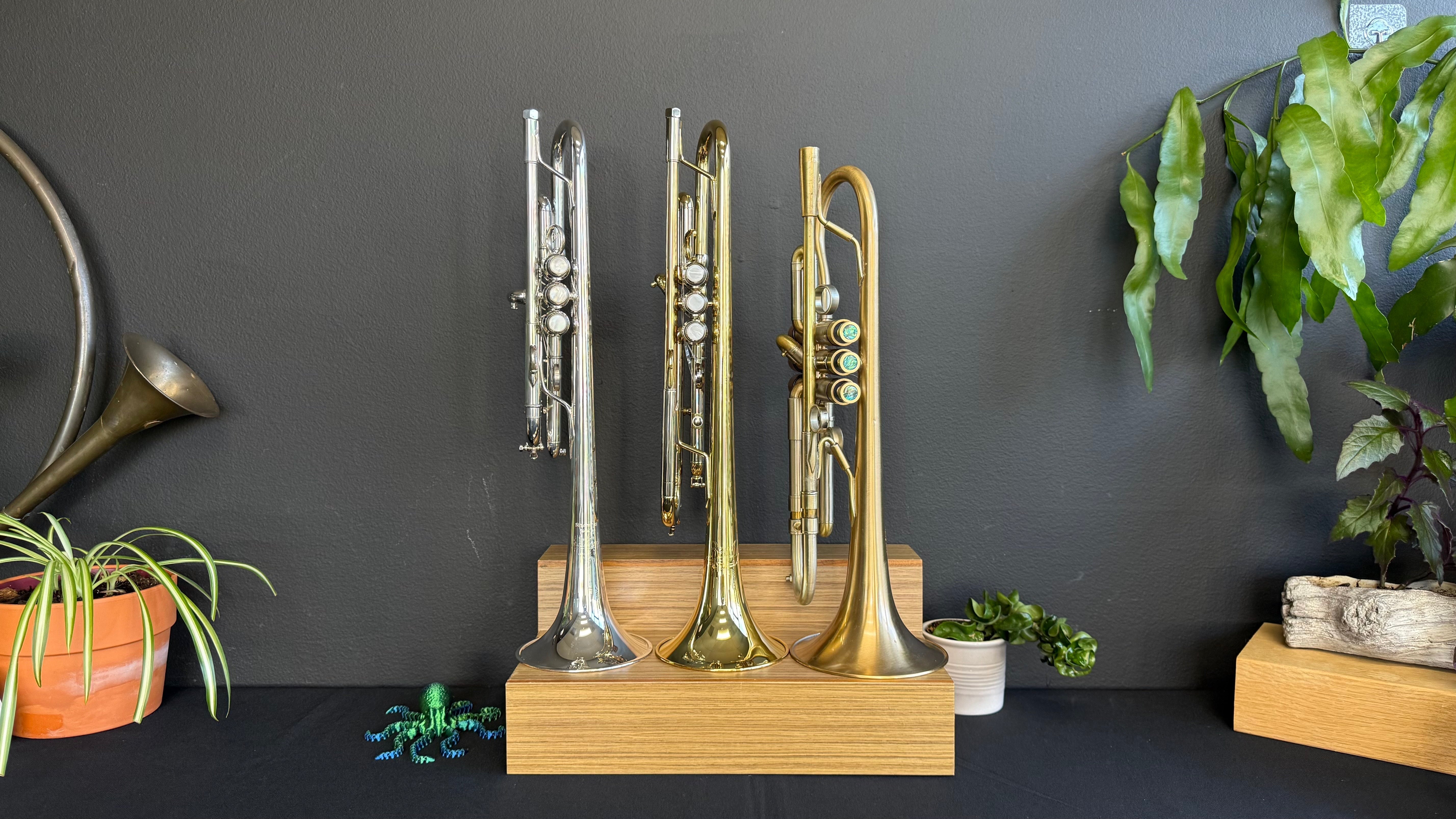

Selecting a brass or woodwind instrument is a pivotal moment in any musician’s journey. Whether you are a young beginner, an advancing student, or a seasoned performer, the landscape can feel bewildering. Understanding the distinctions between "student," "step-up," and "professional" models is not merely an academic exercise—it shapes the quality of your growth and the wisdom of your investment.
At The Mighty Quinn Brass And Winds, we believe choosing an instrument is both deeply personal and educational. These categories are more than marketing labels; they represent a century of evolution in design, manufacture, and performance expectations.
Instrument Tier Overview
-
Student: Designed for beginners and school programs, focusing on affordability and durability.
-
Step-Up (Intermediate): Created for advancing students, prioritizing improved sound and playability.
-
Professional: Built for collegiate and professional musicians, emphasizing tonal nuance and expert craftsmanship.
This guide aims to demystify the differences among these instrument tiers, using specific examples from our inventory to illustrate each concept. We will layer historical context, technical specificity, and practical advice, empowering you to make a confident, informed decision—whether you are selecting your first instrument or preparing to invest in a lifelong companion.
In the sections that follow, we will explore the historical evolution of these categories, dissect their core distinguishing features, and provide detailed, instrument-by-instrument comparisons. Our goal is to guide you toward the right choice, tailored to your needs and aspirations.
The Historical Evolution of Instrument Tiers
The modern landscape of brass and woodwind instruments—organized into student, step-up (intermediate), and professional categories—emerged from a distinct set of historical, educational, and technological currents in the 20th century. Prior to the proliferation of school band programs in the United States, the concept of a “student model” was virtually unknown: aspiring players typically began on the same instruments as their professional counterparts, often with limited access and high cost as barriers.
The post-World War I boom in public school music education created mass demand for affordable, durable, and standardized instruments. American manufacturers such as C.G. Conn and Buescher responded by developing robust entry-level models, often employing cost-saving materials and streamlined manufacturing processes. Japanese makers, most notably Yamaha, entered the market mid-century with innovations in precision machining and quality control, raising the baseline for student and intermediate instruments. European firms like Selmer Paris and Buffet Crampon retained reputations for artisanal craftsmanship, influencing the aspirational qualities of the “professional” tier.
-
Pre-1920s: No formal tiers; all instruments built to professional standards from Conn, Selmer, and Buffet.
-
1920s–1950s: Rise of student/intermediate models for schools; mass production techniques introduced by American makers like Conn, Beuscher, Olds, and King.
-
1960s–1980s: Japanese makers like Yamaha and Yanagisawa innovated with precision machining, solidifying tier distinctions.
-
1990s–Present: Globalization and advanced materials have created clear demarcations among student, step-up, and professional lines.
Today, instrument tiers reflect not only differences in price but in manufacturing philosophy, material sourcing, and intended use. The influence of heritage brands remains profound, with leading makers—represented in The Mighty Quinn’s inventory—offering distinct lines tailored to the evolving needs of students, advancing amateurs, and professionals alike. This evolution underscores the importance of informed selection, ensuring each player finds an instrument aligned with their technical demands and artistic ambitions.
Core Differentiators: What Distinguishes Student, Step-Up, and Professional Instruments?
The taxonomy of wind instruments—student, step-up (intermediate), and professional—emerged in response to the evolving needs of players and educators. These categories encapsulate a spectrum of quality, playability, and investment, with each tier defined by distinct technical and material attributes. Understanding these differences is critical for making a judicious selection, as each factor influences not only the instrument’s performance but also its longevity and value.
Student Instruments
-
Materials: Nickel-plated brass or ABS resin.
-
Craftsmanship: Machine-assembled for robustness.
-
Performance: Easy response and stable intonation.
Step-Up (Intermediate) Instruments
-
Materials: Higher-grade brass or grenadilla wood.
-
Craftsmanship: Partial hand-assembly and improved key precision.
-
Performance: Broader dynamic range and projection.
Professional Instruments
-
Materials: Premium alloys and hand-selected woods.
-
Craftsmanship: Hand-lapped valves and custom keywork.
-
Performance: Maximum tonal complexity and expressivity.
Key Takeaways
-
Student models emphasize durability and ease of use, often at the expense of tonal richness or advanced features.
-
Step-up instruments provide tangible improvements in sound and playability, bridging the gap between affordability and artistic growth.
-
Professional instruments represent the zenith of craftsmanship and musical potential, tailored for discerning players who seek individualized performance.
The distinctions among these tiers are not merely cosmetic—each reflects a philosophical approach to design, intended user, and the lifelong journey of musical development. The Mighty Quinn Brass And Winds’ curated selection underscores these differences, ensuring that every musician, regardless of stage, can find an instrument aligned with their aspirations and needs.
Instrument-by-Instrument Deep Dive
Trumpet
-
Student (Bach BTR-301): Durable, monel pistons, lightweight.
-
Step-Up (Bach TR200): Nickel-silver slides, warmer tone.
-
Professional (Stradivarius 180S37): Hand-hammered bell, nuanced response.
Trombone
-
Student (Conn 23H): Sturdy, smaller bore for ease of play.
-
Step-Up (Yamaha YSL-448G): Gold brass bell, F-attachment options.
-
Professional (Bach 42BO): Open-wrap F-attachment, superior resonance.
Saxophone
-
Student (Yamaha YAS-26): Simplified keywork, reliable intonation.
-
Step-Up (Yamaha YAS-480): Annealed neck, improved resonance.
-
Professional (Selmer Paris Series II): Ribbed construction, hand-adjusted toneholes.
Clarinet
-
Student (Buffet B12): ABS resin, resists cracking.
-
Step-Up (Buffet E11): Grenadilla wood, refined intonation.
-
Professional (Buffet R13): Complex bore, hand-selected wood.
Flute
-
Student (Selmer SFL511): Nickel-silver, easy response.
-
Step-Up (Yamaha YFL-462): Sterling silver headjoint.
-
Professional (Altus Handmade): Custom headjoint cuts, precision padding.
Investment and Growth
-
Student: $400–$2,200 price range, 1–3 year upgrade cycle, low to moderate resale value.
-
Step-Up: $1,500–$3,000 price range, 3–6 year upgrade cycle, moderate resale value.
-
Professional: $3,000+ price range, potential lifelong upgrade cycle, high resale value.
The comparative landscape reveals not only incremental improvements in material and construction, but fundamental shifts in the instrument’s expressive potential, responsiveness, and suitability for varying artistic demands. These gradations, carefully curated by The Mighty Quinn Brass And Winds, allow for a tailored match between instrument and musician at every stage of their artistic journey.
Who Should Choose Which? Matching Instrument Tier to Player Profile
Selecting a brass or woodwind instrument is a significant decision, intricately tied to a player’s stage of development, aspirations, and practical needs. The distinctions between student, step-up (intermediate), and professional instruments are not merely marketing categories—they reflect genuine differences in design philosophy, materials, and intended use. Here, we match each tier to the most appropriate player profile, informed by decades of industry evolution and pedagogical experience.
Student Tier
-
Target Audience: Absolute beginners, elementary and middle school students, and those in school band programs.
-
Key Priorities: Affordability, durability (resistant to wear and accidents), and ease of play (lightweight with simple mechanisms).
-
Typical Lifespan: 1–3 years, or until foundational skills are mastered.
Step-Up (Intermediate) Tier
-
Target Audience: Advancing students (middle/high school, early college) and committed amateurs.
-
Key Priorities: Enhanced tone and response, improved mechanics and comfort, and an expanded expressive range.
-
Typical Lifespan: 3–7 years (often spanning through high school and into college).
Professional Tier
-
Target Audience: Serious high school, collegiate, and conservatory musicians; performance majors; educators; professionals; and dedicated adult amateurs.
-
Key Priorities: Ultimate tonal nuance and projection, responsive and customizable mechanisms, and premium materials with handcrafted details.
-
Typical Lifespan: 10+ years; often considered a lifelong investment.
Key Considerations for Each Tier
-
Student Instruments: Prioritize reliability and straightforward playability. Best for those just starting or still exploring musical interest.
-
Step-Up Instruments: Offer a bridge to more advanced technique and musicality; suitable for students committed to ensemble participation or private study.
-
Professional Instruments: Feature the highest level of craftsmanship, sonic flexibility, and long-term value—appropriate for those pursuing serious study, performance, or teaching.
Conclusion: Making a Confident Choice
Selecting an instrument is about discovery. To ensure you make the right choice, consider the following:
-
Assess your current skills and long-term musical goals.
-
Plan for future growth and consider potential trade-up programs.
-
Consult with your teachers, mentors, or music shop experts (like us!)
-
Ensure the instrument feels comfortable and inspiring to play.
We invite you to contact The Mighty Quinn Brass and Winds for personalized recommendations and hands-on trials to help you realize your full musical potential.
Book your appointment here.
Share:
Shires Q38 and Q39 Contrabass Trombones: European vs. American Tuning
How to Choose a Professional Saxophone: Yamaha vs. Yanagisawa vs. Selmer vs. Eastman