
Musical Notes
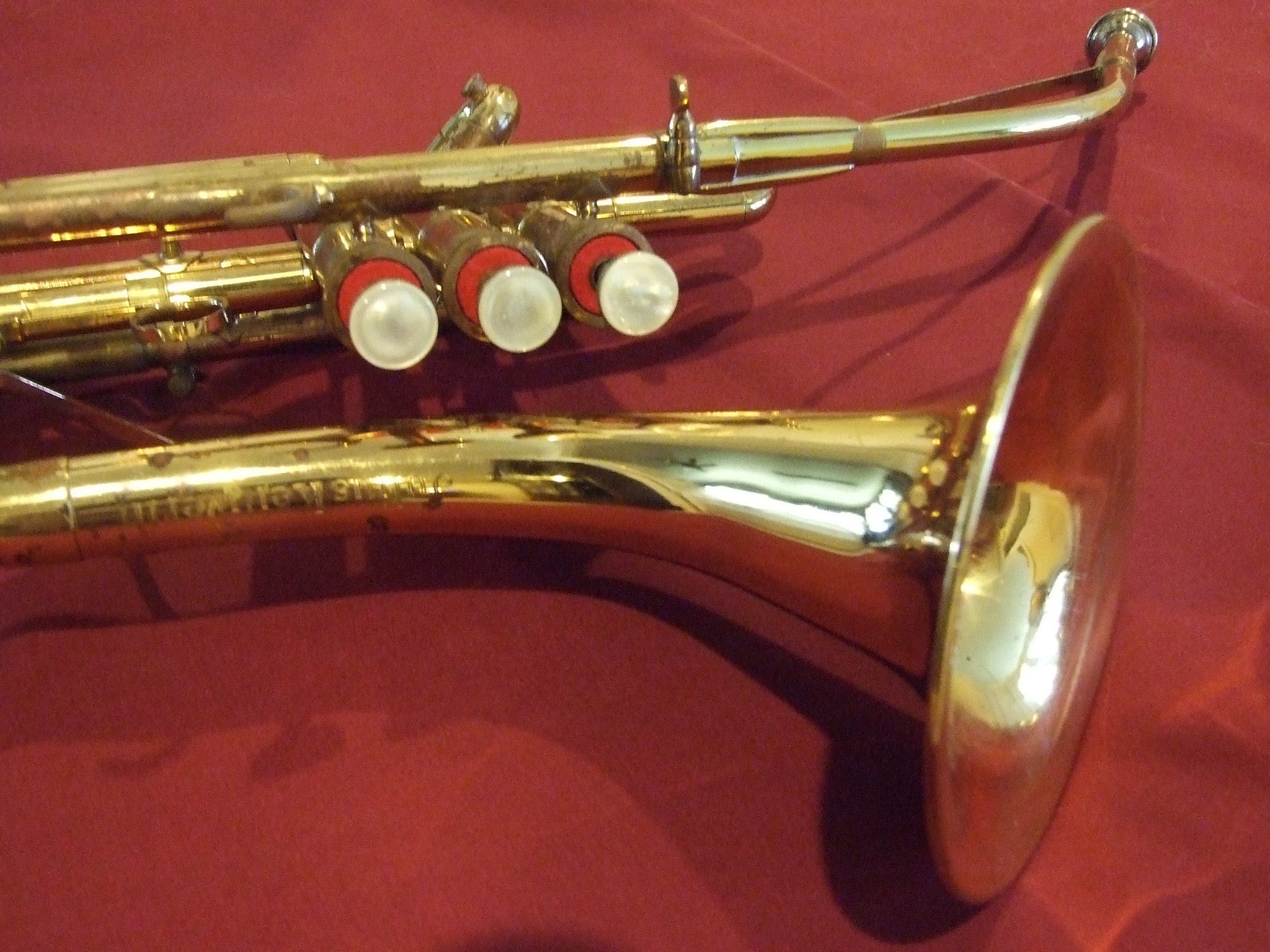
Keilwerth Toneking 3000 Jazzophone
This is an EXTREMELY RARE Keilwerth Toneking 3000 Jazzophone. The jazzophone is a bit of an odd duck-it’s a trumpet but is wrapped like a saxophone. Looks really funky and cool and sounds great, though you can’t use mutes with it. In over 10 years of dealing in vintage instruments I’ve never seen another one of these in person.
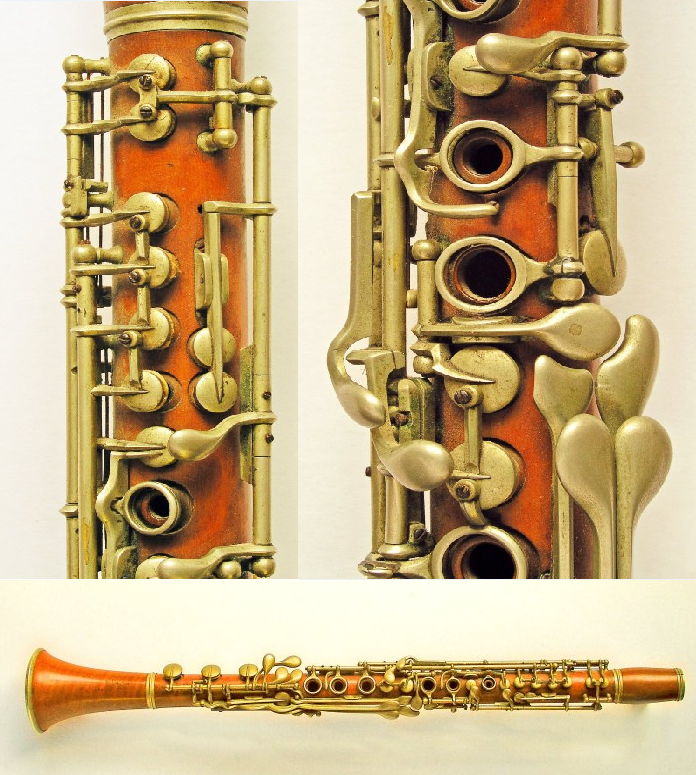
Meet the Romero System Saxophone and Clarinet
A few days ago, I came across a couple of saxophones that I had never seen or heard of before and they looked really, really interesting. I had heard of the Romero System before, but only on clarinets. Here's a little information on these instruments.
Favorite Media Picks for Musicians in 2016
Some interesting videos on YouTube and some hot blogs this year. We thought we would take the time to point to some of our favorites.
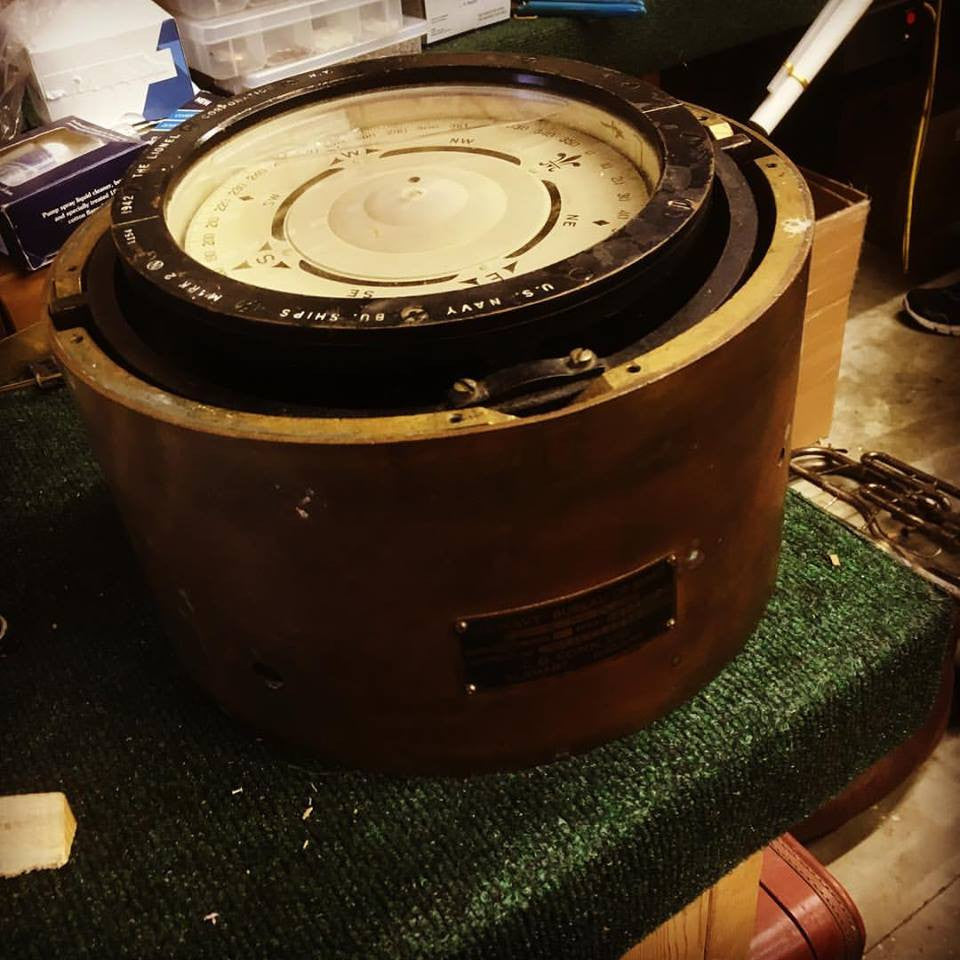
C. G. Conn's Wartime Contributions
During the war period from 1942 to 1945, Conn ceased all production of musical instruments for civilian use to manufacture brass components for compasses, altimeters, and other military instrumentation. That's why this particular ship compass, made by Conn and discovered in one of our travels through antique hordes is rather interesting.
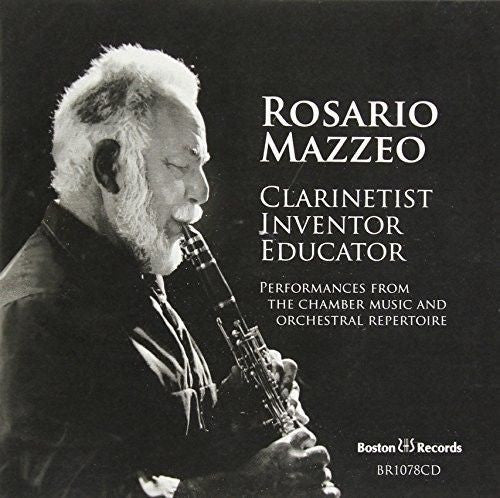
The Mysterious Mazzeo “System” Clarinet
Like all clarinets that differ from the bog-standard 17/6 Klose-Boehm clarinet, it landed in the clarinet world with a resounding “plop”. Manufactured by Selmer in their professional, intermediate (Signet) and student (Bundy) lines, Mazzeo instruments enjoyed a very brief surge of interest in the 1960s, only to largely disappear from sight.
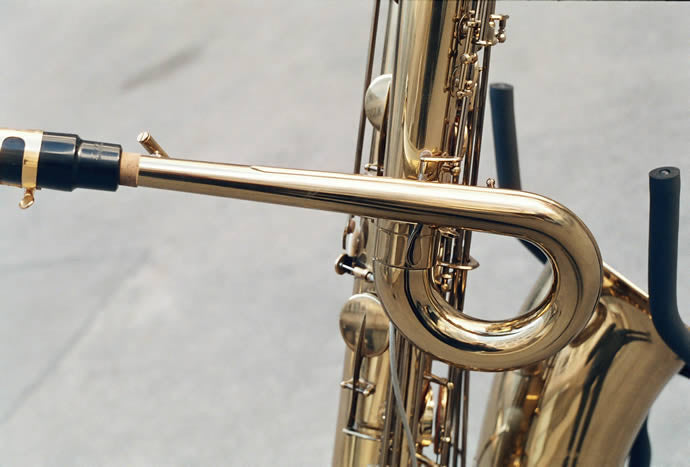
The bass saxophone is one of the largest members of the saxophone family—larger than the more commonly encountered baritone saxophone.
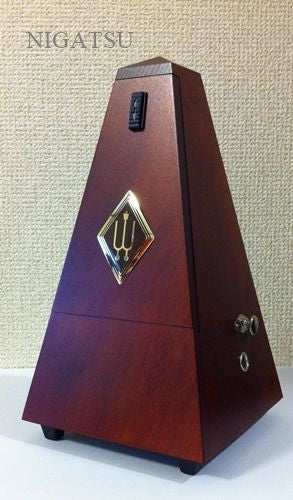
Musician 101: Developing an Internal Pulse
In this post we hope to give musicians some ideas/exercises to improve on internal pulse. Keeping a steady pulse is a fundamental skill for any musician. Even in different charts that encourage a flexible rhythm, such as a passage marked rubato, being able to maintain a steady pulse is essential for the music to work.
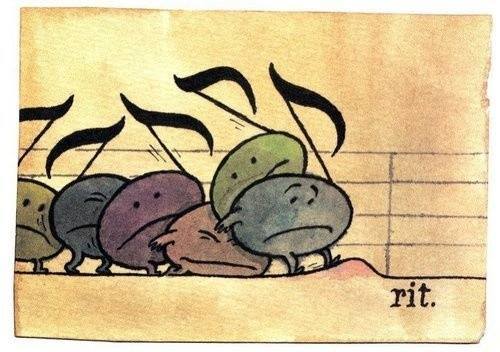
While some jazz musicians have called the concept of “swing” a subjective and elusive notion, they acknowledge that the concept is well-understood by experienced jazz musicians at a practical, intuitive level.
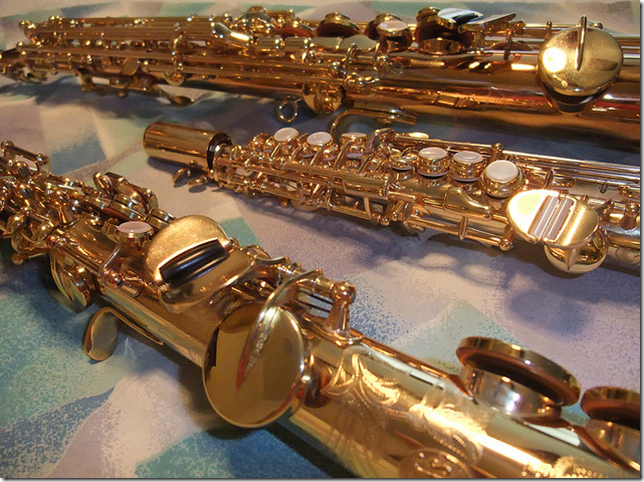
I have always purchased soprano saxes that give a hobbyist half a chance to play in tune. My favs to date are pictured below: Eppelsheim soprillo, Yanagisawa Elimona sopranino, and the Yanagisawa S992 soprano.