
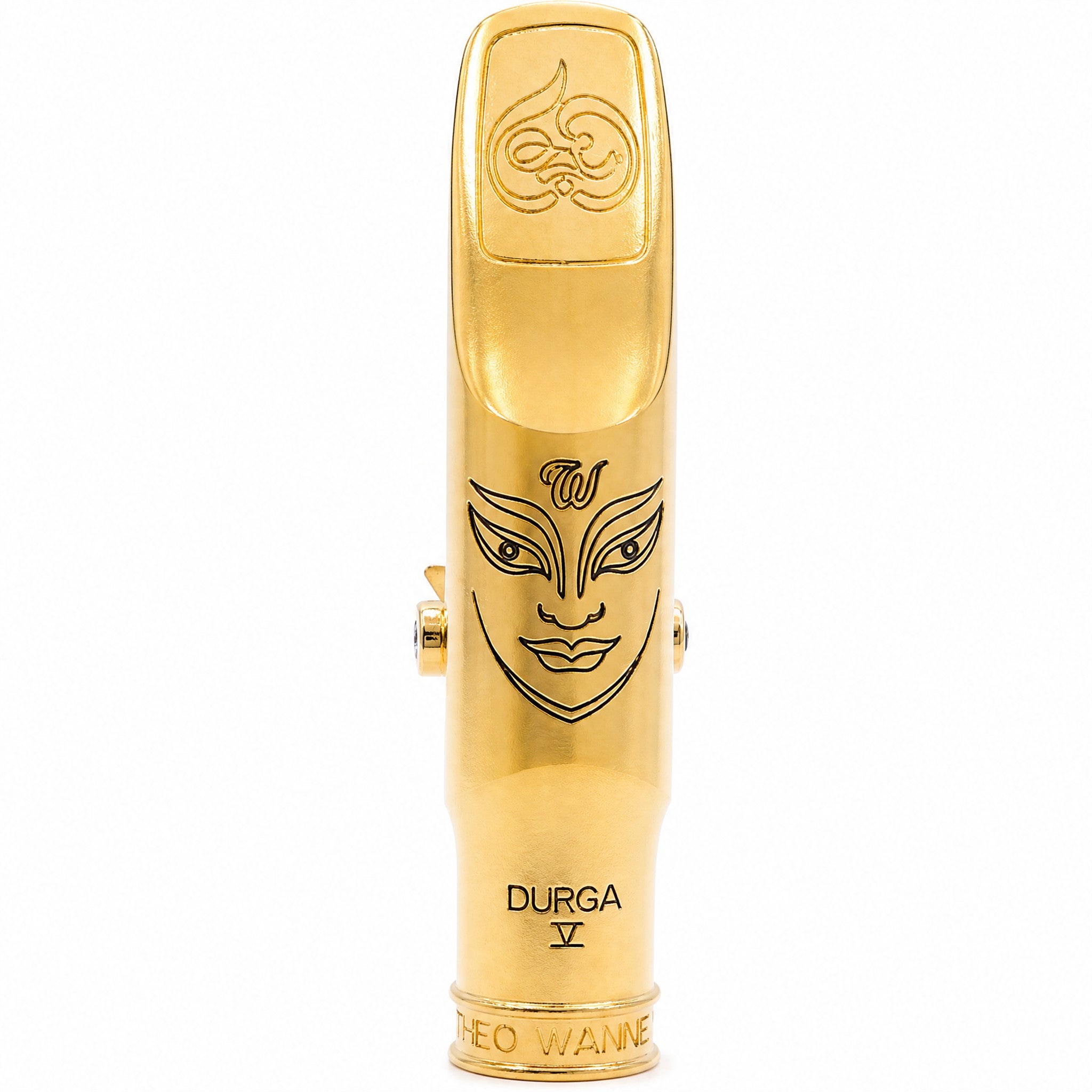
Pro Tips for Installing Bite Pads on Your Mouthpiece
Applying a bite pad (mouthpiece patch) correctly ensures it stays securely in place and protects your mouthpiece without slipping or peeling mid-performance. Here is the step-by-step installation method shared by Matt Ambrose of Theo Wanne Mouthpieces:
Step-by-Step Installation Guide
-
Clean the Bite Pad Area: Thoroughly clean the beak of the mouthpiece using isopropyl alcohol. If you are working on a metal or hard rubber (HR) mouthpiece, acetone is also safe to use—however, never use acetone on plastic mouthpieces.
-
Allow to Dry: Let the cleaning agent evaporate completely so the surface is 100% dry.
-
Pre-Clean the Beak with Tape: Apply a patch of clear packing tape (or equivalent strong tape) over the beak area and peel it off to pull away any remaining micro-dust or residue.
-
Peel the Pad Without Touching the Adhesive: Using a razor blade or a slim metal tool, carefully lift up one corner of the bite pad off its backing film. Avoid getting oils from your fingers or hands on the exposed adhesive.
-
Align and Apply: Holding the bite pad by the corner stuck to your metal tool, lower it onto the mouthpiece, lining it up precisely within the bite pad recess. If there is any tiny gap, bias the pad toward the back of the mouthpiece where it is less likely to come into contact with your mouth.
-
Burnish the Adhesive: Press and burnish the bite pad down firmly into the recess, working the adhesive into the surface to ensure a complete, smooth bond.
-
Let it Set: Once burnished, allow the mouthpiece to sit for at least 1 to 2 hours before playing to give the adhesive proper time to set up.
About Theo Wanne & Matt Ambrose
Theo Wanne Mouthpieces
Founded by master refacer and designer Theo Wanne, Theo Wanne Mouthpieces is globally renowned for producing some of the highest-quality saxophone mouthpieces available. By fusing classic vintage acoustic designs with modern CAD engineering and ultra-precise CNC machining, Theo Wanne crafts instruments and mouthpieces celebrated for their incredible dynamic range, tone, and pitch stability.
Matt Ambrose
Matt Ambrose serves as Chief Machinist and CAD Designer at Theo Wanne. Working alongside Theo to translate complex acoustic concepts into digital CAD models and high-precision toolpaths, Matt plays an instrumental role in maintaining the microscopic tolerances and legendary craftsmanship the brand is known for worldwide.
Shop our full line of Theo Wanne Saxophone Mouthpieces on our website.
Share:
How to Choose a Professional Saxophone: Yamaha vs. Yanagisawa vs. Selmer vs. Eastman
Rare Bottali Brevetto Tenor Rothphone in Silver Plate